How to Match Your Conference Table with the Room’s Design
Conference Table with the Room’s Design
Playing a central role in setting the tone for your space and impacting first impressions and collaboration, the conference table is no doubt the centerpiece of any meeting room. But how do you choose one that matches your room’s design? Well, this goes far beyond just looking at size and seating capacity. Here’s how to create that seemingly elusive harmony.
1. Consider the Room’s Style
Start by identifying the overall style of the room. From modern and traditional to industrial and minimalist, there are many room designs out there, with each style suggesting specific materials, shapes, and finishes. So, what is the style of your conference room?
- Modern rooms lean towards clean lines, glossy or matte finishes, and sleek materials like glass or metal.
- Traditional spaces might call for rich wood tones, ornate detailing, and classic shapes like oval or rectangular tables.
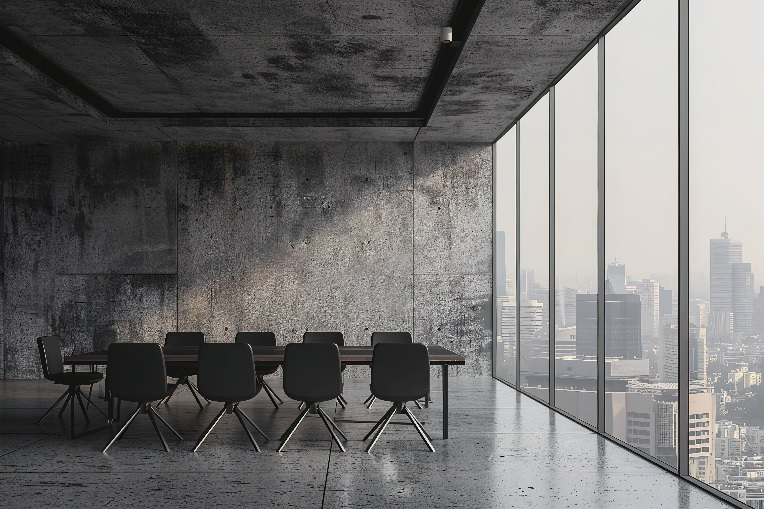
- Industrial designs often include raw or distressed wood with black metal accents.
- Minimalist rooms are best matched with simple designs in neutral colors, focusing on functionality and subtlety.
Aligning your table choice with the room’s existing aesthetic helps maintain a consistent design language.
2. Match Materials and Finishes
Take note of the materials already used on the floors, walls, and other furniture. If your room has hardwood flooring and wooden cabinetry, a wood-finished conference table in a similar tone can create a cohesive look. If the space uses brushed metal or chrome accents, you could opt for a table with similar metallic elements.
Note that matching doesn’t always mean identical, and complementary materials can create balance. For example, pairing a wooden table with fabric or leather chairs adds contrast while still keeping harmony in tone and texture.
3. Choose the Right Color Palette
It is important to stick to the room’s established color palette when selecting your conference table. Neutral tones, including grays, blacks, whites, and browns, are generally safe and professional, but don’t be afraid to introduce a bold color if it serves as an accent elsewhere in the room. For instance, a dark walnut table might look stunning in a room with soft gray walls and navy chairs. Or, a white high-gloss table could pop beautifully in a room with dark accents and natural light.
4. Pay Attention to Proportion and Scale
The table must be appropriately sized, not just for the number of people it accommodates, but also in relation to the room’s dimensions. A too large piece can overwhelm the space, while one that’s too small can look out of place and underutilized. Ensure sure there’s enough clearance (typically 3 feet or more) around the table for chairs and easy movement. Visually, the table should “fit” the room, not too imposing, but still commanding enough to serve as a focal point.
5. Incorporate Technology Seamlessly
Modern conference rooms technologies such as power outlets, USB ports, and video conferencing equipment are indispensable. Choose a table that accommodates these needs without disrupting the design. Tables with built-in cable management systems or tech modules can help maintain a clean and organized look, blending function with aesthetics.
6. Don’t Forget the Chairs
With the chairs around the table being just as important, they should complement both the table and the room in color, material and style. And while ergonomic comfort is key, visually mismatched or overly bulky chairs can throw off the balance of the room.
7. Add Personal and Branding Touches
Finally, consider how the table fits within your company’s brand identity. A startup might opt for a casual, collaborative table design with creative flair, while a law firm might choose something more formal and impressive. Incorporating subtle branding through color choices, materials or even embedded logos can help personalize the space in a positive way.