Common mistakes homeowners make when installing smoke detectors
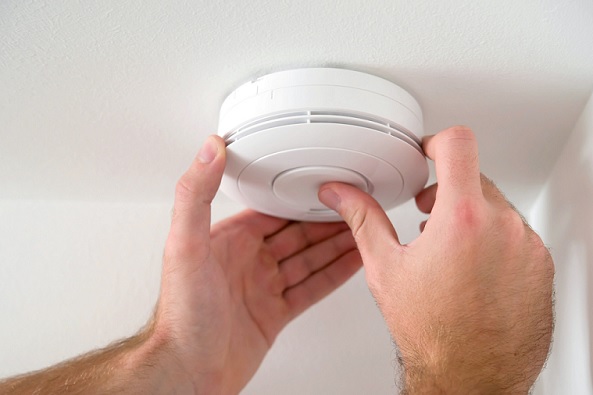
Installing smoke detectors is one of the simplest ways to protect a household, yet many people make small errors that reduce their effectiveness. Understanding these common mistakes can help ensure that every device operates reliably and provides early warning in emergencies.
Placing detectors in the wrong locations
One of the most frequent issues is incorrect placement. Smoke rises, so detectors should be installed on ceilings or high on walls. However, corners and areas near vents or fans can cause smoke to disperse before reaching the sensor.
Homeowners sometimes forget key areas such as hallways leading to bedrooms or basements. To maximize coverage, install units in every sleeping area and on each level of the home, including attics and garages if possible.
Ignoring compatibility and connectivity
When upgrading to smart devices like a HomeKit smoke detector, compatibility with existing systems is crucial. Some models require specific hubs or wireless configurations to function correctly. Failing to check these details can result in limited functionality or unreliable alerts.
For connected households, integration with other safety sensors, such as carbon monoxide or motion detectors, creates a more comprehensive safety network. Coordinating these systems ensures simultaneous alerts throughout the home.
Not testing or maintaining devices regularly
Even the best technology needs maintenance. Many homeowners install detectors and forget about them until the low-battery chirp begins. Regular testing, ideally once a month, verifies that alarms are working and that batteries or power sources remain active.
Dust and debris can also affect performance. Gently vacuum around vents or use a dry cloth to keep sensors clean. Replacing units every ten years helps maintain accuracy and reliability.
Overlooking environmental factors
Temperature, humidity, and airflow can influence sensor performance. Installing a detector too close to a kitchen or bathroom may lead to false alarms from cooking smoke or steam. Similarly, extremely cold or damp areas can damage internal components over time.
In these environments, consider specialized models designed for varied conditions, such as those combining smoke, carbon monoxide, and motion detection, like the Owl sensor. These multi-purpose devices help balance sensitivity with practicality.
Using the wrong type of detector
There are two main types of smoke detection technology: ionization and photoelectric. Ionization detectors respond quickly to flaming fires, while photoelectric models are better for smoldering fires. Choosing only one type can limit overall protection.
Many modern systems combine both technologies, offering faster detection across different fire scenarios. Homeowners should review product specifications to ensure they meet household needs and regulatory standards.
Failing to interconnect alarms
Interconnected alarms provide a crucial safety advantage. When one detects smoke, all units sound simultaneously. This feature ensures that everyone in the home hears the alert, even if the fire starts in a distant room or on another floor.
Wireless models make interconnection easier without complex wiring. Ensuring all devices communicate properly can greatly increase response time in emergencies.
Neglecting to plan for power outages
Homes that rely solely on hardwired detectors may lose protection during power outages if backup batteries are missing or expired. Every device should have a reliable secondary power source. Regular checks of battery levels can prevent unexpected failures.
Battery-powered or dual-mode detectors provide flexibility and continued safety even when electricity is unavailable. This small step prevents dangerous gaps in coverage.
Creating a safe and reliable setup
Installing smoke detectors is more than a simple home improvement task. It is a foundational part of household safety. By avoiding placement errors, maintaining regular testing, and choosing compatible devices, homeowners can build a system that truly protects their space and loved ones.