Winter and Joint Health: How to Keep Bones Strong and Pain-Free in the Cold Season?
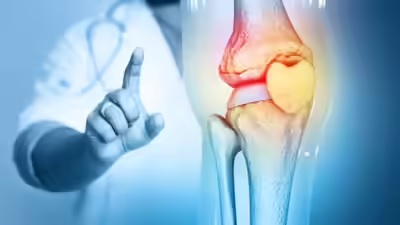
Keep your bones and joints healthy in winter by staying active, ensuring adequate Vitamin D intake, and using warming therapies. These steps are vital for reducing stiffness and cold-related pain.
As temperatures drop across India, complaints of joint stiffness, back pain, and limited mobility become more common. For people with arthritis, osteoporosis or old injuries, winter can feel especially harsh. The cold air makes muscles tighter, slows blood flow and increases inflammation in joints. However, with a few preventive measures and timely consultation from an orthopaedician near me you can protect your joints, maintain flexibility, and stay active throughout the season.
Why Joints Ache in Winter?
Cold weather causes muscles, ligaments and tendons to contract, reducing their elasticity. This makes joints stiffer and more prone to pain. Barometric pressure changes also play a role as the air pressure drops before a cold front, tissues expand, increasing pressure inside the joints and causing discomfort.
Low sunlight during winter leads to vitamin D deficiency, which weakens bones and slows calcium absorption. Reduced physical activity and poor posture while working from home can further strain the spine and knees, worsening pain.
For older adults and those with arthritis, even mild weather shifts can lead to flare-ups.
Common Orthopaedic Conditions That Flare Up During Winter
- Osteoarthritis: Age-related wear and tear of cartilage causing pain and stiffness, particularly in knees and hips.
- Rheumatoid Arthritis: An autoimmune condition where inflammation attacks the joints, worsening in cold weather.
- Osteoporosis: Loss of bone density that makes bones brittle and prone to fractures.
- Sciatica: Compression of the sciatic nerve causing sharp pain radiating from the lower back to the legs.
- Frozen Shoulder: Restricted shoulder movement due to inflammation and tightening of ligaments.
- Muscle Cramps: Often caused by dehydration or poor circulation during colder months.
How Weather and Lifestyle Impact Bone Health?
Many people reduce outdoor activity during winter, missing out on sunlight — the body’s main source of vitamin D. This deficiency affects calcium absorption, causing weaker bones. Low water intake, a common winter habit, also dehydrates joints, reducing lubrication and increasing friction.
In urban areas, pollution adds another challenge. Exposure to particulate matter (PM2.5) can trigger inflammatory responses, which aggravate arthritic pain. Additionally, sedentary indoor lifestyles lead to weight gain, placing extra pressure on weight-bearing joints like the knees and spine.
Signs You Should Consult an Orthopaedician
You should visit an orthopaedician near me if you experience:
- Persistent joint pain or stiffness for more than a week
- Visible swelling, redness or warmth around joints
- Morning stiffness that takes hours to ease
- Pain radiating to limbs or back
- Difficulty walking, bending or climbing stairs
- Sudden pain after a fall or physical strain
Delaying diagnosis can worsen mobility and may require surgical intervention later. A specialist, available on Apollo 24|7, can identify the root cause using X-rays, MRIs or bone density scans and suggest appropriate treatment.
How to Keep Your Joints Healthy During Winter?
Ways to keep your joints healthy during winter:
- Stay Physically Active: Regular stretching and moderate exercises like yoga or brisk walking keep joints flexible.
- Warm Up Before Exercise: Prepares muscles for activity and prevents injury.
- Maintain Healthy Weight: Extra kilos increase stress on knees and hips.
- Eat Bone-Friendly Foods: Include dairy, leafy greens, sesame seeds, and almonds for calcium.
- Get Enough Vitamin D: Spend time in sunlight or take supplements as prescribed.
- Stay Hydrated: Water keeps synovial fluid levels balanced for smooth joint movement.
- Use Heat Therapy: Warm compresses or hot showers soothe muscle tension.
- Practice Good Posture: Supports spine alignment and reduces pressure on lower back.
- Dress Appropriately: Keep knees, elbows, and shoulders covered to retain warmth.
- Avoid Prolonged Sitting: Take short breaks every 30–40 minutes to stretch.
Treatment and Rehabilitation
Treatment for joint pain varies depending on its cause. Orthopaedicians often prescribe anti-inflammatory medications, muscle relaxants, or joint injections for pain relief. Physiotherapy plays a major role in restoring movement and strengthening muscles.
For severe arthritis or degenerative joint conditions, minimally invasive procedures such as arthroscopy, joint resurfacing or replacement may be advised. Post-operative rehabilitation, guided by an orthopaedician in Kolkata, ensures faster recovery and improved long-term mobility.
In chronic conditions like rheumatoid arthritis, disease-modifying drugs (DMARDs) and lifestyle changes can prevent flare-ups and protect joint function.
Prognosis and Long-Term Care
Most joint problems improve significantly with consistent exercise, hydration, and medical supervision. Regular follow-ups allow doctors to monitor progress and adjust treatment plans as needed. For osteoporosis, bone density scans every one to two years help track bone strength and guide supplementation.
Joint-friendly exercise routines such as swimming, tai chi, and yoga can be continued throughout the year to maintain muscle tone and flexibility.
Winter also increases the risk of slips and falls, particularly among the elderly. Installing grab bars, using non-slip mats and wearing cushioned footwear can prevent fractures and serious injuries.
The Importance of Early Diagnosis
Many people delay seeing an orthopaedician, attributing stiffness or pain to “old age” or weather changes. However, early diagnosis of arthritis or osteoporosis can significantly slow disease progression and prevent permanent joint damage. Imaging tests, physical exams and blood markers can reveal issues long before symptoms become severe.
Timely intervention from medication to physiotherapy allows patients to maintain mobility and quality of life, even into older age.
Long-Term Bone and Joint Health Tips
- Prioritise weight-bearing exercises like walking or stair climbing to build bone density.
- Avoid smoking and excessive alcohol consumption — both reduce calcium absorption.
- Ensure balanced nutrition with adequate protein and vitamins C and K.
- Maintain consistent sleep and stress management to reduce inflammation.
- Schedule periodic consultations with an orthopaedician near me for preventive evaluation.
Conclusion
Your joints are fundamentally designed for continuous, fluid movement—they are complex hinges and cushions that enable your active life. Therefore, the best long-term strategy to stay active and pain-free is by diligently ensuring they remain flexible, strong, and well-nourished through diet and supplementation. Whether you are dealing with chronic, age-related arthritis or experiencing temporary, weather-induced stiffness, waiting to address the pain is counterproductive. Seeking professional care from an orthopedist or physical therapist makes all the difference, providing accurate diagnosis and tailored treatments to preserve your mobility and quality of life.