The Growing Importance of Personalized Senior Care
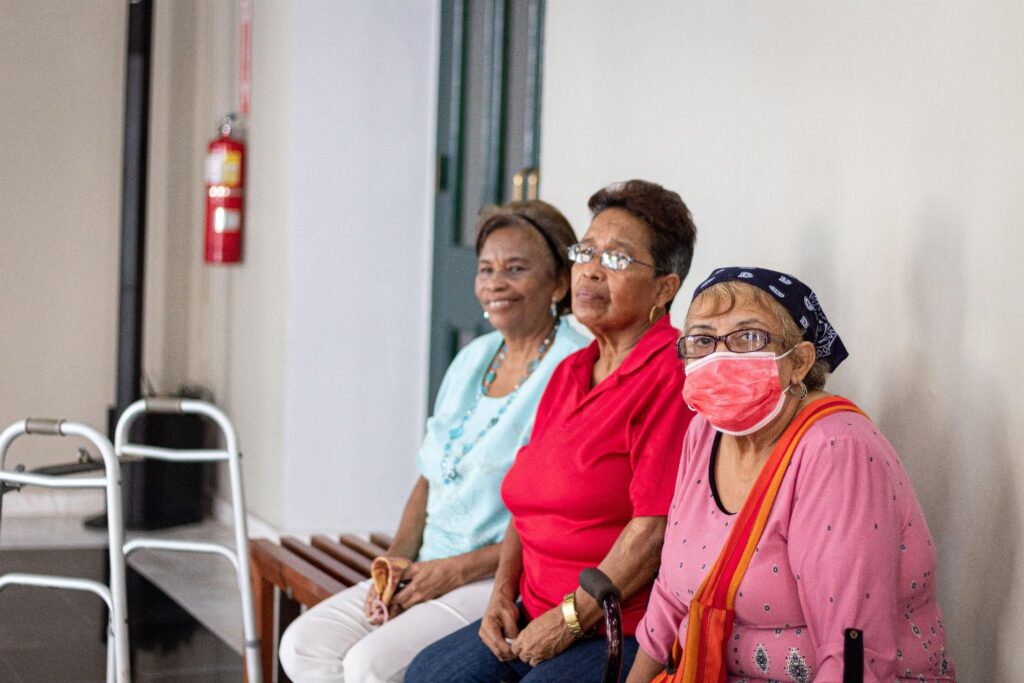
As the senior population continues to grow, so does the need for care that respects individual lifestyles, preferences, and health conditions. Traditional approaches to elder care often focused on standardized routines, but modern expectations have shifted toward more customized support. Families and caregivers are increasingly recognizing that personalized care plays a vital role in maintaining dignity, independence, and overall quality of life for older adults.
Understanding the Shift Toward Individualized Care
In the past, senior care models often emphasized efficiency and uniformity, sometimes at the expense of individual needs. While these systems provided basic support, they did not always account for personal preferences, emotional well-being, or unique health concerns. Today, there is a growing understanding that no two individuals age in the same way, making personalization an essential component of effective care.
This shift has been influenced by both advancements in healthcare and changing societal values. Families now expect care environments to provide more than just assistance with daily tasks. They seek settings that recognize their loved ones as individuals with distinct histories, interests, and needs, encouraging a more thoughtful and responsive approach to care.
Enhancing Quality of Life Through Personalization
Personalized senior care focuses on improving quality of life rather than simply addressing medical needs. This approach considers everything from daily routines and dietary preferences to social engagement and mental stimulation. By tailoring care plans to each individual, caregivers can create experiences that feel familiar and meaningful.
When seniors feel understood and valued, they are more likely to remain engaged and emotionally fulfilled. This sense of connection can have a profound impact on mental health, reducing feelings of isolation and promoting a more positive outlook. Personalization allows seniors to maintain a sense of identity, which is often a key factor in overall well-being. In some cases, supportive lifestyle habits and wellness practices may also include the use of an ashwagandha supplement to help promote relaxation and stress balance as part of a broader approach to mental well-being.
Supporting Independence While Providing Care
One of the primary goals of personalized care is to support independence while ensuring safety and comfort. Many seniors want to maintain control over their daily lives, even as they require additional assistance. Customized care plans make it possible to strike this balance by offering support where needed while encouraging autonomy.
In a senior living community, personalized care can be integrated into everyday routines, allowing residents to make choices about how they spend their time. This flexibility empowers seniors to remain active participants in their own lives rather than feeling restricted by rigid schedules. As a result, they often experience greater satisfaction and confidence.
Addressing Complex Health Needs
As individuals age, their healthcare needs often become more complex and require careful management. Personalized care allows providers to address these challenges with greater precision and attention. Instead of applying a one-size-fits-all approach, caregivers can focus on specific conditions, preferences, and potential risks.
This level of attention helps ensure that seniors receive the right type of support at the right time. It also allows for better communication between caregivers, healthcare providers, and family members. By working together, they can create a comprehensive care plan that adapts as the individual’s needs change.
The Role of Social and Emotional Connection
Personalized care goes beyond physical health to include emotional and social well-being. Seniors who feel connected to others are more likely to experience a higher quality of life. Care environments that prioritize relationship-building and meaningful interaction can make a significant difference in how individuals feel on a daily basis.
Tailored activities, group programs, and one-on-one engagement opportunities help foster a sense of belonging. When seniors are encouraged to participate in activities that align with their interests, they are more likely to remain engaged and fulfilled. This approach helps combat loneliness and strengthens emotional resilience.
Empowering Families Through Transparency and Collaboration
Families play a crucial role in the care of their loved ones, and personalized care models often emphasize collaboration. Open communication between caregivers and family members helps ensure that everyone is aligned in their approach. This transparency builds trust and allows families to feel confident in the care being provided.
By involving families in the planning process, care providers can gain valuable insights into the individual’s preferences and history. This information helps create a more accurate and compassionate care plan. It also reassures families that their loved ones are receiving attention that reflects their unique needs and values.
Conclusion
The growing importance of personalized senior care reflects a broader understanding of what it means to age with dignity and purpose. By focusing on individual needs, preferences, and experiences, this approach enhances both quality of life and overall well-being. As expectations continue to evolve, personalized care will remain a vital part of creating supportive and enriching environments for seniors.