10 Most Common Causes Of Car Accidents In New York City
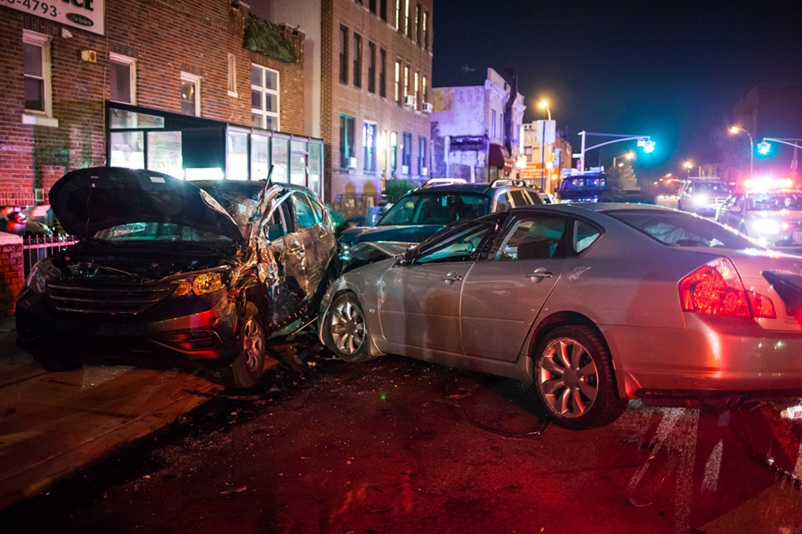
New York City traffic feels routine until a crash tears your day apart. One red light run. One distracted driver. One missed signal. In a second, you face pain, fear, and bills you never planned for. This guide explains the 10 most common causes of car accidents in New York City so you can see what really puts you at risk. You learn what behaviors to avoid, what dangers to watch for, and how other drivers often cause wrecks you cannot prevent. You also see how the law views these crashes and what details matter if you get hurt. Nothing here replaces medical or legal help. Instead, it gives you clear facts you can use today. If you already suffered a crash, this information can help you ask better questions when you speak with a lawyer or visit 24injurylaw.com.
How common are crashes in New York City
New York City streets stay crowded day and night. Cars, buses, trucks, bikes, and people all fight for space. That pressure leads to mistakes and crashes. You share the road with drivers who rush, take risks, or lose focus.
The New York City Department of Transportation reports thousands of traffic injuries every year. You can see current city crash data on the NYC Vision Zero data page. Numbers change each month. The causes stay almost the same. The same unsafe choices keep hurting people again and again.
You cannot control every driver. You can control how you drive and how you react. The causes below show where danger often starts.
Most common crash causes at a glance
Frequent Causes Of NYC Crashes And How You Can Respond
| Cause | Common Result | What You Can Do |
|---|---|---|
| Distracted driving | Rear-end and side-impact crashes | Put phone away. Stop to handle calls or texts. |
| Speeding | High force impacts with severe harm | Follow posted limits. Slow before turns and crossings. |
| Aggressive driving | Road rage, sideswipes, loss of control | Leave space. Do not engage angry drivers. |
| Failure to yield | Crashes with walkers and cyclists | Yield at crosswalks and turns. Look twice. |
| Red light and stop sign running | High speed T-bone crashes | Stop fully. Count a pause before moving. |
| Impaired driving | Nighttime and weekend crashes | Use a ride service or taxi after drinking or drugs. |
| Fatigued driving | Drifting, slow reaction, rear-end crashes | Rest before long trips. Pull over if you feel tired. |
| Bad weather | Skids, spinouts, multi-car pileups | Slow down. Increase following distance. |
| Poor road or vehicle condition | Tire damage, loss of control | Report hazards. Keep your car in safe condition. |
| Inexperience | Wrong turns, misjudged gaps | Practice safe habits. Avoid distractions. |
1. Distracted driving
Phone use is the most obvious danger. Texting, scrolling, or using apps takes your eyes, hands, and thoughts off the road. Eating, reaching into a bag, or talking to passengers also steals attention.
On a crowded New York street, one second of lost focus can mean a rear-end crash at a crosswalk or a sideswipe near a bike lane. You protect yourself by:
- Silencing your phone and putting it out of reach
- Setting GPS and music before you move
- Pulling over if you must handle a call or message
2. Speeding
Speeding gives you less time to react and makes every impact harder. New York City has many slow zones for a reason. A crash at 40 miles per hour hits much harder than one at 25.
The National Highway Traffic Safety Administration explains how speed raises crash risk on its speeding safety page. On city streets, even a small increase in speed can mean the difference between a close call and a life changing hit.
- Watch for school zones and slow zones
- Slow before curves, hills, and intersections
- Leave early so you do not feel rushed
3. Aggressive driving
Tailgating, weaving through lanes, and cutting people off all raise the chance of a crash. Anger behind the wheel spreads. One rude move can trigger another and lead to road rage.
You reduce danger when you:
- Leave a safe gap between you and the car ahead
- Signal and change lanes in a calm way
- Refuse to race or respond to rude drivers
4. Failure to yield
Many New York crashes happen when drivers do not yield to people in crosswalks or to oncoming cars while turning. Left turns across traffic and turns at busy corners are especially risky.
To lower your risk:
- Stop for people in crosswalks, even if they start late
- Check both sides for bikes before turning
- Wait for a clear gap instead of forcing your way through
5. Running red lights and stop signs
Rushing through a yellow or rolling a stop sign can cause T-bone crashes that crush doors and send people to the hospital. Intersections concentrate risk. Many drivers try to beat the light and misjudge timing.
You protect yourself if you:
- Come to a full stop at every stop sign
- Pause and look for late cross traffic even when your light turns green
- Refuse to speed up to beat a yellow light
6. Impaired driving
Alcohol, drugs, and some medicines change how fast you react and how you judge distance. Nighttime and weekend crashes often involve an impaired driver.
Safe choices include:
- Using a taxi, rideshare, or public transit after drinking
- Checking medicine labels for driving warnings
- Taking keys from someone who should not drive
7. Fatigued or drowsy driving
Driving tired feels harmless. It is not. Sleep loss slows your reaction and can cause you to nod off for a few seconds. On a bridge or in a tunnel, that can be deadly.
You lower the risk when you:
- Sleep enough before long drives
- Share driving on long trips
- Pull over and rest if you catch yourself drifting
8. Bad weather and poor visibility
Rain, snow, ice, fog, and glare all reduce control and sight. Puddles can hide potholes. Ice can hide under slush. Sunlight can blind you as you turn a corner.
Protect yourself by:
- Slowing down and increasing following distance
- Using headlights in rain and low light
- Avoiding sudden braking or sharp turns on slick roads
9. Poor road or vehicle condition
Potholes, broken signals, and missing signs add risk. So do worn tires, bad brakes, and broken lights on your own car. A small defect can cause a crash when traffic is tight.
You can:
- Report unsafe road conditions to 311
- Check tires, brakes, and lights often
- Fix small problems before they grow
10. Inexperienced driving
New drivers may misjudge gaps, turn too fast, or freeze in heavy traffic. City driving demands quick choices and steady focus. Inexperience makes that harder.
If you are new to driving in New York City, you can:
- Practice on quieter streets before busy routes
- Avoid distractions and extra passengers
- Take extra time for turns and lane changes
What you can do after a crash
If a crash already happened, you still have control over your next steps. You can:
- Get medical care, even if you feel fine at first
- Call the police and get an accident report number
- Take photos of damage, injuries, and the scene
- Exchange information with other drivers and witnesses
- Speak with a lawyer if you have questions about your rights
You cannot erase a crash. You can learn from it. You can also use these common causes as a checklist each time you drive. If you remove distraction, slow down, and show patience, you protect yourself and the people you care about on New York City streets.