Visual Inspection Systems: The Future of Automated Quality Control
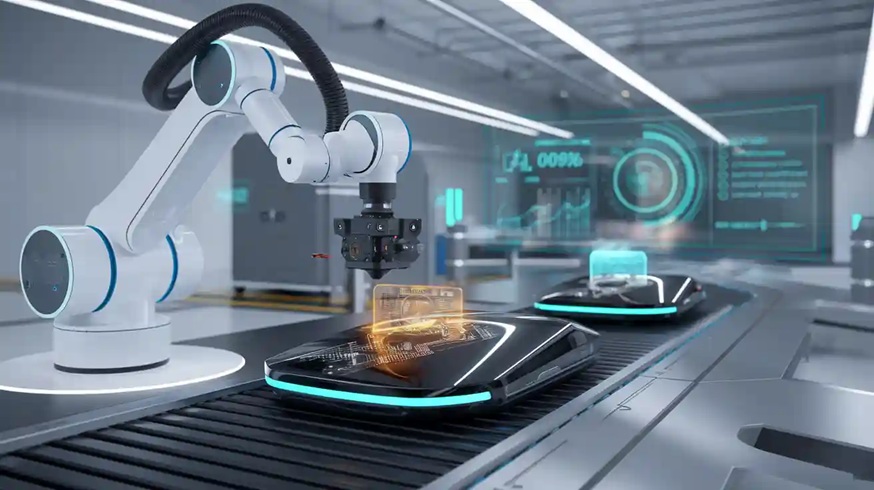
In today’s precision-driven manufacturing world, visual inspection systems are redefining how industries manage quality control, efficiency, and reliability. From automotive and electronics to pharmaceuticals and packaging, these intelligent systems leverage advanced optics, artificial intelligence, and computer vision to detect even the most minute deviations that the human eye could easily overlook. As industries continue to digitize operations and demand higher accuracy at faster speeds, visual inspection systems have become an indispensable part of the modern production line.
Understanding Visual Inspection Systems
At their core, visual inspection systems are automated solutions designed to inspect, measure, and analyze products or components visually. Unlike manual inspection, which relies on human observation, these systems use high-resolution cameras, sensors, and image processing algorithms to identify defects in real time. They capture images of the product, process them through sophisticated software, and then classify whether each item meets the defined quality standards.
Visual inspection can detect:
- Surface defects (scratches, dents, cracks)
- Dimensional inaccuracies
- Color variations
- Label misalignment
- Packaging errors
- Assembly inconsistencies
This level of precision ensures that only flawless products reach the customer, minimizing recalls, waste, and rework.
How Visual Inspection Systems Work
A visual inspection system integrates multiple technologies to replicate — and often surpass — human visual capabilities. The process generally involves the following steps:
- Image Acquisition – High-speed cameras and lighting capture clear images of the product as it moves along the production line.
- Image Processing – The system’s software analyzes these images using algorithms that detect patterns, edges, and anomalies.
- Decision-Making – Based on predefined parameters, the software decides whether the product passes or fails inspection.
- Feedback Loop – Data from inspections is fed back into the system to fine-tune accuracy and optimize future performance.
Some advanced systems now integrate machine learning and artificial intelligence, enabling continuous improvement as they process more data. Over time, these systems learn to identify subtle variations that might initially go unnoticed — making them smarter and more adaptable.
Why Industries Are Shifting Toward Visual Inspection
The transition from manual to automated inspection is not just about speed — it’s about consistency and precision. Human inspectors, no matter how skilled, are subject to fatigue, subjective judgment, and environmental conditions. Visual inspection systems, on the other hand, operate with unmatched reliability and accuracy, 24/7.
Key advantages include:
- Enhanced Quality Control – Detects microscopic defects that human eyes can’t see.
- Increased Throughput – Speeds up inspection cycles without compromising accuracy.
- Cost Savings – Reduces labor costs and prevents costly product recalls.
- Data-Driven Insights – Provides valuable data analytics for process optimization.
- Regulatory Compliance – Ensures standards and certifications are consistently met.
These benefits have made visual inspection systems a vital investment for industries looking to scale efficiently while maintaining superior quality.
Applications Across Industries
The versatility of visual inspection technology means it’s being rapidly adopted across a wide spectrum of industries:
- Automotive Manufacturing – Ensures precision in assembly, paint, and component integrity.
- Electronics – Inspects microchips, solder joints, and circuit boards for defects.
- Pharmaceuticals – Detects labeling errors, packaging integrity, and contamination.
- Food & Beverage – Monitors fill levels, seal integrity, and expiration label accuracy.
- Aerospace – Examines structural components with extreme precision to meet safety regulations.
- Textiles and Printing – Ensures color uniformity and pattern accuracy.
Each of these sectors benefits from tailored inspection solutions designed to meet their specific operational requirements.
Integrating Visual Inspection into Smart Manufacturing
As factories evolve toward Industry 4.0, visual inspection systems are playing a crucial role in enabling smart manufacturing environments. When integrated with IoT sensors and cloud platforms, these systems can share inspection data in real time across the enterprise. This connectivity allows for predictive maintenance, remote monitoring, and continuous improvement through AI analytics.
Imagine a production line where the inspection system not only detects defects but also automatically adjusts machinery parameters to correct them. This closed-loop feedback is the future of manufacturing — one where every process is self-optimizing, efficient, and intelligent.
Choosing the Right Visual Inspection System
When investing in a visual inspection solution, it’s essential to consider your specific production environment and quality objectives. Key factors to evaluate include:
- Camera Resolution and Speed – Higher resolution ensures more detailed inspection, while faster frame rates support high-volume production.
- Lighting Configuration – Proper lighting eliminates shadows and glare for accurate image capture.
- Software Flexibility – Look for systems that support custom algorithm development or AI-based learning.
- Integration Capabilities – Ensure compatibility with your existing production line and ERP systems.
- Scalability – Choose a solution that can evolve as your operations expand.
A well-designed system should seamlessly fit into your workflow while providing actionable data to improve production efficiency.
The Role of Artificial Intelligence and Deep Learning
AI-powered visual inspection systems are revolutionizing how defects are detected and categorized. Traditional rule-based inspection relies on rigid algorithms, but AI-driven systems use deep learning models that can identify complex patterns without explicit programming. These models are trained on thousands of product images — both flawless and defective — enabling them to recognize nuanced irregularities.
This technology dramatically reduces false positives, increases accuracy, and adapts to new defect types without manual intervention. As AI continues to evolve, visual inspection will become even more autonomous, accurate, and capable of self-learning.
The Future of Visual Inspection Systems
Looking ahead, the future of visual inspection is intertwined with automation, robotics, and data intelligence. Emerging innovations include:
- Edge AI inspection systems that analyze data locally for ultra-low latency.
- 3D vision inspection, which evaluates depth and geometry for more complex assessments.
- Cloud-connected analytics, allowing global quality teams to monitor operations remotely.
These advancements will not only improve inspection precision but also provide manufacturers with deep insights into production trends, equipment performance, and overall efficiency.
Final Thoughts
In a world where quality defines brand reputation, visual inspection systems have emerged as the silent guardians of manufacturing excellence. They bridge the gap between human intuition and machine precision, ensuring every product meets exacting standards before it reaches the market.