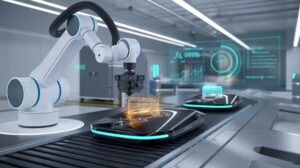
The Future of Elevators’ Access Solutions in Buildings
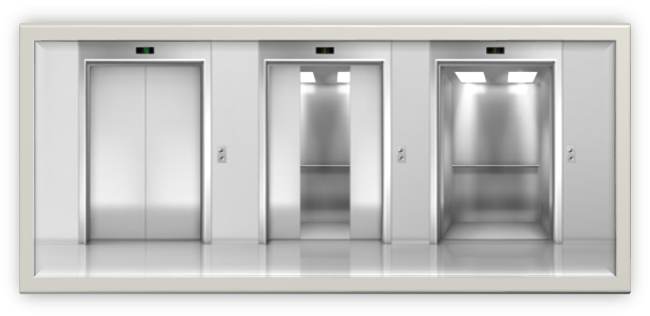
Access inside modern buildings must be controlled with precision. Elevators now play a central role in this process. They no longer move people between floors without restriction. Instead, they work with entry systems to manage where people can go and when they can go there.
This shift reflects how buildings in the UAE are designed today. Security, efficiency, and user comfort must work together.
Elevators Are Now Part of the Access System
In earlier buildings, elevators operated independently. Anyone inside could select any floor. That approach created gaps in security and movement control. Today, elevators work alongside door access systems and entry points. Credentials such as access cards or approved digital permissions determine travel rights.
Readers can be precisely positioned at primary points such as entry portals, turnstiles, or lift call stations. Once access is approved, permitted floors become seamlessly selectable. This reduces risk, removes uncertainty, and reinforces restricted zones. It also creates a smooth, structured system that supports steady building flow.
These integrated access solutions connect elevators with the wider access environment. Building teams manage entry and vertical movement through a single coordinated system. This improves control without adding complexity.
Floor Access Can Be Controlled with Accuracy
Floor-level access control improves protection across different building types. Office towers can separate tenants. Residential buildings can protect private levels. Mixed-use properties can separate public and private zones.
This control happens automatically after identity verification. The elevator responds based on approved permissions. Unauthorized floor selection is prevented. This strengthens safety while keeping the experience simple for authorized users.
Turnstiles can also work with elevator access. When connected, they create an organized entry sequence. Each stage supports secure movement deeper into the building.
Destination-Based Operation Improves Flow
Destination control systems improve how elevators handle demand. Instead of selecting floors inside the cabin, users confirm their destination earlier in the process. The system assigns the most suitable elevator based on traffic and access permissions.
This reduces unnecessary stops and improves travel efficiency. Passengers reach their floors faster. Waiting times remain more consistent during busy periods.
Organized movement also supports better equipment performance. Elevators operate in a more efficient pattern. This reduces mechanical strain and supports long-term reliability.
Access Management Software Supports Building Operations
Access permissions must remain flexible. Management software allows building teams to adjust access settings as needed. New users can be added. Permissions can be modified or removed when required.
This control helps building operators respond to changing tenant needs. It also supports clear oversight of building access activity.
Operating panels and access interfaces are designed to remain clear and easy to understand. This supports smooth daily use while maintaining a professional appearance.
Connectivity Strengthens System Performance
Connectivity allows elevators to exchange information with building platforms. This improves coordination between access control and elevator operation. Elevators can respond immediately after access approval.
Application interfaces allow elevator systems to connect with management platforms. This allows elevator access to function as part of a wider digital infrastructure.
Connected systems also support equipment monitoring. Maintenance teams can review system data and address issues early. This helps prevent disruptions and supports reliable operation.
Mobile Access and Touchless Interaction Are Increasing
Mobile-based access is becoming more common in modern buildings. Approved users can interact with elevator systems using secure digital credentials. This improves convenience and reduces reliance on physical access cards.
Touchless interaction also improves accessibility and hygiene. Automated access reduces repeated physical contact with shared surfaces. This supports modern building expectations.
These integrated access solutions help buildings operate efficiently while maintaining strong control over movement.
Access Solutions Will Continue to Support Future Buildings
Buildings must remain ready for future changes. Access systems must allow expansion and adjustment without major disruption. Flexible elevator access supports this requirement.
The future of elevators’ access solutions will focus on integration, security, and operational clarity. Elevators will continue to function as controlled access points within connected building environments. This approach supports elevator safety, improves movement, and protects long-term building value.