Innovations in Electrical Cables Driving Safer and Smarter Infrastructure
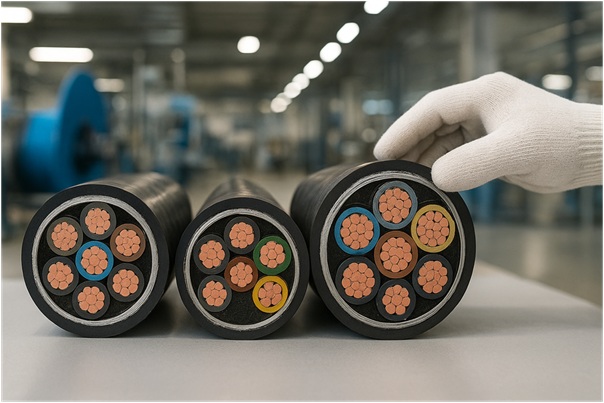
In today’s rapidly evolving infrastructure landscape, electrical cables play a critical role in ensuring both safety and efficiency. Selecting the right provider is essential for businesses and projects that prioritize reliability.
Trusted electrical cable suppliers deliver not only high-quality products but also the expertise required to support modern infrastructure demands. From advanced materials to intelligent monitoring systems, innovations in electrical cables are transforming the way we design, build, and maintain electrical networks.
Advanced Materials for Enhanced Safety
One of the most significant trends in electrical cable technology is the use of advanced materials that enhance safety and longevity. Modern insulation compounds, such as cross-linked polyethylene (XLPE) and flame-retardant thermoplastics, improve resistance to heat, moisture, and fire. These materials are particularly valuable in industrial and commercial applications, where cables must withstand high temperatures and potential exposure to hazardous conditions.
Additionally, improvements in conductor materials, including high-purity copper and aluminum alloys, optimize current-carrying capacity and reduce energy loss. These developments minimize the risk of overheating and electrical faults, ensuring a safer environment for both residential and commercial installations. Electrical cable manufacturers now invest heavily in research to produce materials that meet increasingly stringent international safety standards.
Smart Cables with Integrated Monitoring
Beyond safety, electrical cables are becoming smarter. Embedded sensors and fiber-optic technology allow real-time monitoring of temperature, current, and strain along the cable. This innovation enables early detection of potential failures, preventing costly downtime and reducing maintenance expenses.
Smart cables are particularly useful in critical infrastructure such as hospitals, data centers, and power grids. By providing continuous performance data, they allow operators to respond proactively to potential issues rather than reactively addressing breakdowns. Integration with building management systems or IoT platforms ensures that infrastructure can be monitored remotely, enhancing both operational efficiency and safety.
Fire-Resistant and Low-Smoke Designs
Fire safety remains a paramount concern in building design, prompting the development of low-smoke, zero-halogen (LSZH) cables. These cables emit minimal toxic fumes and smoke in the event of a fire, protecting both occupants and sensitive equipment. LSZH cables are increasingly mandated in high-occupancy buildings, public transport systems, and commercial complexes where evacuation safety is critical.
Fire-resistant cables also feature enhanced thermal stability, ensuring that circuits remain operational even under high temperatures. By combining fire resistance with durable insulation, these cables help maintain critical power and communication systems during emergencies, minimizing the risk of total infrastructure failure.
Flexible and Lightweight Cables for Modern Installations
Modern construction and retrofitting projects demand cables that are not only safe but also easy to install. Flexible, lightweight cables simplify routing through complex layouts and reduce installation time. Innovations in polymer technology allow cables to maintain flexibility without compromising insulation integrity, making them ideal for confined spaces, modular buildings, and dynamic environments where cables may be frequently moved or adjusted.
This trend also supports sustainability initiatives. Lighter cables reduce the environmental impact of transport and installation while allowing for more efficient use of raw materials. Manufacturers now focus on balancing flexibility, strength, and electrical performance to meet the needs of contemporary infrastructure projects.
Energy-Efficient and High-Capacity Solutions
As energy demands rise, electrical cable technology is evolving to support higher capacities while maintaining efficiency. High-voltage and high-capacity cables are designed to reduce power losses over long distances, improving overall energy distribution efficiency.
In renewable energy applications, such as solar farms and wind turbines, specialized cables with high current-carrying capacity and superior weather resistance are critical. These cables ensure consistent energy transmission while withstanding environmental stressors such as UV radiation, moisture, and temperature fluctuations. Electrical cable suppliers increasingly focus on delivering products that support both traditional and renewable energy infrastructures, contributing to sustainable and resilient energy networks.
Conclusion: Future-Ready Electrical Infrastructure
The evolution of electrical cables is driving safer, smarter, and more efficient infrastructure. From advanced materials and fire-resistant designs to smart monitoring systems and flexible installation solutions, modern cables are tailored to meet the complex demands of contemporary buildings, industrial facilities, and energy networks.
By partnering with reputable electrical cable suppliers, engineers, contractors, and facility managers can access the latest innovations, ensuring that every project benefits from high-quality, durable, and intelligent cable solutions. Investing in advanced electrical cables is not just a matter of compliance—it’s a strategic decision that enhances safety, reduces maintenance costs, and prepares infrastructure for the challenges of tomorrow.