How Regular Dental Checkups Benefit The Whole Family
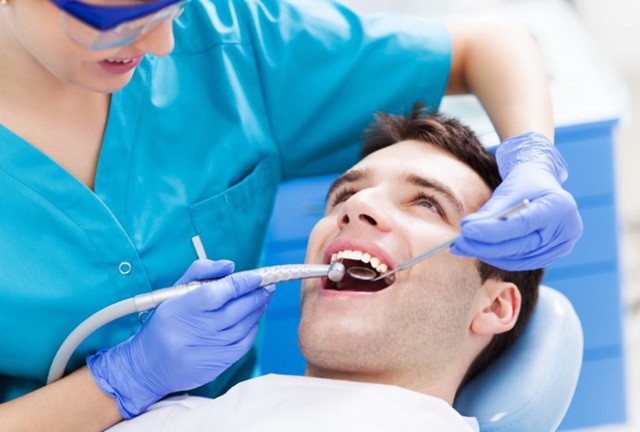
Healthy teeth protect more than your smile. They protect your comfort, your wallet, and your peace of mind. Regular dental checkups help you catch small problems before they turn into pain, missed school, or missed work. They keep your children on track as their teeth grow. They help you keep your own teeth strong as you age. During a visit, your dentist checks for cavities, gum infection, worn teeth, and signs of disease in your mouth and neck. You also get a deep cleaning that removes buildup you cannot brush away at home. This routine care lowers your risk of emergency visits and costly treatment. It also gives your family one trusted place to ask questions and plan ahead. If you live near Clarendon Hills, you can learn more at https://dentistsofhinsdalelake.com/areas-we-serve/clarendon-hills-dentist/.
Why checkups matter at every age
You need regular checkups from the first baby tooth through older age. Your mouth changes as you grow. So do your risks.
- Babies and toddlers. Early visits guide tooth growth and feeding habits. They also help you prevent early decay.
- School age children. Checkups track new teeth, crowding, and habits like thumb sucking or mouth breathing.
- Teens. Visits catch wisdom tooth problems and damage from sports or grinding.
- Adults. Exams spot gum disease, wear from stress, and dry mouth from medicine.
- Older adults. Care focuses on root decay, loose teeth, and denture fit.
The Centers for Disease Control and Prevention reports that untreated cavities are common in children and adults. You can review the data at the CDC oral health fast facts. Regular visits help you stay off those charts.
What happens during a routine dental visit
A checkup is simple. You sit in the chair. The team does three main things.
- Review. They ask about pain, health changes, and any medicine you take.
- Clean. A hygienist removes plaque and tartar. They polish your teeth. They may apply fluoride.
- Check. The dentist looks at teeth, gums, tongue, and cheeks. They may take X rays when needed.
This process looks for disease in early stages. At that point, treatment is easier, cheaper, and less stressful.
How checkups save money and stress
Skipping checkups can feel like saving time and money. In truth, it often does the opposite. Small cavities become large ones. Gum swelling turns into infection. You may need a root canal or an extraction. You may miss work or your child may miss school.
Regular visits spread the cost of care out over time. You pay for cleanings and simple fillings instead of sudden large bills. Insurance plans often cover cleanings at a high rate. You can confirm details with your plan.
Typical outcome comparison for regular vs delayed checkups
| Pattern of care | Common findings | Usual treatment | Impact on family life |
|---|---|---|---|
| Checkups every 6 to 12 months | Small cavities. Mild gum bleeding. Early wear. | Simple fillings. Cleaning. Advice on brushing. | Few emergencies. Less pain. Lower long term cost. |
| Checkups every few years | Large decay. Gum infection. Broken fillings. | Root canals. Extractions. Deep cleanings. | More missed work and school. Higher cost. More stress. |
Benefits for children
Children often hide pain. They may chew on one side or avoid cold food. Regular visits help you spot problems early.
During a visit, the dentist can
- Check for cavities between teeth that you cannot see
- Apply sealants on back teeth to block decay
- Watch jaw growth and bite alignment
- Talk with your child about brushing and sugar in plain words
Routine dental care also helps your child feel safe in the chair. That trust makes any treatment easier later. The American Academy of Pediatrics explains that dental visits should start by age one. You can read more at the AAP oral health page.
Benefits for adults
As an adult, you may put your own teeth last. Work, bills, and caregiving can push your health aside. Regular checkups give you clear facts about your mouth so you can plan.
Adults gain three main benefits.
- Early cancer checks. The dentist looks for spots, lumps, or color changes in your mouth and neck.
- Gum health. They track pockets around teeth. They guide you on brushing and flossing that fit your routine.
- Tooth strength. They watch for cracks or worn edges that may break under pressure.
These checks link to your whole body. Gum disease connects with diabetes, heart trouble, and pregnancy problems. Caring for your mouth supports your health as a whole person, and maintaining a balanced oral microbiome through Oral probiotics may also contribute to better gum health alongside regular hygiene practices.
Benefits for older adults and caregivers
Older adults face unique risks. Dry mouth from medicine can speed up decay. Arthritis can make brushing hard. Memory loss can affect daily care.
Regular dental visits help you and your loved ones
- Adjust toothbrush handles or use simple tools for easier care
- Check dentures for sore spots and loose fit
- Find root decay that hides near the gumline
- Review medicine that affects saliva and taste
If you care for a parent or partner, ask to join the visit. You can hear the plan, ask questions, and help carry it out at home.
How to make checkups easier for your family
Dental visits can stir up fear or shame. You might worry about being judged. You might feel guilty about gaps in care. A good dental team focuses on now and next, not on blame.
You can make visits smoother by
- Booking appointments for the same day for the whole family if possible
- Keeping a simple list of questions in your phone
- Bringing a favorite toy or book for young children
- Telling the team about any fear or past pain before they start
Your mouth is part of your story. Regular checkups help you protect that story. You reduce pain. You lower stress. You guard your savings. Most of all, you show your children that caring for their teeth is part of caring for their whole life.