How Medical Detox Can Help You Recover from Adderall Abuse
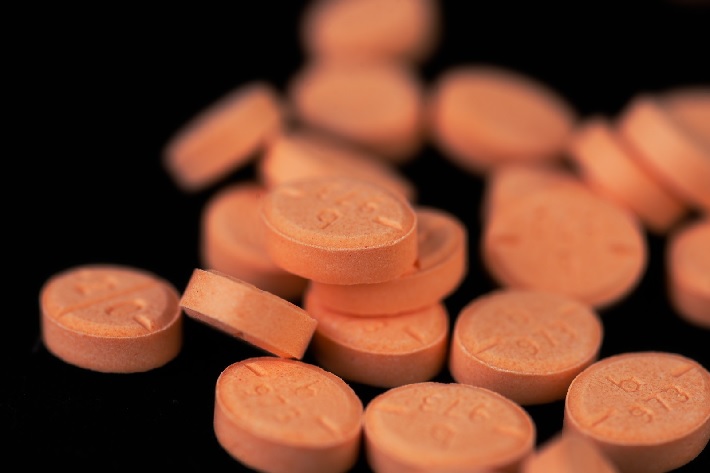
Recover from Adderall Abuse
Adderall is a mix of amphetamine salts meant to treat ADHD and narcolepsy. It boosts focus and energy by flooding the brain with dopamine. When people abuse it without a prescription, that rush hijacks the reward system. Over time, the brain craves more to feel normal, leading to addiction. You might start hiding pills or skipping doses and life gets messy.
Medical detox offers the safest way to break this hold. It cuts the physical pull of Adderall abuse under expert care. This step clears the body of the drug while easing the worst symptoms. From there, you build real tools for lasting change.
Recognizing the Need for Professional Intervention
Spotting Adderall dependence early can save you from deeper trouble. Many ignore the signs until they hit rock bottom. Learn about specialized Adderall detox treatment that addresses both physical and psychological aspects of addiction.
The Signs and Symptoms of Adderall Dependence
You build tolerance fast with Adderall. What started as one pill becomes three or four to get the same kick. You think about the drug all day, even planning ways to get more. Mood swings hit hard irritability one minute, crashes the next. Paranoia creeps in and sleep vanishes. Physically, your heart races, and appetite drops. These clues scream that abuse has taken over.
Quitting cold turkey amps up the danger. Without help, withdrawal slams you with severe fatigue and deep depression. Your body, wired for constant stimulation, rebels. Heart issues or seizures can pop up too. That’s why pros push for guided detox.
Why At-Home Detox Is Risky for Stimulant Abuse
Trying to detox at home sounds simple, but it’s a bad idea for Adderall users. No doctor watches your vitals, so small problems turn big. At home, stress from family or work adds chaos. In a facility, nurses check you round the clock. They spot heart strain or mood drops right away.
Data shows the risks. About 70% of people who try home detox for stimulants end up back in the cycle or seeking emergency care. For opioids, home methods work better sometimes. But stimulants stress the heart and mind in wild ways. Pro help cuts those odds.
Determining the Right Level of Care
Severity guides your choice. If addiction runs deep or you have heart problems, inpatient detox fits best. You stay 24/7 in a calm spot for full monitoring. For milder cases with no big health risks, intensive outpatient work. You visit a few hours daily but sleep home.
Co-occurring issues matter too. Anxiety or depression alongside abuse? Inpatients give extra mental health support. Talk to a doc for a quick eval. They weigh your history and symptoms to pick the best path.
The Core Components of Medically Supervised Adderall Detox
Medical detox isn’t just waiting out symptoms. It’s a smart plan to steady your body and mind.
Initial Assessment and Stabilization Protocols
It starts with a full check-in. Staff review your medical past, ask about mental health, and run a urine test. They learn how long you’ve used Adderall and at what dose. This sets the stage for safe care.
Vitals get top focus. Nurses track your heart rate and blood pressure often. Adderall can cause high pressure, raising stroke risk. They adjust care to keep things stable. Temperature checks help too, as crashes bring chills.
Pharmacological Management During Withdrawal
Docs use meds to ease the ride, not replace the drug. Unlike opioids, no direct substitute exists for stimulants. Instead, they target symptoms like anxiety or sleep loss. Benzos might calm nerves short-term. Sleep aids help you rest without the drug’s buzz.
- Clonidine eases agitation and sweats.
- Antidepressants start low to lift the mood slowly.
- Always under doc orders—no self-medicating.
Dr. Sarah Kline, an addiction specialist, says, “Safe withdrawal from Adderall focuses on comfort. We avoid over-sedation but step in fast for heart strain.” This approach keeps you clear-headed while symptoms fade.
Navigating the Adderall Withdrawal Timeline and Challenges
Withdrawal from Adderall unfolds in stages. Knowing what to expect helps you push through.
The Acute Withdrawal Phase (First 72 Hours)
The first days hit like a truck. After the last dose, energy plummets. You feel wiped out, sleepy and down. Cravings scream loud and depression sinks in deep. Your brain, used to dopamine floods, starves now.
Why 24/7? These hours risk the most. Heart rate swings wildly and some face panic attacks. Staff calm you with talks or light meds. Most acute stuff peaks by day three, then eases.
Managing Depressive Symptoms Safely
Stimulant quits often spark big blues. It’s like your brain’s pleasure wires short-circuit. Staff watch for self-harm signs closely. They chat daily, gauge your mood and link you to counselors.
If needed, they start safe antidepressants. No rush—timing matters to avoid mixed signals. This care keeps you safe while the fog lifts.
Transitioning from Detox to Long-Term Recovery
Detox clears the drug, but real change comes next. Don’t stop at this step.
The Inadequacy of Detox Alone
Detox handles the body, not the why. Why did you start Adderall? Stress? Pressure? Without fixing roots, relapse waits. Many quit cold after detox and fall back—stats show 40-60% do within a year.
It breaks the physical chain but skips habits. Therapy fills that gap.
Integrating Therapy Immediately Post-Detox
Jump into counseling right after. Cognitive Behavioral Therapy (CBT) rewires thoughts about the drug. It helps spot triggers like deadlines. Motivational Interviewing builds your drive to stay clean.
- Prep by journaling triggers.
- Pick a therapy group that fits your schedule.
- Set small goals, like one sober week.
Start in detox if possible. This bridges the gap smooth.
Building a Sustainable Support System
Groups keep you going. 12-step meetings like NA share stories and steps. SMART Recovery teaches skills without spirituality. Peer groups cut isolation—friends who get it.
Family involvement helps too. Learn boundaries together. Over time, this net catches slips before they grow.
Conclusion: Reclaiming Focus and Health Through Structured Detox
Medical detox lays a solid base for beating Adderall abuse. It handles body risks and eases the crash, letting you focus on healing.
True wins come from therapy right after. It tackles the mind and builds new paths. Skip this and old patterns creep back.
If Adderall has you gripped, reach out now. Call a center for that first assessment. Pro help breaks the cycle—reclaim your clear head and steady life today.