Triggers on the Radar: Managing Drug Addictive Behaviors and Smarter Treatment Strategies
Triggers on the Radar
Addiction triggers hit fast and hard, pulling people back into drug use even after months of clean time. These cues act like alarms in the brain, sparking cravings that lead to relapse in up to 60% of cases within the first year of recovery. You can’t just run from them; you need tools to spot and handle them head-on.
This article shows how to manage drug addictive behaviors by building a personal system to track triggers. It covers the science behind them, ways to map and change responses, and new treatment options that go past basic detox. The goal is smarter strategies that fit your life and cut relapse risks.
Understanding the Neurobiology and Psychology of Addiction Triggers
Identifying Common Categories of Addiction Triggers
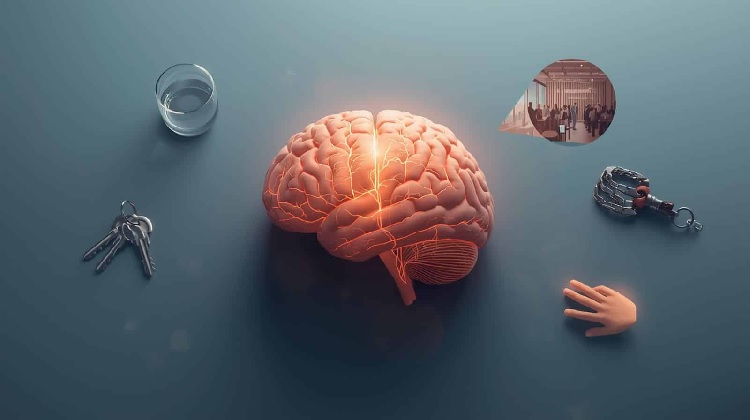
Triggers fall into three main groups. Environmental ones include people, places, or objects tied to past drug use, like a corner store where you scored or a friend who still parties. Emotional triggers come from feelings such as stress from a bad day at work, loneliness after a breakup, or anxiety in crowds.
Physiological triggers hit the body directly. Cravings build from low blood sugar or fatigue, while withdrawal symptoms like nausea make everything feel worse. Knowing if a trigger is environmental, emotional, or physiological helps you pick the right fix, such as talking it out for emotions or eating a meal for body signals.
The Brain’s Role: How Cues Drive Relapse
Your brain wires triggers through the mesolimbic dopamine pathway. This system links cues to pleasure, so seeing a needle or smelling smoke fires up reward signals even without the high. Conditioned learning makes it stick; one bad night can tie a song to the rush for years.
High-risk situations amp this up. A party with old users is high-risk because multiple cues hit at once. Low-risk exposure, like driving past a familiar spot without stopping, tests your control without full danger.
The Impact of Co-occurring Disorders on Trigger Response
Mental health issues make triggers stronger. Depression turns small stresses into overwhelming urges, while PTSD flashbacks mix trauma with cravings for escape. Untreated anxiety speeds up emotional reactions, making a fight feel like the end of the world.
Dual diagnoses demand combined care. Therapy for PTSD plus addiction meds tackles both roots. Without this, one problem feeds the other in a loop.
Proactive Trigger Management: Developing a Personalized Radar System
Comprehensive Trigger Mapping and Assessment
Start by listing your triggers in a diary. Track what happens before a craving hits using the ABC model: note the antecedent (what sets it off), the behavior (your reaction), and the consequence (what follows). Do this for a week to see patterns, like evenings alone leading to old habits.
Clinicians use this too in sessions. Patients often find hidden ones, such as coffee smells tied to late-night binges. Review the list weekly and rate each trigger’s strength on a scale of 1 to 10.
Building Resilience Through Environmental Modification
Change your space to dodge triggers. Toss out pipes, lighters, or pills from drawers. Rearrange rooms to break old routines, like moving the TV away from the kitchen if snacks lead to binges.Set boundaries with people. Tell risky friends you need space, or limit visits to sober settings. Join new groups, such as hiking clubs, to fill the gap.
These tweaks create safety nets. Over time, they lower cue exposure. One client I read about in recovery stories swapped bar nights for gym time and stayed clean for two years straight. Laguna Hills drug rehab helps in healing from addiction and mental health disorders through evidence-based practices.
Smarter Treatment Pathways: Moving Beyond Traditional Detox
The Role of Contingency Management (CM) in Behavior Modification
Contingency Management uses rewards to shape habits. Get a clean urine test, earn vouchers for movies or groceries. This builds positive links to sobriety.
It shines in early recovery. For cocaine or meth users, CM boosts abstinence rates by 70% in trials from the VA. Prizes keep motivation high when willpower dips. Join a program if it fits. Track your wins to see progress. This method turns abstract goals into real gains.
Using Technology for Real-Time Trigger Interventions
Apps track moods and send alerts. When stress rises, PEARLS or similar tools suggest breathing exercises. Wearables like Fitbits spot heart rate spikes from cravings and prompt check-ins.
Just-in-time interventions adapt to you. If data shows evenings are tough, the app pushes distractions like podcasts. Future versions might use AI to predict risks from sleep patterns.
Advanced Pharmacological Strategies for Cue Reactivity
Meds can blunt trigger responses. Naltrexone blocks opioid highs, making cues less appealing for alcohol or heroin users. It targets reward signals without full detox focus.
Other options like acamprosate ease alcohol cravings by steadying brain chemicals. These differ from withdrawal aids like methadone, which handle dependence more than cues.
Long-Term Sustainability: Integrating Recovery into Daily Life
Mastering Lapse Prevention vs. Relapse Management
A lapse is one slip, like a single drink. You can stop there with quick action. Relapse means going back to full use, often after ignoring the first warning.
Prevent lapses by planning ahead. Spot high-risk times, like holidays, and line up supports. If it happens, own it fast: call your sponsor, skip the next chance.
Cultivating Healthy Coping Mechanisms to Replace Addictive Behaviors
Drugs fill time and ease pain, so swap them with better options. Exercise releases endorphins; a 30-minute walk beats a hit’s short buzz. Mindfulness apps teach focus without escape.
Learn new skills like cooking or drawing. These build pride and fill empty hours. Stress hits? Try deep breathing or journaling instead of reaching for a substance.
Make a list of go-tos:
- Walk outside.
- Call a friend.
- Play music you love.
Stick to them daily. Over months, they become habits that stick.
The Social Support and Community Connection in Recovery
Strong ties keep you grounded. Non-using friends offer real talks without judgment. Peer groups like AA or SMART Recovery share stories that normalize tough days.
These networks cut isolation. Research from the American Journal of Psychiatry links social bonds to 40% better sobriety odds. Attend meetings weekly to build them.
Conclusion: From Reactive Fear to Proactive Mastery
Triggers shape drug addictive behaviors, but you can manage them with knowledge and tools. Map them out, use CBT to shift thoughts, and tweak your world for safety. Smarter treatments like CM, tech aids and targeted meds add layers of support.
Long-term, focus on lapses over full relapses, healthy swaps, and solid connections. This turns recovery into a steady path. Start your radar system today—track one trigger and build from there for lasting change.