How Predictive Maintenance Is Revolutionizing Aircraft Reliability
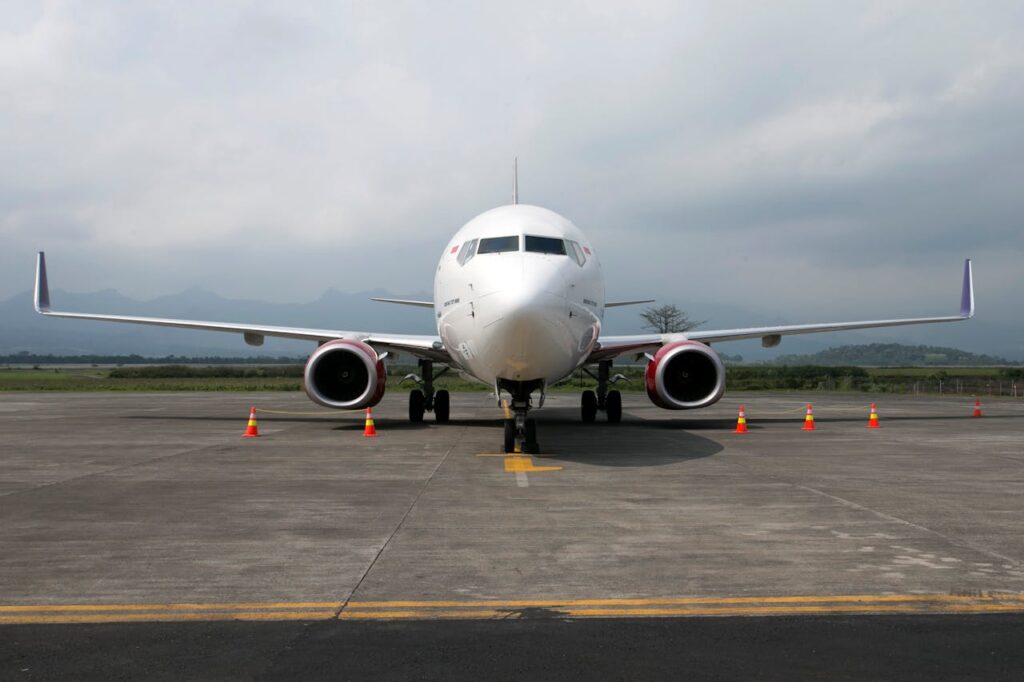
Regarding aviation, reliability is not only essential but also very crucial. While it compromises scheduling and passenger confidence, aircraft delays may cost airlines millions of dollars. The aviation sector has accepted predictive maintenance as a transforming method to guarantee aircraft dependability and save running expenses. Using cutting-edge data analytics, sensor technology, and artificial intelligence, this breakthrough approach forecasts equipment failures before they happen, therefore transforming airplane maintenance.
The Evolution from Reactive to Predictive Maintenance
Reactive methods—fixing parts after they failed—or preventative plans based on elapsed time or cycles dominated traditional aviation maintenance. Many times, these techniques produced unneeded maintenance or unanticipated breakdowns. In this sense, predictive maintenance marks a major change in strategy. Real-time monitoring systems let airplane operators monitor components’ actual state of condition.
Sophisticated algorithms find minute variations in performance data versus set baselines that would point to potential growing issues. This lets maintenance personnel handle problems during planned maintenance rather than coping with unanticipated breakdowns during running operations. The change hasn’t occurred overnight. Sensor downsizing, data processing capacity, and the creation of machine learning algorithms competent in identifying trends in large datasets all depend on major technical developments. These technologies today cooperate to give formerly unheard-of access to aircraft conditions.
Leveraging Big Data and AI for Maintenance Predictions
With gigabytes of data produced during every flight, the contemporary airplane is practically a flying data center. From engine performance to cabin environmental systems, every element of an aircraft’s running is under constant observation and documentation. Prediction maintenance techniques are built on this abundance of data. Processing this data, artificial intelligence and machine learning algorithms find trends and abnormalities likely to elude human investigators.
Even in cases where those changes fall within normal operating limits, these systems may identify minute changes in performance characteristics that would suggest a component is starting to fail. These artificial intelligence algorithms are becoming ever more precise with time. The algorithms learn to identify the particular indicators of approaching problems by matching operational data with prior maintenance records.
Enhanced Equipment Testing with Advanced Diagnostic Tools
Predictive maintenance makes physical inspections and testing more focused and efficient rather than it does away from their necessity. When analytics point to a possible problem, maintenance staff employ sophisticated diagnostic tools to confirm and evaluate it. Modern testing tools have been developed to reflect the aircraft’s degree of complexity. An air data test set, for example, guarantees thorough validation of important flying instruments, hence assuring their proper operation after predictive systems flag any problems.
These sophisticated testing tools let ground personnel duplicate situations that could be generating abnormalities found by onboard sensors by simulating many flying circumstances. Predictive analytics and accurate diagnostic tools used together provide a strong maintenance tool. By concentrating immediately on the components most likely to be producing problems rather than thorough exploratory troubleshooting, professionals may greatly shorten diagnostic times and increase accuracy.
Economic and Operational Benefits of Predictive Maintenance
With an FAA study showing possible maintenance cost reductions of 15-20% while increasing aircraft availability by up to 35%, predictive maintenance solutions provide significant economic benefits for aircraft operators. Reduced spare parts inventory needs and optimal service timing help to lengthen component lifespans, less unplanned maintenance events—which usually cost 3-5 times more than planned work—and less expensive aircraft-on-ground events help to create these cost benefits.
Apart from these immediate financial gains, the strategy improves operational effectiveness by means of more consistent flight plans with less disturbance, therefore raising customer happiness and strengthening the brand reputation. This proactive approach changes workflow management for maintenance teams by turning erratic emergency repairs into scheduled tasks days or weeks ahead, therefore allowing more effective staff and resource allocation. The adoption of predictive maintenance also marks a basic change in aviation maintenance culture from reactive problem-solving to data-driven prevention that fits the industry’s ongoing emphasis on operational excellence and safety enhancement.
Conclusion
Using modern sensors, big data, and artificial intelligence to predict issues before they disturb operations has transformed aviation by means of predictive maintenance, therefore improving both safety and cost-efficiency. As these technologies develop, even more advanced predictive features will keep changing aviation maintenance. Prevention rather than response will define the industry’s future and guarantee even more dependability for the millions of daily air travelers.