10 Questions You’ve Always Wanted to Ask a Pilot
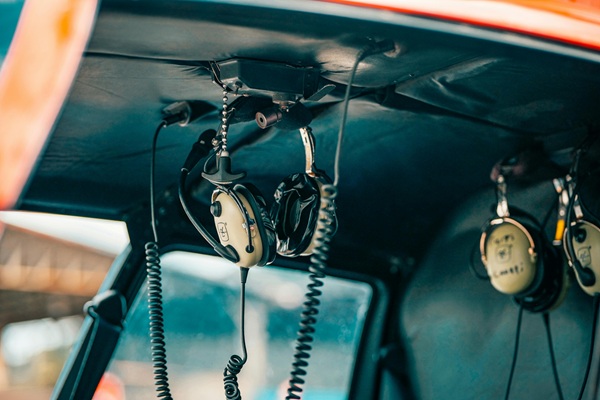
While pilots monitor changing skies, combining instrument readings with limitless weather bulletins, safety checks run on autopilot displays, low-key discussions regarding fuel margins and alternative airfields buzz through cockpits. Passengers seldom hear secret rites; they just catch glances of controllers. While quiet rituals run every climb, descent, and touchdown moment every day, that magnetic curiosity raises questions no one else asks aloud.
1. How Does Autopilot Really Steer the Aircraft While Human Hands Guide It?
Through exact calculations responsive to both autopilot inputs and operator override orders, advanced flight management systems direct roll, pitch, and yaw changes. Pilots let computer algorithms follow waypoints and use autopilot soon after reaching safe heights. Monitoring gauge readings, crew members are ready to intervene when turbulence calls for throttle adjustments or course corrections. That cooperation between human judgment and computer accuracy allows seamless travel over continents and seas.
2. What Happens Behind the Scenes During an Emergency Descent?
Pilots coordinate descent procedures that balance speed reduction with cabin safety during fast altitude dips. Starting with throttle retards and speed brakes extending to descend, that process starts with monitoring rates on flight displays. To ensure clean corridors, crew members let air traffic control know about descending plans. When pressurization fails, oxygen masks deploy; cabin crew secures loose objects. Pilots accurately run checklists, preserving cabin calm and control.
3. How Do Pilots Choose Alternate Airports on Long Overwater Routes?
Before departure, flight crews schedule main and alternate airports considering runway conditions, fuel reserves, and weather forecasts. Integrated navigation databases identify safe reach diversion fields. Mid-flight fuel estimations are changed by pilots depending on headwinds or holding patterns depleting margins. Technical problems or thunderstorms changed paths to the closest airports under air traffic control.
4. How Does Weather Radar Shape Real-Time Course Corrections?
Ahead, onboard weather radar analyzes storm clusters showing cockpit screens color-coded echoes. Using those patterns, crews choose better paths and modify flight levels or directions to avoid convection cells. Radar inputs route data into flight control systems with instantaneous path recalculating capability. Pilots then ask for deviations from air traffic control to negotiate heavy build-ups, thereby maintaining comfort and structural margins.
5. What Steps Occur from Pushback to Engine Start?
Ground technicians connect chocks and pull hitches during inspections; subsequently, pilots begin pushback with precise interphone directions. Tow tractors liberate nose gears from safety pins. Pilots turn on avionics, run battery power, then toggle engine start switches in turn. That schedule opens fuel valves, starts generators, and keeps EGT gauges steady spool-up.
6. How Do Pilots Manage Fatigue During Ultra-Long Hauls?
Crew-rest areas with bunks and soundproofing for sleep between shifts define ultra-long-haul flights, and maintenance teams use specialized avionics test equipment to verify system integrity before departure. Pilots take planned rest breaks in seats with harness support and obey duty-time rules. That strategy maintains high attentiveness during important flying stages. Healthy meals are scheduled to maintain energy cycles, and balance caffeine surges with nutrition recommendations.
7. What Do Preflight Briefings Reveal That Passengers Miss?
Before pushback, flight crews go over route information, plans, and emergency protocols in great depth. That exchange lists departure heights, taxi speeds, and runway orientation. While cabin management notes passenger counts and special-assist needs, pilots check performance margins and weather updates with dispatchers. Maintenance teams validate MEL items and fuel projections. Those well-coordinated conversations guarantee that every team member is aware of duties and hazards, so promoting a cohesive approach that passengers hardly see outside of the cockpit doors.
8. How Do Radio Communications with Air Traffic Control Really Work?
Specific frequencies tuned by cockpit radios for every sector enable communication from gates to cruise level. Standardized phraseology helps pilots eliminate uncertainty while requesting clearances, location updates, and altitude adjustments. Controllers slot airplanes into arrival trajectories or traverse en route corridors using exact vectors, therefore guiding traffic flows. To validate instructions, crews cross-check readbacks, therefore preserving alignment across several stations.
9. What Role Does the Flight-Deck Checklist Play in Ensuring Safety?
From preflight to shutdown, pilots perform checklists marking engine start, system testing, and emergency procedures. That disciplined schedule guarantees safe operations under heavy loads and helps to avoid omissions. As crew members finish duties, electronic displays change to show any missing vital procedures. These sequences are stored in muscle memory by scenario-based training, which then drives quick, precise performance under duress.
10. How Do Flight Crews Handle Medical Emergencies Mid-Flight?
While pilots plan diversions, cabin crew evaluate symptoms quickly to balance operating restrictions with passenger demands. Using med packs filled with oxygen masks, defibrillators, and simple drugs, flight attendants administer first aid. Attendants use satellite communications to provide ground physicians with patient information.
Conclusion
From autopilot subtleties to emergency checklists, every cockpit secret opens a greater respect for a pilot’s craft. That realization reveals how secret rituals promote the safety and smoothness of every flight, turning mystery into adoration. Understanding that skill-based orchestration transforms every trip into a masterful composition above the skies.