From Insight to Impact: Why Execution Is the Missing Link in Analytics

Businesses today are flooded with dashboards, reports, and KPIs. Every department has metrics, yet leaders still ask: “Why aren’t we moving faster?” The problem isn’t a lack of insight—it’s the failure to translate those insights into execution.
Data on its own doesn’t drive results. It needs systems that carry the story from spreadsheets into daily work, turning numbers into next steps. Without this bridge, analytics becomes a vanity exercise: lots of visibility, little impact. Lark solves this problem by connecting analytics with action, ensuring that every insight leads directly to outcomes.
Lark Sheets: turning numbers into direction
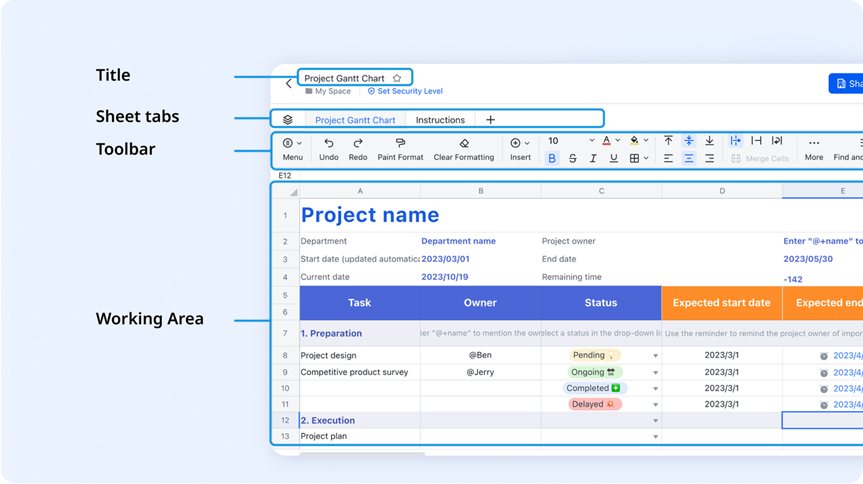
Spreadsheets are often where analytics begins, but in most organizations, they quickly become overwhelming. Endless rows of figures make it hard to see what matters. Lark Sheets changes that by keeping data collaborative and dynamic. Instead of emailing static files, multiple contributors can edit the same sheet in real time, ensuring that everyone is always working from the most accurate numbers. Smart formulas and functions simplify complex analysis, turning raw data into clear trends that support faster decisions. And because Sheets connects seamlessly to Base and Docs, the numbers don’t sit in isolation—they flow directly into projects and strategy, keeping analytics tied to execution.
Lark Docs: adding narrative to analytics

Data without explanation often creates more questions than answers. Leaders may see a sales dip, but unless they understand why it happened, they can’t act effectively. Lark Docs provides the narrative layer that makes numbers meaningful. Teams can co-edit reports in real time, adding annotations, insights, and perspectives from different departments. Version history ensures transparency, allowing decision-makers to see how thinking evolved over time. Docs also embed live Sheets or Slides, keeping the supporting data alongside the narrative. Instead of scattering context across platforms, Docs tie numbers and explanations together, creating a clear, actionable story from analytics.
Lark Base: structuring execution from insight
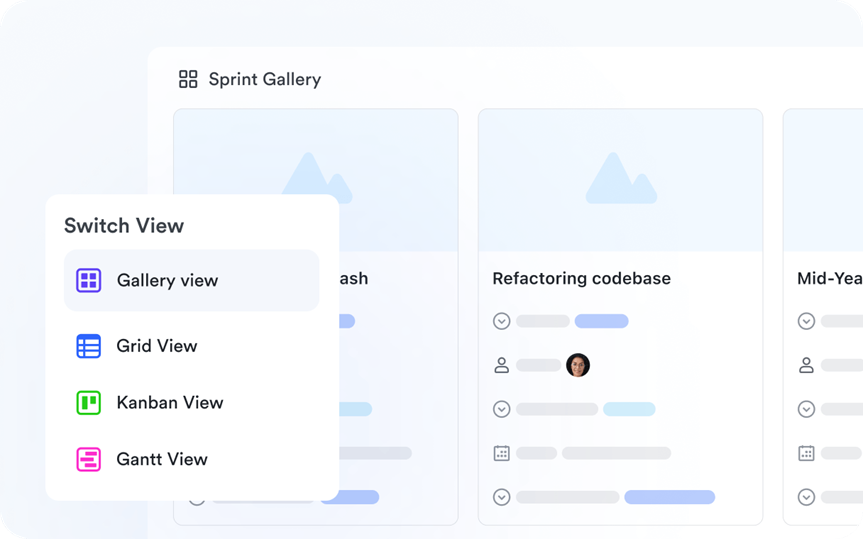
The biggest challenge with analytics isn’t understanding the numbers—it’s turning them into action. Lark Base provides the structure to make that transition seamless. Teams can choose from multiple views—kanban boards, grids, or Gantt charts—to organize work in the most useful way. Dashboards give leaders visibility into progress, showing whether actions inspired by analytics are driving results. Automations reduce manual noise by updating records, sending reminders, or assigning tasks automatically. For many organizations, this is why Lark functions as their trusted CRM app—a connected system where customer data, projects, and analytics converge, ensuring that insights don’t just stay in reports but flow directly into execution.
Lark Approval: decisions at the speed of insight

Analytics often identifies risks or opportunities, but acting on them requires decisions—and that’s where momentum is frequently lost. Requests sit in inboxes, managers approve without context, and by the time something moves forward, the data is already outdated. Lark Approval solves this by making decision-making structured and fast. Customizable forms capture all relevant details up front, reducing delays caused by missing information. Conditional routing ensures that requests automatically go to the right stakeholders, while Messenger notifications keep approvals visible where teams already collaborate. By embedding an automated workflow, Approval ensures that decisions keep pace with insights, so execution never lags behind analytics.
Lark Messenger: connecting context to execution
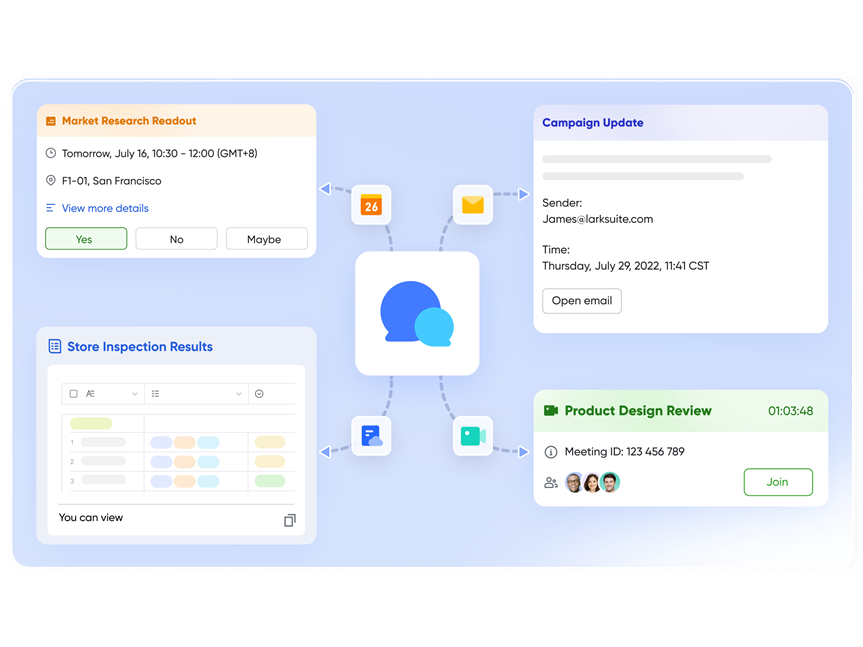
Some of the most important context behind analytics comes from real-time conversations. A quick update from the sales team or a comment from operations might explain a number on a dashboard—but if those insights stay trapped in chat threads, they’re lost. Lark Messenger makes sure they aren’t. Threaded replies keep discussions organized, so context doesn’t disappear in endless scrolling. Critical updates can be pinned for visibility, while Buzz alerts highlight urgent information. More importantly, Messenger turns conversations into action: with one click, a message can become a task, a calendar event, or a shared Doc. This ensures that the discussions behind analytics are carried directly into the execution pipeline.
Lark Mail: bridging external data and decisions
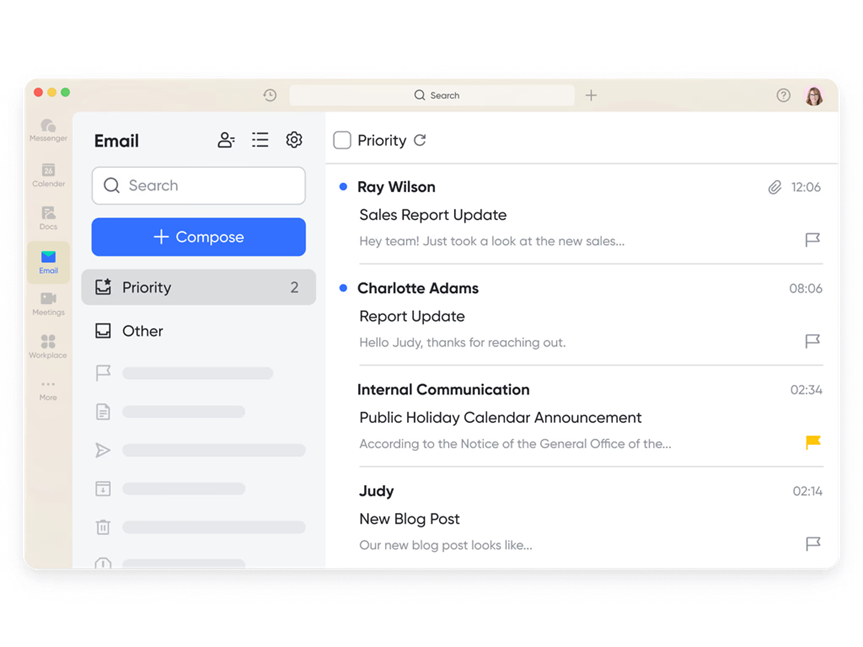
Not all insights come from internal dashboards. Customer emails, partner updates, and regulatory notices often contain information that shapes decisions. But when email is siloed from other systems, this external context gets lost. Lark Mail connects it back to execution. Smart scheduling ensures emails are delivered at the right time for maximum visibility, while recall and edit tools reduce the clutter of mistakes. Most importantly, Mail integrates directly with Messenger, allowing key emails to become discussions or follow-up actions. External communication is no longer a separate overload—it becomes part of the same connected workflow that carries analytics through to impact.
Conclusion
The real value of analytics isn’t in how many dashboards a company produces, but in how effectively it acts on them. Organizations don’t fail because they lack data—they fail because they lack systems to carry insights into execution.
Lark provides that system. Sheets turn raw numbers into direction, Docs add narrative, Base structures action, Approval accelerates decisions, Messenger carries context, and Mail keeps external voices connected.
Among the wide range of project management tools, Lark stands apart because it ensures that insights don’t stall at visibility—they become impact. And in a world overflowing with data, that bridge between analytics and execution is the true measure of productivity.