Chronic Skin Issues that Require Specialist Intervention: When to See a Dermatologist?
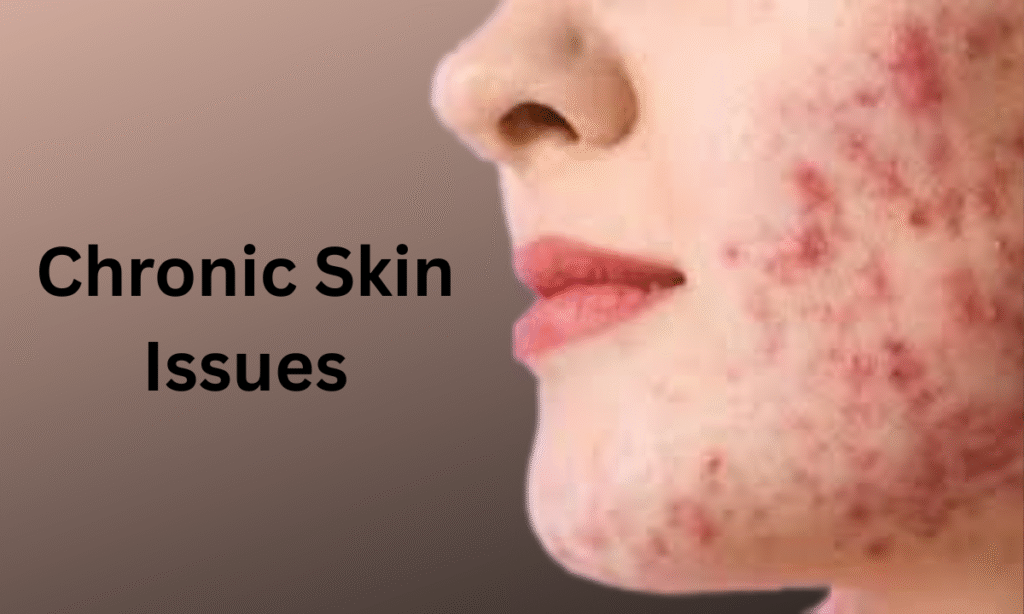
Not every rash or breakout is a quick fix. Some skin problems demand expert attention from a private dermatologist. Learn more about these skin problems by reading our post.
Many people self-treat skin issues, but chronic or worsening conditions can signal deeper health concerns.
For example, 25% people in Canada suffer from some kind of skin disease, including chronic skin diseases. This has led to depression, anxiety, and other issues. If you’re one of these people, too, then you can set your worries aside.
That’s because you can visit a private dermatologist near you to control these conditions to ensure they don’t hamper your life. But which chronic skin conditions should you visit these specialists for?
Continue reading to learn more below.
What Are Chronic Skin Conditions?
Chronic skin issues refer to those conditions that last lifelong. In other words, they do not have a definite cure, but they can be mitigated when you visit a skin specialist. Now, most people confuse chronic skin conditions with acute, recurring, and persistent skin problems.
But that’s not the case. Let’s explore their differences in the table below.
| Factors | Chronic Skin Conditions | Acute Skin Conditions | Recurring Skin Conditions |
| Duration | Last lifelong | Get resolved within a few weeks | Keep occurring at periodic intervals or randomly |
| Cure | No cure currently, as per scientifc research | Yes, they can be cured | No permanent cure, though some can possibly be cured; Consult your private dermatologist to know this; |
| Control | Can be controlled by visiting skin specialists | Need not be controlled since they can be cured within a finite period | Can be controlled by visiting skin specialists |
Table 1: Chronic vs Acute vs Persistent vs Recurring Skin Problems
What Are Some Common Chronic Skin Issues that Need Specialist Care?
Some common types of chronic issues that you need require the attention of a private dermatologist are:
Psoriasis
Psoriasis is a condition that causes inflammation on your skin. This condition can be identified by its thick, scaly, discoloured skin. This discoloured skin is known as plaque. Some other symptoms of psoriasis include dry or cracked skin, constant itching, and cracked nails.
Psoriasis is caused due to an overly sensitive immune system. In other words, when psoriasis enters the system, the immune system starts destroying your existing skin cells. This is because your immune system mistakes these cells for unhealthy cells.
When your existing skin cells get destroyed, the body works overtime to produce new cells to replace them. However, instead of the 1-month period, your body produces new skin cells in about 4 days.
This constant shedding and production of skin cells leads to the formation of scales and inflammation.
Psoriasis can be triggered by conditions like emotional stress, skin injuries, infections, or medications.
Atopic Dermatitis
Atopic dermatitis is a condition wherein your skin remains discoloured and itchy throughout. This condition is generally common in children, but can also occur in adults. While dry, itchy skin is a definite symptom, there are others as well.
These symptoms include rashes, crusty skin, skin that becomes thicker than usual, dark circles, and sensitive skin.
This condition is caused due to an overactive immune system. Normally, your immune system produces a barrier. The barrier protects your skin from allergens and other skin irritants. That’s why you should moisturize the affected area to control it.
Atopic dermatitis is a condition that is triggered due to stress, skin infections, and changes in environmental temperature. Some common types of products that can cause atopic dermatitis are plants, certain soaps, and foodstuffs like shellfish or peanuts.
This condition can also be triggered by certain skincare products, like scented products. That’s why you should avoid them to the extent possible. You should consult a dermatologist in West Island (dermatologue Ouest-de-l’Île) to know what type of skincare products you should use to avoid triggering your skin.
Rosacea
Rosacea is a condition that leads to reddish skin on your face. This condition can be observed on your forehead, skin, and neck. It is generally observed in people aged 30 years or later.
Apart from red skin, you can identify rosacea through other symptoms as well. These include signs of flushing, visible veins, eye problems, and pus-filled bumps.
This condition can be triggered by intensive exposure to the sun, consuming alcohol, spicy food, or hormonal factors.
It can also be triggered due to blood pressure medicines. Irrespective of the cause, you should visit your dermatologist in West Island (dermatologue Ouest-de-l’Île ) immediately if this condition persists.
Fungal Skin Infections
Fungal skin infections are caused due to the influence of fungi. They are medically known as mycosis and are observed on your skin and nails.
Fungi are living multicellular organisms. They are generally found in the form of bacteria, mold, or yeast. These organisms live on land or in plants. They also exist in our own body, in the gastrointestinal tract, skin, and mouth.
They cause infections when you’re exposed to excessive humidity or sweat a lot.
Some examples of fungal infections include ringworm and onchomycosis, for example.
Ringworms can take place in your skin, feet, inner thighs, and groin. They can be identified due to the ring-like patches on these areas. Other symptoms include itchy and scaly skin.
Onchomycosis is a condition that primarily affects your toenail area. It can be identified through the discoloured and thickened nails. You should visit your dermatologist in West Island (dermatologue Ouest-de-l’Île) if the bad odour persists.
How To Know You Should See a Dermatologist Immediately?
You should visit your dermatologist when you see that your:
● Symptoms persist beyond a month.
● Acne doesn’t recede despite using over-the-counter medications.
● Rapid spreading or change in lesions.
● Severe itching, pain, or signs of infection.
● Foul odour is spreading from the affected area due to pus.
When you visit them, they will first have a detailed discussion with you. During this discussion, they will ask about the duration and intensity of your skin condition.
After that, your private dermatologist may carry out some diagnostic tests like scraping, and wood light. Scraping involves taking samples of the skin and studying the possible growth of yeast or hyphae.
Wood light tests involve using a black light to study the issues and determine the intensity of the same.
Once they conclude their diagnostic tests, they suggest a treatment plan and issue a follow-up schedule.
Wrapping Up
Chronic skin problems aren’t just cosmetic. They can signify more serious issues. However, you can bring them under control by visiting a private skin specialist. They will suggest a custom plan based on your condition and help you enjoy a better quality of life.
Bring Your Chronic Skin Problems Under Control Today
If you’ve been battling a stubborn skin problem for weeks, don’t wait. Book a consultation with a private dermatologist near you today.