A Simple Guide to the Rise of Lab-Grown Diamonds
the Rise of Lab-Grown Diamonds
Lab-grown diamonds have become one of the most significant developments in the jewellery industry over the last decade. What began as a niche alternative has grown into a mainstream option chosen by people who want clarity about how their stones are created, how they compare to mined diamonds and whether they offer long-term value. As interest continues to rise, many consumers exploring lab grown diamonds at Lily Arkwright are seeking clear information to help them understand what sets these stones apart.
This guide explains how lab-grown diamonds are made, why they have become popular and what buyers should consider when comparing them to traditional diamonds.
What Are Lab-Grown Diamonds?
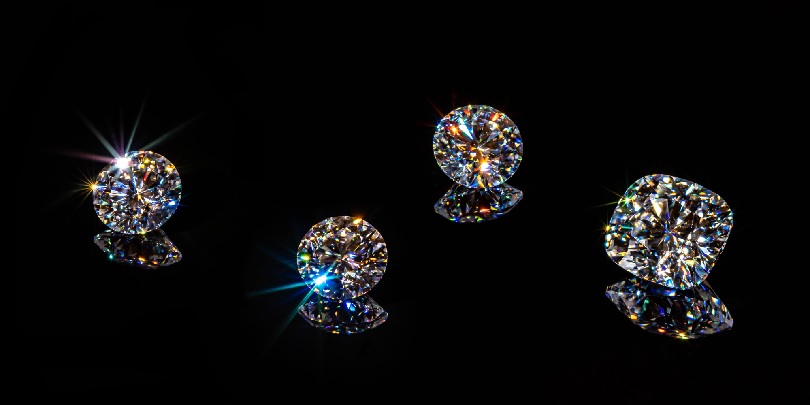
Lab-grown diamonds are real diamonds, created in controlled laboratory environments rather than formed naturally below the earth’s surface. They share the same chemical structure, appearance and durability as mined diamonds. The only difference lies in their origin.
These diamonds are produced using advanced technology that replicates the natural conditions in which diamonds form. Because the environment is carefully managed, the process allows for greater predictability and transparency.
How Lab-Grown Diamonds Are Created
There are two common methods used to grow diamonds in a laboratory setting:
1. High Pressure High Temperature (HPHT)
This method uses high pressure and high heat to mimic the natural diamond-forming conditions found deep within the earth. A small diamond seed is placed inside a chamber and carbon material forms around it as temperatures and pressure increase.
2. Chemical Vapour Deposition (CVD)
CVD places a diamond seed inside a chamber filled with carbon-rich gas. When the gas is heated, carbon atoms separate and begin to build up on the diamond seed, gradually forming a new diamond layer by layer.
Both methods produce diamonds with properties identical to mined stones. The finished result depends on the duration of the process, the technology used and quality control throughout production.
Why Lab-Grown Diamonds Have Become Popular
Several factors have contributed to the growing demand for lab-grown diamonds:
Transparency
Consumers increasingly value knowing where their products come from. Lab-grown diamonds offer clear, traceable origins because they are produced in controlled environments rather than sourced from global mining operations.
Accessibility
Because laboratory production is more controlled, lab-grown diamonds are often available at lower price points than mined diamonds of similar size and quality. This allows buyers to consider larger or higher-quality stones within the same budget.
Appearance and Quality
Lab-grown diamonds have the same sparkle, structure and grading standards as mined diamonds. They can be certified and evaluated using the same recognised criteria.
Technology and Modern Appeal
Technological innovation attracts buyers interested in modern alternatives. Lab-grown diamonds reflect advances in materials science and consumer choice.
Comparing Lab-Grown and Mined Diamonds
Although the two types of diamonds look and behave the same, buyers often want to understand how they compare in practical terms.
Appearance
There is no visible difference between lab-grown and mined diamonds. Both can have excellent clarity, colour and brilliance.
Certification
Reputable gem labs evaluate both types using the same grading system. Lab-grown diamonds receive certificates detailing their characteristics just like mined diamonds.
Durability
Both are made of pure carbon and score a 10 on the Mohs hardness scale, making them suitable for everyday wear.
Value Considerations
Lab-grown diamonds typically cost less upfront, making them attractive for buyers who want high quality without the premium price associated with mining. As with any purchase, long-term value depends on personal preference and how the wearer sees the significance of the stone over time.
Sustainability Considerations
Many people choose lab-grown diamonds because they offer a more controlled and transparent production process. Buyers who prioritise lower environmental impact, fewer unknowns regarding sourcing or reduced reliance on mining often see lab-grown stones as a practical choice.
These factors contribute to a growing interest in jewellery that reflects modern values, especially among buyers looking for alternatives that align with their personal principles.
Understanding the Technology Behind the Trend
The rise of lab-grown diamonds is closely connected to advances in technology. Improved equipment, refined production methods and stronger quality control have made it possible to create diamonds that meet high standards.
As laboratory production evolves, consumers benefit from access to stones with consistent quality and a clear explanation of how they were grown. Because of this, lab-grown diamonds have moved from a niche scientific achievement to a widely accepted jewellery choice.
What Buyers Consider When Choosing
People exploring lab-grown diamonds usually consider the following factors when comparing options:
Quality
As with mined diamonds, buyers look at the cut, colour, clarity and carat weight. These characteristics influence appearance and price.
Origin Transparency
Knowing exactly how a diamond was grown appeals to people who prefer simple, traceable information.
Style and Setting
Because lab-grown diamonds come in a range of sizes and shapes, there is flexibility when selecting settings such as solitaires, halos and contemporary designs.
Budget
The more accessible price point often allows buyers to choose a larger stone or higher grade within the same budget range.
A Modern Approach to Diamond Buying
Lab-grown diamonds have shifted the jewellery landscape by providing a clear, traceable and accessible alternative to mined stones. Their rise is part of a broader trend where consumers value transparency, controlled production and the option to choose designs that suit both personal preferences and modern expectations.
Whether buyers are drawn to the technological innovation behind these stones, the clarity of their origins or the practical advantages they offer, lab-grown diamonds have become a strong contender in the jewellery market. Their growing popularity shows how consumer priorities continue to evolve alongside new possibilities within the industry.