A Complete Guide to Drawstring Wigs and Water Wave Styles
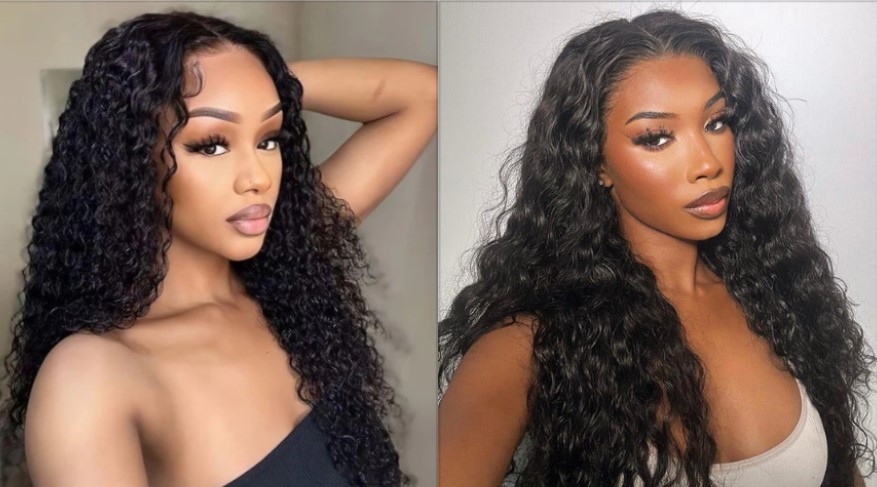
The wig industry has evolved rapidly, moving from traditional lace-front and full-lace wigs toward more user‑friendly, natural-looking, and convenient designs. Among the more recent innovations are drawstring wigs (also called “adjustable glueless wigs”) and specific textures/styles such as water wave. Together, these offer wearers more comfort, flexibility, and styling versatility.
Below, I’ll break down:
- What drawstring wigs are, how they work, pros & cons, and care tips
- What water wave wigs are (texture, benefits, styling, maintenance)
- Intersection: water wave drawstring wigs — how they combine both features
- Buying tips & what to look for
- Final thoughts
1. Drawstring Wigs
What Are Drawstring Wigs?
A drawstring wig is essentially a glueless wig design that includes an elastic drawstring (adjustment cord or strap) built into the inner cap. This allows the wearer to tighten or loosen the wig cap to fit snugly around the head’s circumference.
Because of this adjustability, drawstring wigs offer stability and comfort without needing adhesives or glues.
OQHAIR, for instance, initially implemented the drawstring mechanism in their 360 glueless wigs and then expanded it to various constructions — such as 7×5 lace wigs, 9×6 lace, T‑part, V‑part, and half wigs.
How Does the Mechanism Work?
- Behind the wig cap (usually at the nape area), there is an inside adjustment string.
- By pulling or loosening this string, the cap can be made tighter or more relaxed to match the wearer’s head shape.
- Many drawstring wig designs also include an anti-slip strap to further anchor the wig and prevent sliding.
- Once adjusted for comfort and security, the wig stays in place — even in active motion or long wear.
Because no glue or adhesive is needed, wearing and removing the wig becomes easier and faster, which particularly benefits beginners or people who prefer low-maintenance options.
Benefits of Drawstring Wigs
- Glueless Wear
Eliminates the need for lace adhesive, glue, or tapes. Because the wig stays on via the drawstring mechanism, it’s more user-friendly and less damaging to hairlines or skin. - Adjustable Fit
The wearer can fine-tune the snugness depending on daily comfort, hair volume underneath, or season (factor in head swelling, etc.). - Stability
The combination of drawstring + anti-slip strap means the wig is less likely to shift, the wig cap edges mold better to the scalp, and styles like high ponytails are safer without revealing wig bases. - Comfort & Breathability
OQHAIR mentions that they combine a drawstring with a “3D dome wig cap” that is breathable.
Because glues and tapes aren’t used, there’s less irritation or tension on the skin. - Versatility
You can style the wig in various ways — high ponytails, buns, or different partings — without worrying about adhesive residue or edges lifting. - Beginner Friendly
For those new to wigs, drawstring systems simplify the installation process. You don’t need advanced skills to secure it well.
Possible Drawbacks or Considerations
- Adjustment Visibility: Depending on how deep or well-constructed the wig is, sometimes the drawstring area or edges might show if the wig lifts or parts are shallow.
- Longevity of Elastic: The elastic string or strap may lose its elasticity over time, requiring replacement or repair.
- Fit Limitations: If someone’s head measurement is significantly outside the standard range, the drawstring may not accommodate extremes (too large or too small).
- Edge Blending: Even with a snug fit, ensuring a natural hairline or blending edges may sometimes be trickier than with adhesive methods.
- Less Tension for Certain Styles: Some updos or very heavy styling might still require extra anchoring depending on the wig’s design.
Maintenance Tips for Drawstring Wigs
- When adjusting the drawstring, pull gently and evenly to avoid creating uneven tension or ripping internal cap seams.
- Keep the anti-slip strap clean and intact — that strap helps in stability.
- Avoid overstretching the elastic; if tension weakens, consider restringing.
- When storing, loosen the drawstring to relieve tension on the cap.
- Use gentle washing, conditioning, and deep treatments appropriate for the wig hair type (human hair or synthetic) to preserve the look and lifespan.
2. Water Wave Wigs
What Is “Water Wave” Texture?
“Water wave wig” refers to a wavy hair pattern that mimics soft, undulating waves — kind of like ripples on water. It’s less curly than deep wave or kinky curly textures, but more defined than loose waves or soft body waves. The wave pattern tends to be fairly uniform and smooth, with gentle curves rather than tight ringlets.
On OQHAIR’s water wave collection page, the site lists many options: HD lace frontal wigs, glueless wigs, pre-bleached knots, pre-plucked hairline, 7×5 lace closure styles, 360 lace frontal styles, color variants (ombre, balayage), and various lengths.
Advantages and Appeal of Water Wave Wigs
- Natural Yet Styled Look
Water waves strike a balance: the hair looks styled but not overly “done,” giving an effortless, wearable texture. - Versatility
Because the waves are looser, the hair can be straightened or curled further for a change, making it more flexible. - Manageability
Compared to tighter curls, water wave patterns are easier to detangle, shampoo/condition, and maintain without frizz. - Aesthetic Appeal
The wave adds volume and movement to the hair. The defined, cascading waves often catch light and look lively. - Compatibility with Lace & Glueless Designs
The water wave texture can be combined with any cap design (lace frontal, 360, closure, glueless) — as seen in OQHAIR’s catalog.
Styling & Maintenance Tips for Water Wave Wigs
- Use moisturizing shampoos and conditioners to preserve the wave pattern and prevent dryness.
- Avoid overly hot tools frequently; if you straighten, reintroduce waves gently with steam or low-heat wavers.
- Use wide-tooth combs or finger detangling to prevent breakage.
- Use leave-in conditioners, curl creams, or light oils to maintain definition and reduce frizz.
- After washing, gently scrunch or finger-style to enhance wave bounce rather than brushing them out.
- Store on a wig stand or mannequin head to preserve the wave shape and prevent flattening at the roots.
3. Water Wave + Drawstring Wigs: Combining Features
One particularly popular fusion is the water wave drawstring wig — a wig that marries the desirable wave texture with the adjustable, glue-free cap mechanism.
From the OQHAIR drawstring page, you can see listings like Water Wave 360 Invisible Drawstring Wig (glueless) and Water Wave Drawstring 7×5 Lace Wig with pre-cut lace and bleached knots. Also, on the water wave collection, several products are described as “wear go,” “glueless,” or having elastic drawstring features.
Benefits of the Combination
- Effortless Install: You get the aesthetic of the water wave texture, with the convenience of drawstring adjustment — no glue needed.
- Secure Styling: Waves can bounce and move, but the snug drawstring ensures the wig stays anchored during motion.
- Flexibility: You can style (straighten, curl, etc.), and the wig remains wearable daily without adhesive hassles.
- Natural Look: The texture helps disguise cap lines, and the drawstring ensures a tight, scalp-hugging fit, enhancing realism.
Considerations
- Because wave textures are somewhat softer and less tightly bound, sliding or shifting could slightly disturb the wave if the cap isn’t well anchored — so the quality of the drawstring mechanism matters.
- The wave pattern may flatten near edges or roots if the wig cap constricts too much — balancing tension is key.
- The heavier or denser the wig (e.g., long or thick bundles), the more strain on the drawstring and cap — ensure strong construction.
4. Buying Tips & What to Look For
When choosing a drawstring wig (especially in water wave texture), keep an eye on these features:
Additionally, test the wig after purchase: adjust the drawstring, move your head, and try a few styles to see if the wig shifts. If possible, shake or walk with it before wearing it out to ensure security.
5. Final Thoughts
Drawstring wigs, especially when combined with textures like water wave, represent a compelling evolution in wig technology — bringing convenience, wearability, and aesthetic appeal together. They make wig wearing easier (especially for beginners), remove the hassle and risks of adhesives, and allow for freedom in styling.
If you’re considering purchasing a water wave drawstring wig, selecting one with solid internal construction, high-quality hair, and realistic lace work will help ensure you get a piece that looks good, feels comfortable, and lasts longer.