Why CPAs Are Indispensable for Corporate Governance
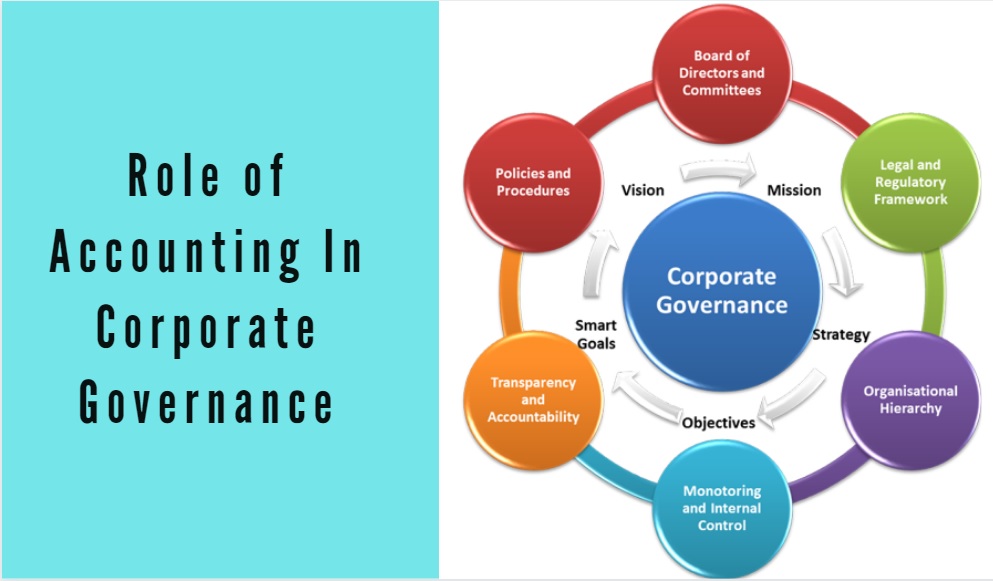
CPAs Are Indispensable for Corporate Governance
You might already feel the pressure from every side. Boards want cleaner reporting, audit committees want fewer surprises, regulators expect discipline, and leadership still needs fast decisions. When numbers, controls, and accountability start pulling in different directions, corporate governance stops feeling like a policy issue and starts feeling personal. For leaders seeking accounting guidance for business owners in Manchester NH, one weak process, one missed disclosure, one control gap, and trust erodes fast.
That is where the value of a Certified Public Accountant becomes clear. CPAs do far more than prepare statements or help at tax time. They bring structure to financial reporting, discipline to internal controls, and credibility to the information directors, investors, lenders, and regulators rely on. In plain terms, why CPAs are indispensable for corporate governance comes down to this. They help companies tell the truth about their financial condition, prove it with reliable systems, and catch risks before those risks turn into public damage.
Strong corporate governance depends on reliable financial oversight
Good governance is not built on mission statements. It is built on evidence, review, and accountability. Boards cannot oversee what they cannot trust, and management cannot make sound decisions with weak financial data. A CPA helps close that gap by improving the quality of reporting and by testing whether the systems behind that reporting actually work.
If revenue is recognized too early, expenses are misclassified, or reserves are based on guesswork, the damage spreads beyond the finance department. The board may approve a strategy based on false margins. Investors may read stability where risk is growing. Audit committees may think controls are operating when they exist only on paper. The SEC has repeatedly emphasized the role of audit committees in financial reporting, and that responsibility depends heavily on accurate, tested information.
This is why many organizations rely on CPAs as part of the governance framework, not just as outside compliance support. A skilled CPA understands accounting standards, internal control design, fraud risk, documentation, and the pressure points that tend to break under growth, turnover, or poor oversight. That mix makes them central to any serious corporate governance and financial oversight effort.
CPAs reduce the risk that small control failures become major governance problems
Most governance failures do not begin with dramatic fraud. They begin with ordinary sloppiness that nobody owns. One person approves and reconciles the same account. Vendor setup lacks review. Forecasts are adjusted without support. The monthly close gets rushed, then board packets are built from numbers that have not been fully reviewed. Everyone assumes someone else checked it.
That is exactly the kind of environment where a CPA adds value. A CPA can identify control gaps, test whether procedures are working, and separate what looks fine from what actually holds up under scrutiny. The Government Accountability Office’s Green Book on internal control lays out core principles for control environments, risk assessment, monitoring, and communication. CPAs turn those principles into working practice.
Picture a company preparing for expansion or outside investment. Revenue is climbing, but the finance team is still using informal approvals and spreadsheet driven reconciliations. On the surface, the business looks healthy. Underneath, there may be duplicate payments, unsupported journal entries, or inconsistent reporting between departments. A CPA sees the fault lines early. That early view protects the board, management, and the company’s reputation.
Audit committees rely on CPAs to strengthen accountability
Audit committees carry a heavy burden. They are expected to oversee reporting quality, external audits, internal controls, and risk signals that may never appear in a standard board presentation. That job is hard enough when the company is stable. It gets much harder during acquisitions, leadership changes, rapid growth, cybersecurity incidents, or cash pressure.
CPAs help audit committees ask better questions and get clearer answers. They understand materiality, estimates, control deficiencies, independence, and the warning signs of weak reporting culture. The Public Company Accounting Oversight Board provides resources for audit committees that reinforce how much effective oversight depends on informed financial review. A CPA helps translate those expectations into day to day governance.
This is one reason the broader case for the importance of CPAs in governance keeps growing. Companies need people who can challenge assumptions without creating panic, document issues without burying them, and improve controls without slowing every decision to a crawl.
DIY financial oversight creates blind spots that professional CPA support can prevent
| Area | Internal DIY Approach | CPA Supported Approach |
| Financial reporting | Reports may rely on unchecked assumptions or rushed close processes | Statements are reviewed for accuracy, consistency, and compliance |
| Internal controls | Controls exist informally and may not be tested | Controls are documented, evaluated, and improved based on risk |
| Audit committee support | Committee receives limited context around accounting issues | Committee gets clearer analysis of estimates, deficiencies, and exposure |
| Fraud and error detection | Problems may surface only after losses or complaints | Red flags are identified earlier through review and testing |
| Regulatory readiness | Documentation may be incomplete or inconsistent | Processes and records are better prepared for scrutiny |
The point is not that management lacks good intentions. The point is that good intentions do not create reliable oversight. A CPA for corporate governance brings independent judgment, technical skill, and a habit of asking for support when everyone else is moving too fast.
Practical steps that strengthen governance right away
Review who controls key financial processes. Map out who approves payments, posts entries, reconciles accounts, and reviews reports. If one person handles too much without review, you already have a governance issue.
Test your board reporting against source data. Pick a recent board packet and trace major figures back to reconciled records. If the support is unclear, late, or inconsistent, your governance reporting needs work before the next meeting.
Bring in a CPA to assess controls and reporting discipline. Ask for a focused review of financial close procedures, internal controls, and audit committee reporting. Even a targeted assessment can uncover risks that have been normalized internally.
CPAs help corporate governance hold up under pressure
Every company wants trust, accountability, and clean reporting. Few get there by accident. Governance holds when the numbers are sound, the controls are real, and oversight is backed by evidence instead of assumptions. That is why CPAs remain central to strong governance. They help companies operate with clarity when pressure is high and mistakes are costly.
If your reporting process feels too dependent on workarounds, memory, or last minute fixes, that feeling is worth listening to. A Certified Public Accountant can help you tighten controls, support your board, and build a governance structure that stands up when it matters most.