What La Crosse Residents Should Know After a Serious Car Accident
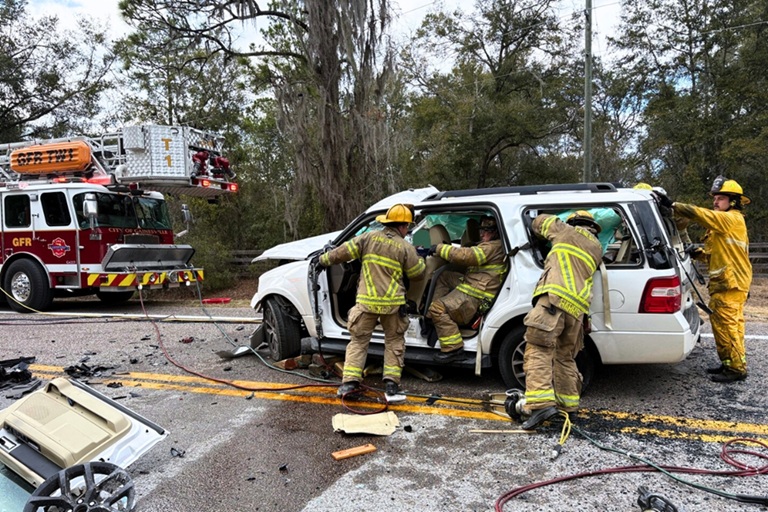
A serious crash shatters your sense of safety in one violent moment. You may wake up in a hospital bed. You may stand on the side of the road staring at broken glass. Either way, questions hit fast. How do you pay for treatment. How do you return to work. How do you protect your family from the money strain that often follows. This guide walks you through your first choices after a serious car accident in La Crosse. You will learn what to say and what not to say. You will see how to document injuries, missed work, and daily pain. You will also understand when it is time to speak with La Crosse car accident lawyers so you do not stand alone against an insurance company that knows the rules and uses them. You deserve clear steps and straight talk.
Step One: Focus On Safety And Medical Care
First, protect your body. Nothing comes before that.
- Move to a safe place away from traffic if you can.
- Call 911. Ask for police and an ambulance.
- Check others for injury without moving them unless there is fire or danger.
Next, tell paramedics and doctors about every single pain. Even small pain matters. Hidden head or spine injuries can grow worse with time. The Centers for Disease Control and Prevention explains that some concussion signs show up hours later. You can read more about common crash injuries on the CDC’s traffic safety page at https://www.cdc.gov/transportationsafety/.
Always accept medical care if offered. If you refuse care, an insurer may later claim you were not hurt.
Step Two: Call The Police And Get A Report
Wisconsin law expects drivers to report crashes that cause injury or enough damage. A police report creates a record you can use later.
When the officer arrives:
- Stay calm.
- Give basic facts.
- Do not guess about speed or fault.
Say you are still in shock. Say you want to wait for the full report before you comment on fault. That protects you from rushed blame.
Step Three: Collect Evidence At The Scene
If you are able, collect proof before the scene changes. If you cannot, ask a trusted person to help.
- Take photos of all vehicles, skid marks, and street signs.
- Photograph your visible injuries.
- Write down names, phone numbers, and license plate numbers.
- Ask witnesses for contact details and a short written statement if they agree.
Also, note the weather, time, and traffic. Small details can show why a crash happened.
Step Four: Protect Yourself With Careful Words
Your words after a crash can shape your claim.
Use these three rules:
- Do not say “I am fine.” Say “I will know more after a doctor checks me.”
- Do not say “It was my fault.” Say “The officer will sort out what happened.”
- Do not share guesses. Share only what you saw and heard.
Insurance adjusters often call fast. They may sound kind. They still work for the company, not for you. You can say, “I am not ready to give a recorded statement. I will call back after I speak with a lawyer.” Then stop talking.
Step Five: Track Costs, Symptoms, And Missed Work
Money stress often hits after the sirens fade. Careful records help you ask for full payment.
Keep three sets of notes:
- Medical. Save bills, test results, and visit summaries.
- Work. Track missed hours, lost tips, and job limits.
- Daily life. Write a short journal of pain, sleep trouble, and tasks you cannot do.
This proof shows how the crash changed your life, not just your car.
Common Post Crash Choices In Wisconsin
After a serious crash in La Crosse, you face several paths. The table below gives a simple look at common choices and what each one means for you.
| Choice After Crash | Short Term Effect | Long Term Risk | Possible Benefit |
|---|---|---|---|
| Handle claim alone | Faster talks with insurer | Low payment, missed rights, pressure to settle | May finish claim quickly |
| Wait to see if pain fades | No early medical bills | Hidden injuries, weak proof, missed deadlines | Avoids care you might not need |
| Get early medical care and follow up | Clear record of injury and cause | Time off work for visits | Stronger claim and safer healing |
| Consult a lawyer before talking to insurer | Guidance on what to say and sign | May feel slower at first | Better chance at fair payment |
Know Your Rights Under Wisconsin Law
Wisconsin uses a “shared fault” rule. That means you can still recover money if you are less at fault than the other driver. Your payment can drop by your share of blame. For example, if you are 20 percent at fault, your money can drop by 20 percent.
Time also matters. Wisconsin law sets a deadline to file a lawsuit after a crash. If you miss it, you lose that path, no matter how strong your case would have been.
You can read general crash and safety guidance for Wisconsin drivers at the Wisconsin Department of Transportation website at https://wisconsindot.gov/Pages/safety/education/crash-response/default.aspx.
When To Contact A La Crosse Car Accident Lawyer
Some crashes are simple. Many are not. You should reach out to a lawyer when:
- You have broken bones, head injury, or lasting pain.
- You miss more than a few days of work.
- A loved one dies in the crash.
- The police report feels wrong.
- The insurer blames you or calls your injury “minor.”
A lawyer can review your police report, medical records, and photos. Then the lawyer can explain your choices in clear terms. That includes settlement talks and, if needed, a lawsuit.
Protect Your Family After A Serious Crash
You did not choose this crash. You still have power now. You can seek care. You can collect proof. You can refuse to rush into a low offer. You can ask questions until the answers make sense.
Each step you take can guard your health, your paycheck, and your family’s future comfort. Start with safety. Then gather facts. Then get guidance before you sign anything that closes your claim forever.