Understanding Ltl Shipping And Packaging Requirements
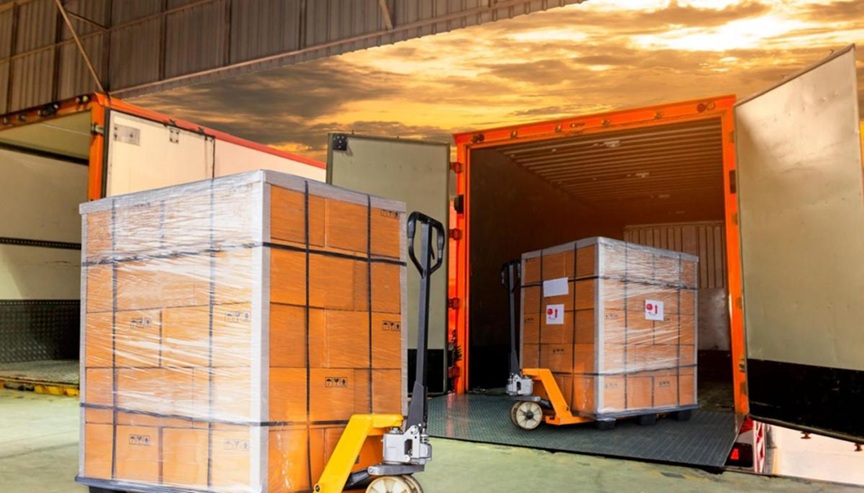
Navigating the world of shipping can feel overwhelming, especially when dealing with ltl delivery services. You need to understand the essentials of LTL shipping and packaging requirements. This understanding ensures that your goods reach their destination safely and on time. Start by knowing that LTL shipping is an option when you have smaller freight. You share space on a truck with other shipments. This reduces costs. However, packaging is crucial. Proper packaging prevents damage. It protects your shipment from the bumps and jolts of the journey. You should also label your packages clearly. This avoids confusion at transfer points. Additionally, consider the weight and size limits. Following these rules will enhance the efficiency of your shipments. You save money and reduce stress. Remember, every detail counts in LTL shipping. This blog will help guide you through these important steps with compassion and clarity.
What is LTL Shipping?
LTL, or Less Than Truckload, is a shipping option that allows you to ship smaller loads without booking an entire truck. This service is beneficial for businesses that do not need a full truckload, thus optimizing logistics by sharing space with other shippers. Understanding how LTL shipping works is key to managing your shipping needs effectively.
Benefits of LTL Shipping
- Cost Efficiency: LTL shipping allows you to pay only for the portion of the truck your goods occupy. This is more economical than paying for a full truck.
- Environmentally Friendly: Sharing space with other shipments means fewer trucks on the road, reducing carbon emissions.
- Flexible Scheduling: LTL delivery services offer more frequent pickups and deliveries, providing flexibility to meet your business needs.
Packaging Requirements
Proper packaging is the backbone of successful LTL shipping. The correct method ensures that your goods are protected during transit. Here are some essential packaging guidelines:
- Sturdy Materials: Use durable boxes and pallets. Reinforced materials handle the weight and movement better.
- Secure Sealing: Seal boxes with strong tape to prevent accidental openings during transit.
- Label Clearly: Mark all packages with essential information such as destination, origin, and handling instructions.
Weight and Size Considerations
Knowing the weight and size of your shipment is vital for LTL shipping. Carriers often have specific limitations. Exceeding these can lead to extra fees or delays. Here’s a basic guide:
| Carrier | Max Weight per Item | Max Dimensions (L x W x H) |
|---|---|---|
| Carrier A | 150 lbs | 48 x 40 x 60 inches |
| Carrier B | 200 lbs | 48 x 40 x 70 inches |
Always verify these limits with your chosen carrier to avoid surprises.
Safety Measures and Compliance
Following safety measures and compliance guidelines is crucial for LTL shipping. Regulations ensure that each shipment is handled safely. Reference resources like the Federal Motor Carrier Safety Administration for the latest guidelines. This helps avoid penalties and ensures smooth transit.
Enhancing Shipping Efficiency
Efficiency in LTL shipping can save you time and money. Implement simple strategies to streamline your shipping process:
- Plan Ahead: Schedule shipments in advance to secure space and better rates.
- Use Technology: Track shipments using online tools to monitor progress and address issues promptly.
- Communicate Clearly: Maintain open communication with carriers and recipients to ensure all parties are informed.
Conclusion
LTL shipping is a valuable option for businesses looking to optimize their logistics without the need for full truckloads. By understanding the requirements and employing best practices, you can ensure that your shipments are cost-effective, timely, and intact. Proper packaging, attention to weight and size, and adherence to safety regulations are key to successful LTL shipping. By implementing these guidelines, you enhance the efficiency and reliability of your shipping operations. Remember, each step in the process contributes to a seamless shipping experience.