Understanding Drug Possession Vs. Drug Trafficking
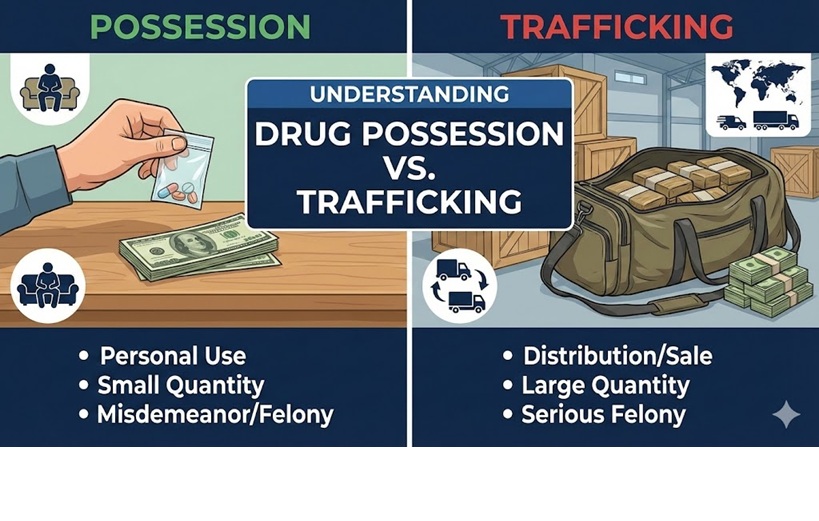
Understanding the difference between drug possession and drug trafficking can change everything when facing charges. Drug possession means you have illegal substances for personal use. It’s often treated as a lesser offense. Drug trafficking involves distributing or selling drugs. It carries harsher penalties. Knowing these differences helps you make informed decisions. Savannah drug crime attorney services can guide you through legal challenges. Expert advice is vital because the consequences are tough. You could face fines, jail time, or both. Recognizing the line between possession and trafficking is crucial. Each comes with distinct legal definitions and penalties. Act now to protect your rights and future. Learn how laws apply to your situation. This knowledge empowers you to navigate the legal system effectively. Don’t face this alone. Seek guidance from professionals who understand the complexities of drug-related charges. Remember, understanding is your first step toward resolving your legal challenges.
Defining Drug Possession
Drug possession is a charge you face when you have illegal substances for your personal use. It implies no intention to sell or distribute. The law views this as a personal matter with less severity. However, penalties can still include fines and potential jail time. Each state has its own rules about what constitutes possession. It’s crucial to check local laws. For example, having a small quantity might lead to fines. Larger amounts could lead to harsher consequences. Education on state-specific laws keeps you informed and prepared.
Defining Drug Trafficking
Drug trafficking involves selling, distributing, or producing illegal substances. This is considered a serious crime. The law imposes strict penalties, including long-term imprisonment. Trafficking charges arise from activities beyond mere possession. Factors include the amount of drugs, involvement in sales, and transportation. Law enforcement prioritizes these cases due to their impact on communities. Understanding the distinctions in trafficking cases is vital. For more information on drug trafficking and its implications, visit the U.S. Drug Enforcement Administration.
Key Differences and Consequences
While both charges relate to illegal substances, their legal consequences differ greatly. Here’s a simple comparison:
| Aspect | Drug Possession | Drug Trafficking |
|---|---|---|
| Intent | Personal use | Sale or distribution |
| Penalties | Fines, short jail time | Heavy fines, long-term prison |
| Amount | Generally small | Larger quantities |
| Legal Complexity | Less complex | Highly complex |
Why Understanding is Crucial
The consequences of misunderstandings can be life-changing. Knowing the differences in charges helps you make better choices. It affects legal strategies and potential outcomes. Being aware allows you to seek appropriate legal help. Understanding also helps you avoid harsher penalties by ensuring actions remain within the law. Education plays a crucial role in prevention and mitigation. Familiarize yourself with laws and seek advice when needed.
Steps to Take if Charged
- Stay calm and composed.
- Contact a reliable attorney immediately.
- Avoid discussing details without legal representation.
- Gather any evidence that supports your case.
- Understand your rights and legal options.
Taking these steps helps manage the situation effectively. Legal expertise is invaluable during such times. For further guidance on handling drug-related charges, visit the U.S. Department of Justice.
Conclusion
Distinguishing between drug possession and drug trafficking is fundamental. It influences your legal standing and potential penalties. Knowing the law helps prevent missteps and ensures you take appropriate actions if charged. Seek expert guidance to navigate these complex challenges. Protect your rights and secure your future. Remember, knowledge and legal support are your best allies.