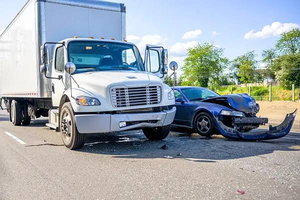
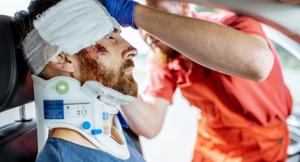
The Impact of Las Vegas Traffic and Nightlife on Accident Rates
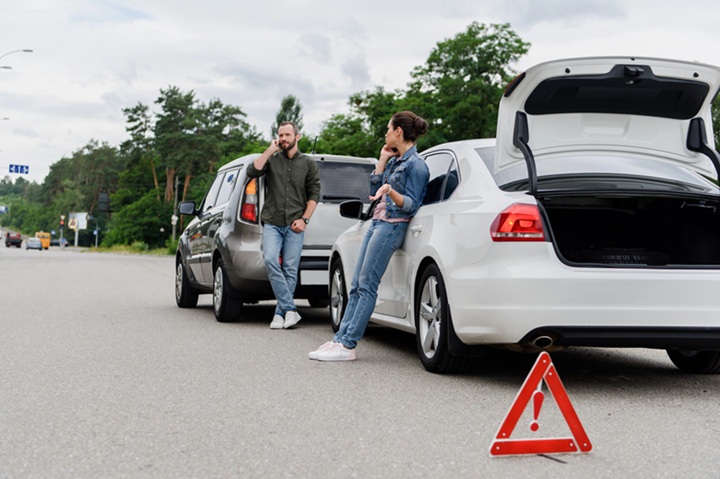
Las Vegas thrives on motion, but that energy carries risk. This guide explores The Impact of Las Vegas Traffic and Nightlife on Accident Rates, showing when and why crashes spike, how to stay safe, and when to contact a car accident lawyer to protect your rights and recovery.
Why Las Vegas Traffic Surges and Nightlife Elevate Crash Risk?
Las Vegas is a 24/7 destination built around late-night activity. Visitor inflows, mega-events, and shift-work schedules combine with alcohol availability, fatigue, and distraction. The Strip (Las Vegas Boulevard) and Downtown/Fremont Street funnel tourists, rideshares, taxis, delivery vans, and pedestrians into dense, signal-rich grids. Weekend peaks, convention weeks, and holiday runs amplify exposure.
At night, visibility drops, pedestrians wear nightlife apparel that’s harder to spot, and drivers face glare from neon, LED panels and reflections off glass facades. Add out-of-town drivers learning unfamiliar turn pockets and resort driveway patterns and you get abrupt lane changes, missed signals, and aggressive last-minute merges on I-15 and US-95.
Ride-hailing brings its own pattern: frequent curbside stops, U-turns to pick up at casino entrances and app-driven distraction. Meanwhile, valet exits and parking garages create short conflict zones where vehicles intersect with streams of pedestrians and scooters. All of this pushes crash likelihood upward near resort clusters.
High-Risk Times, Roads, and Nightlife Districts
The combination of nightlife and tourism reshapes the clock. Risk isn’t just “rush hour”. It often climbs late evening through early morning, with secondary spikes around resort check-in/check-out and show releases. Corridors with complex signage and multilane turn options also elevate confusion.
When and where crashes tend to spike (illustrative overview):
| Time Window | Hotspots & Corridors | Primary Triggers | Relative Risk |
| 7–10 pm | The Strip, Paradise Rd near LVCC | Show traffic, rideshare congestion, sudden stops | High |
| 10 pm–2 am | Fremont St, Flamingo Rd, Tropicana Ave | Impairment, distraction, jaywalking | Very High |
| 2–6 am | I-15 near resort exits, Sahara Ave | Fatigue, speeding on lighter traffic | High |
| Weekend afternoons | Summerlin Pkwy, US-95 interchanges | Tourist routing, lane changes | Medium |
| Event release times | Arena/casino exits, Harmon/Las Vegas Blvd | Pedestrian surges, confusion | High |
Beyond the Strip and Downtown, outlying entertainment hubs, stadium districts and festival sites can produce temporary spikes. Pay special attention to hotel zones with shared valet/ride-hail areas and mid-block crosswalks.
Common Accident Patterns: Tourists, Rideshares, and DUI
When nightlife collides with heavy tourism, accidents rise and quick legal guidance matters. If you’re hurt, a Las Vegas car accident lawyer can explain local rules, preserve evidence (dashcam, rideshare logs, surveillance), handle insurers, and pursue damages. Keep reading to learn where, when and why collisions surge across the valley. A few crash patterns dominate nightlife corridors:
- Left-turn conflicts: Drivers misjudge gaps across busy pedestrian crosswalks or lanes carrying fast through-traffic.
- Rear-end braking chains: Short following distances plus sudden stops near resort driveways.
- Sideswipes: Late lane changes to make casino entrances or freeway ramps.
- Pedestrian strikes: Mid-block crossing to reach venues; visibility challenges at night.
- Rideshare pick-up maneuvers: Unexpected U-turns, double-parking, and curb merges.
Nightlife scenarios and common crash types (illustrative):
| Nightlife Scenario | Typical Crash Type | Key Factors | What Helps |
| Show release crowds | Rear-end, pedestrian | Sudden stops, crosswalk overflow | Slow approach, wider gaps |
| Casino valet zones | Sideswipe, low-speed impact | Double-parked cars, tight merges | Use designated lanes, patience |
| Late-night boulevard | DUI, high-speed rear-end | Impairment, low visibility | Sober rides, defensive spacing |
| Garage exits | Angle collisions | Sightline obstructions | Full stops, inch-out checks |
| Rideshare pick-ups | Doorings, sideswipes | Curbside chaos, distraction | Set safe pick-up points |
Tourists add novelty risk unfamiliar with reversible lanes, bus lanes and resort entrances. Locals working late shifts face fatigue. Together with alcohol availability, the mix produces preventable harm.
Practical Prevention Navigation, Parking, and Safe Rides
You can’t control everyone else, but you can reduce exposure:
- Pre-select routes: Use parallel roads (Koval Ln, Paradise Rd, Dean Martin Dr) to avoid last-second merges on Las Vegas Blvd.
- Stage pick-ups off the main drag: Meet rideshares on side streets or resort rideshare lots not mid-block.
- Park strategically: Choose garages with clear pedestrian paths and generous exit sightlines.
- Walk like you’re invisible: Assume drivers can’t see you; wait for clear, complete stops before stepping out.
- Mind glare: Nighttime lenses and clean windshields help counter neon reflection and LED panels.
- Watch release times: Shows, sports events and festivals create predictable waves leaving five minutes early or late.
Safer choices and their likely impact (illustrative):
| Safer Choice | Likely Risk Reduction | Notes |
| Using parallel arterials vs. Strip | Moderate to High | Fewer abrupt stops and tourists |
| Scheduled rideshare pick-up points | High | Cuts curbside chaos and doorings |
| Crossing only at signalized crosswalks | High | Reduces mid-block conflict |
| Avoiding 10 pm–2 am drives | High | Peak nightlife crash window |
| Designated sober driver or transit | Very High | Removes impairment risk entirely |
What To Do After a Crash on the Strip or Downtown
- Get safe and call 911. Move out of lanes if possible; activate hazards.
- Document the scene. Photograph vehicle positions, skid marks, valet exits, signage and lighting; capture the casino façade for location context.
- Gather witnesses. Tourists and valet staff often see everything—record names and phone numbers.
- Save digital trails. Rideshare trip logs, dashcam files, and parking timestamps matter.
- Seek medical evaluation. Adrenaline can mask injury; prompt care protects health and documentation.
- Notify insurers cautiously. Provide facts, not speculation.
- Consult a professional. A car accident lawyer can evaluate liability among drivers, venues, and transport providers.
Insurance, Claims, and Local Laws You Should Know
Las Vegas claims often involve multiple parties: private motorists, rideshare companies, hotel or venue operators (for premises and traffic control near exits), and sometimes municipal entities if signal timing or signage is implicated. Comparative negligence rules may apportion fault; thorough evidence can shift percentages significantly.
Rideshare cases add policy layers (driver’s personal policy vs. platform coverage depending on whether the app was on and a trip was in progress). Pedestrian cases hinge on crosswalk status, signal compliance and sightlines. Prompt evidence preservation video requests to hotels, dashcam backups and nearby business surveillance can be decisive.
Timelines matter. Report promptly, keep treatment consistent and track all out-of-pocket costs. If injuries jeopardize work or travel plans, maintain records of missed shifts and event tickets. When fault is contested, a car accident lawyer can coordinate experts (human factors, accident reconstruction) and navigate settlement negotiations.
Building a Safety-First Itinerary for Night Owls
If you’re planning nights out, design for safety from the start:
- Cluster venues in walking distance to minimize crossings and rides.
- Choose lighting-rich routes with protected crossings; avoid mid-block dashes.
- Set ride pick-up rules with your group (location, driver name verification, no street hails).
- Hydrate and pace to reduce fatigue and impairment.
- Use timing buffers so you’re not sprinting to a late reservation across multilane traffic.
- Share live location with a trusted friend when moving between districts.
Finally, remember that safer planning doesn’t just protect you; it also reduces the chance of harming others in an environment built for spectacle not forgiveness.
Conclusion
The Impact of Las Vegas Traffic and Nightlife on Accident Rates shows how visibility, alcohol and congestion intersect. Smart routing, safer pick-ups and defensive walking reduce risk. If you’re injured, act fast, preserve evidence and speak with a car accident lawyer to clarify rights, responsibilities and recovery options.
FAQs
1) What times see the most nightlife-related crashes?
Late evenings into early morning—roughly 10 pm to 2 am—are riskiest, with secondary waves after big shows and events.
2) Where are collisions most common near casinos?
Resort driveways, valet exits and curbside pick-up zones where vehicles and pedestrians mix in tight spaces.
3) How can tourists reduce crash risk on the Strip?
Use parallel roads, plan pick-ups off the main boulevard, obey crosswalks and allow extra time for show releases.
4) What evidence helps after a Las Vegas crash?
Photos, witness contacts, rideshare logs, dashcam files, hotel surveillance requests, medical records and repair estimates.
5) When should I contact a lawyer?
Anytime injuries, disputed fault, or multiple parties are involved consult a car accident lawyer early to protect your claim.