The Cpa’s Role In Evaluating Investment Opportunities
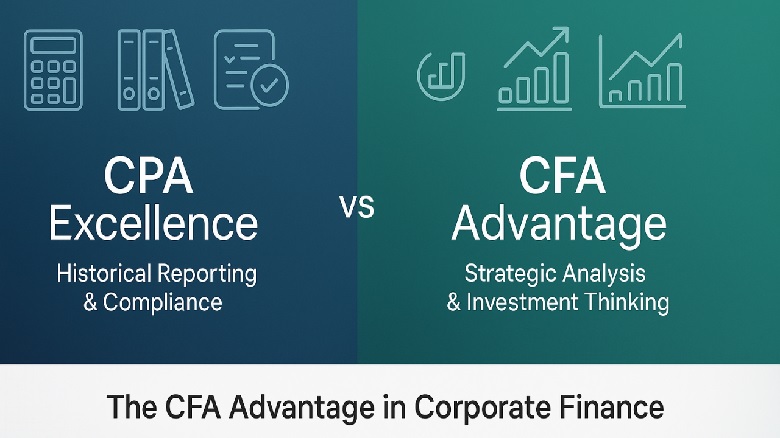
The Cpa’s Role In Evaluating Investment Opportunities
You may be staring at an investment pitch that sounds promising on the surface, yet something feels off, which is why speaking with a CPA in East Brunswick can help. The numbers look clean, the return sounds attractive, and the pressure to decide quickly makes it harder to think clearly. That stress is real. Money decisions carry weight, especially when one wrong move can affect your taxes, cash flow, retirement plans, or even your sense of security.
A Certified Public Accountant does more than prepare returns. In the context of investing, a CPA helps you test whether an opportunity fits your finances, your tax picture, and your risk tolerance. That matters because a good investment on paper can still be a poor choice for you. The Cpa’s Role In Evaluating Investment Opportunities often comes down to one thing. Turning sales claims into facts you can actually use.
A CPA Brings Financial Clarity to Investment Decisions
Investment offers rarely arrive in a calm, neutral setting. They show up during market swings, family transitions, business growth, or retirement planning. You might be managing extra cash from a sale, an inheritance, or a strong year in business, and suddenly everyone has an idea for where that money should go. That is when a CPA becomes useful, not because they predict markets, but because they know how to assess financial reality.
A CPA reviews the structure behind the opportunity. Is the expected return based on assumptions that make sense. Are fees reducing the real gain. Will taxes eat into the outcome more than you expect. If the investment creates passive income, capital gains, depreciation, or partnership reporting, those details matter. They affect what you keep, not just what you earn.
This is where investment opportunity evaluation by a CPA becomes practical. A glossy presentation may highlight upside and barely mention timing risk, liquidity issues, or tax exposure. A CPA looks at those missing pieces. If an investment ties up cash for years, they can help you see whether that creates strain elsewhere. If a private deal promises large deductions, they can tell you whether those deductions are likely to help in your specific tax situation.
Tax Impact Often Decides Whether an Investment Truly Works
Two investments with the same stated return can produce very different results once taxes are applied. That is one of the most common places people get caught off guard. You may think you are comparing eight percent to eight percent, when in reality one option leaves you with far less after tax.
A CPA can compare ordinary income treatment, capital gains rates, depreciation benefits, dividend treatment, and loss limitations. That matters for rental property, private equity funds, stock sales, business interests, and retirement account strategies. If you are a high earner, net investment income tax may also change the picture. If you are near retirement, required withdrawals and income thresholds may affect what makes sense now versus later.
The SEC’s guidance on questions to ask before you invest lines up with what a CPA reviews every day. What am I being promised. What are the costs. When can I get my money back. How is the seller being paid. Those are not minor details. They often reveal whether the opportunity is solid or simply well marketed.
Risk, Liquidity, and Asset Mix Need a Hard Look
People often focus on return first because that is how investments are sold. The harder questions come later, usually when money is already committed. What if the value drops and you need cash. What if the income projection does not materialize. What if the investment creates a concentration risk because too much of your net worth is tied to one industry, one property type, or one manager.
A CPA helps connect the investment to your full financial life. That includes debt, taxes, business obligations, estate goals, and emergency reserves. A deal may look strong on its own and still be a bad fit because it leaves you overextended. The SEC’s explanation of asset allocation is useful here because diversification is not theory. It is protection against putting too much pressure on one outcome.
This is also where a CPA investment analysis adds discipline. If you already have exposure to real estate, another real estate syndication may not improve your position. If most of your wealth is tied to your business, a speculative private investment may increase risk when you actually need balance.
DIY Review and Professional CPA Review Produce Different Results
| Approach | What You May Catch | What You May Miss |
| DIY review | Basic return claims, headline fees, general market trends | Tax treatment, cash flow strain, hidden assumptions, concentration risk, reporting issues |
| CPA review | After tax return, liquidity concerns, entity structure, loss limits, timing issues, fit with current financial plan | Market performance certainty, which no one can guarantee |
| DIY plus internet research | Public reviews, broad education, sponsor background checks | Whether the investment works for your exact income, deductions, and long term goals |
The difference is not intelligence. It is perspective. You know your goals and concerns better than anyone. A CPA sees how the moving parts interact, especially the parts that do not show up in a sales deck.
Clear Steps Help You Evaluate Investments Without Guesswork
Gather the full paper trail. Ask for offering documents, fee schedules, projected returns, sponsor compensation details, and expected tax forms. If someone resists transparency, pay attention. Pressure and vagueness usually travel together.
Run the after tax numbers. Do not stop at projected return. Ask what you are likely to keep after federal, state, and investment related taxes. Include the timing of gains, losses, and distributions. This is where a Certified Public Accountant can save you from a costly assumption.
Test the investment against your full balance sheet. Review cash reserves, debt payments, current holdings, and your need for access to money. A strong opportunity should fit your life, not force your life to bend around it.
Better Investment Choices Start With Better Financial Review
You do not need to say yes just because an opportunity sounds smart, popular, or urgent. You need enough clarity to know whether it fits your real financial picture. That is the value of a CPA in investment decisions. They help you slow the process down, separate tax facts from sales language, and make a choice with fewer blind spots.
If you are weighing an investment and want a second set of trained eyes, speak with a Certified Public Accountant before you commit funds. A careful review now can protect more than your return. It can protect your peace of mind.