The Benefits of Medical PTFE for Advanced Healthcare Solutions
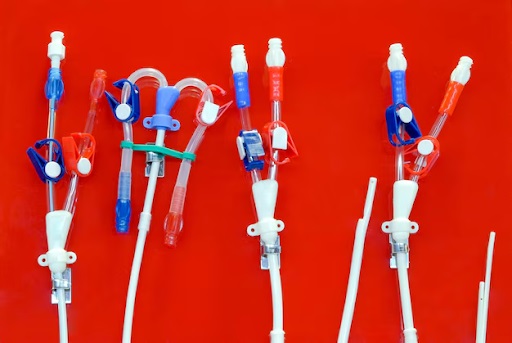
Medical PTFE (Polytetrafluoroethylene) is a high-performance plastic material with remarkable properties that make it ideal for use in the healthcare sector. Due to its exceptional chemical resistance, non-reactivity, and durability, PTFE is widely used in a range of medical applications, from surgical instruments to implants. In this article, we will explore the benefits of medical PTFE, how it is used in healthcare solutions, and why it is a preferred material for advanced medical technologies.
What is Medical PTFE?
PTFE is a synthetic polymer known for its high resistance to heat, chemicals, and electrical conductivity. It is often referred to by the brand name Teflon. PTFE tubings for medical industry are specifically designed to meet the rigorous standards required for healthcare applications. It is biocompatible, meaning that it does not cause adverse reactions when in contact with human tissues, making it safe for use in medical devices and procedures. The versatility of PTFE has made it an essential material for advanced healthcare solutions.
Key Benefits of Medical PTFE
The use of PTFE in medical applications offers several benefits, both in terms of material properties and functionality. Here are the key advantages of using medical PTFE for healthcare solutions:
1. High Chemical Resistance
One of the most significant benefits of medical PTFE is its outstanding chemical resistance. PTFE is inert to most chemicals, acids, and solvents, making it ideal for applications where exposure to harsh substances is common. Medical devices such as catheters, syringes, and valves often come into contact with medications, bodily fluids, and other chemicals. The chemical resistance of PTFE ensures that it maintains its integrity and does not degrade or react with these substances.
2. Biocompatibility and Safety
Biocompatibility is crucial in any medical material, as it ensures that the material does not cause an immune response or toxicity when in contact with human tissue. Medical PTFE is highly biocompatible, making it suitable for long-term implantation in the body. It is commonly used in applications like vascular grafts, heart valves, and surgical meshes, where long-term contact with the body is necessary.
3. Non-Stick Properties
PTFE’s non-stick properties make it an excellent choice for medical applications that require smooth surfaces. For instance, PTFE is often used in medical devices such as catheters and guidewires, as it reduces friction and enhances ease of insertion. The non-stick properties of PTFE help prevent the buildup of blood clots or other substances on medical devices, ensuring better performance and reducing the risk of complications.
4. Durability and Longevity
Medical PTFE is highly durable and resistant to wear and tear. It is capable of withstanding repeated use without losing its structural integrity, making it an ideal material for devices that require long-term functionality. This durability also ensures that PTFE-based medical devices can perform effectively throughout their lifespan, reducing the need for frequent replacements and improving overall cost-effectiveness.
5. Flexibility and Malleability
Despite its robustness, PTFE is flexible and can be moulded into various shapes and sizes to suit specific medical applications. This flexibility allows for the production of medical tubing, gaskets, and seals that fit precisely into complex medical devices. The malleability of PTFE also makes it suitable for use in minimally invasive procedures, where thin, flexible materials are required.
6. Low Friction and Smooth Surface
The low friction coefficient of PTFE is another reason it is widely used in medical devices. This smooth surface reduces friction during the insertion of devices such as catheters, making medical procedures less invasive and more comfortable for patients. Additionally, the smooth surface of PTFE reduces the risk of tissue damage during medical interventions.

Common Medical Applications of PTFE
Medical PTFE is used in a wide range of applications, from diagnostics to advanced surgeries. Some of the most common uses of PTFE in the medical field include:
1. Vascular Grafts and Implants
PTFE is frequently used to create synthetic vascular grafts, which are used in patients who require a replacement for damaged blood vessels. The material’s strength, flexibility, and biocompatibility make it ideal for use in blood vessel bypass surgeries. PTFE is also used in implantable devices such as heart valves, where it helps maintain proper blood flow without causing adverse reactions in the body.
2. Catheters and Guidewires
PTFE’s smooth surface and flexibility make it an excellent choice for medical catheters and guidewires. These devices are used in a variety of procedures, such as diagnostic imaging, angioplasty, and the insertion of stents. PTFE catheters and guidewires offer improved manoeuvrability and reduced friction, making it easier to navigate through blood vessels and other parts of the body.
3. Surgical Meshes
PTFE is used in surgical meshes for hernia repair and other reconstructive surgeries. The material’s strength, flexibility, and resistance to infection make it an ideal choice for reinforcing weakened tissue. PTFE meshes provide long-lasting support and help prevent hernia recurrence after surgery.
4. Medical Seals and Gaskets
PTFE is commonly used in medical devices for sealing and gasketing applications. Its ability to create tight seals makes it perfect for ensuring that medical devices such as syringes, valves, and pumps function effectively without leaking or contamination. The chemical resistance of PTFE also ensures that it can withstand exposure to various sterilisation processes.
5. Coatings for Medical Instruments
PTFE coatings are often applied to medical instruments such as scissors, forceps, and needles. The coating reduces friction and enhances the instruments’ performance, ensuring smooth and precise operations. PTFE-coated instruments are also easier to clean, which is important in maintaining hygiene and preventing infections.
Why Choose Medical PTFE?
The use of medical PTFE has become increasingly popular due to its numerous benefits. It is an essential material for advanced healthcare solutions, as it offers unparalleled durability, safety, and versatility. Medical PTFE ensures that devices function effectively and safely over the long term, which ultimately contributes to better patient outcomes. Whether in surgical applications, diagnostic tools, or implantable devices, medical PTFE plays a vital role in enhancing the quality of healthcare.
Conclusion
Medical PTFE offers a range of benefits that make it an indispensable material for advanced healthcare solutions. Its biocompatibility, chemical resistance, low friction, and durability ensure that it meets the rigorous demands of the healthcare sector. From surgical implants to medical catheters, PTFE’s versatility makes it an ideal choice for a wide range of medical applications. By using medical PTFE, healthcare providers can improve patient safety, enhance the effectiveness of medical treatments, and ensure that their devices perform reliably over time.