Regulatory Challenges in Controlling Listeria Contamination in the Fresh Produce Supply Chain
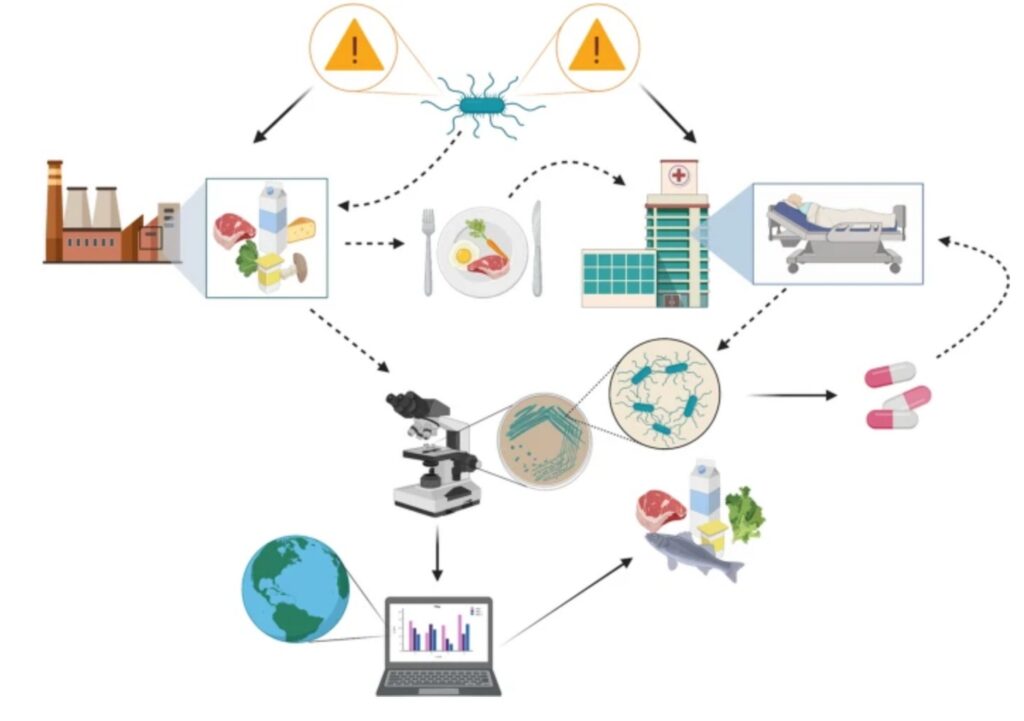
The increasing demand for fresh produce, including fruits and vegetables, has brought to light significant challenges in ensuring food safety. One of the most pressing concerns is the contamination of fresh produce by Listeria monocytogenes, a pathogen responsible for listeriosis, a serious infection that can lead to severe health complications. Regulatory frameworks play a crucial role in controlling Listeria contamination; however, numerous challenges hinder effective regulation. This article explores the regulatory challenges in controlling Listeria contamination in the fresh produce supply chain and highlights potential solutions.
Understanding Listeria monocytogenes and Its Impact
Listeria monocytogenes is a resilient bacterium found in soil, water, and decaying vegetation. It can contaminate fresh produce at various stages of the supply chain, from cultivation and harvesting to processing, packaging, and distribution. When ingested, Listeria can cause listeriosis, with symptoms ranging from mild flu-like illness to severe complications such as septicemia, meningitis, and death. Vulnerable populations, including pregnant women, newborns, the elderly, and individuals with weakened immune systems, are at higher risk of severe illness.
Challenges in Regulatory Control
- Complexity of the Fresh Produce Supply Chain: The fresh produce supply chain involves multiple stages and stakeholders, including farmers, processors, distributors, retailers, and consumers. Each stage presents unique contamination risks and requires tailored regulatory measures. Coordinating and implementing consistent food safety practices across the entire supply chain is a complex challenge.
- Variable Agricultural Practices: Agricultural practices vary widely across regions and farms, leading to inconsistencies in how produce is grown, harvested, and handled. Factors such as irrigation water quality, soil management, and worker hygiene can influence the risk of Listeria contamination. Developing and enforcing uniform agricultural standards is difficult due to these variations.
- Post-Harvest Handling and Processing: After harvesting, fresh produce undergoes various handling and processing steps, including washing, cutting, and packaging. Each step presents opportunities for Listeria contamination. Regulatory agencies must ensure that post-harvest handling practices adhere to strict hygiene and sanitation standards to minimize contamination risks.
- Cold Chain Management: Maintaining an unbroken cold chain is essential for preventing Listeria growth in fresh produce. Temperature fluctuations during transportation, storage, and retail display can promote Listeria proliferation. Regulatory oversight of cold chain management is challenging due to the complexity of monitoring and enforcing temperature controls across the supply chain.
- Global Trade and Import Regulations: The global nature of the fresh produce market means that fruits and vegetables are often imported from countries with varying food safety standards and regulations. Ensuring that imported produce meets domestic food safety requirements is a significant challenge. Regulatory agencies must establish and enforce import regulations to prevent the entry of contaminated produce.
- Detection and Monitoring: Detecting Listeria contamination in fresh produce is challenging due to the bacterium’s ability to survive in various environmental conditions. Traditional testing methods can be time-consuming and may not provide rapid results. Implementing effective surveillance and monitoring systems requires investment in advanced detection technologies and sufficient resources for regular testing.
- Regulatory Harmonization: Disparities in food safety regulations between different countries and regions can complicate efforts to control Listeria contamination. Harmonizing regulations and standards on a global scale is essential to ensure consistent food safety practices and facilitate international trade.
Potential Solutions
- Implementation of Good Agricultural Practices (GAPs): Promoting and enforcing GAPs can help reduce the risk of Listeria contamination at the farm level. GAPs encompass a range of practices, including proper irrigation management, soil health, worker hygiene, and pest control. Providing training and resources to farmers can support the adoption of GAPs.
- Enhanced Sanitation and Hygiene Protocols: Implementing rigorous sanitation and hygiene protocols in post-harvest handling and processing facilities is crucial for minimizing contamination risks. This includes regular cleaning and sanitization of equipment, proper handling and storage of produce, and adherence to personal hygiene practices by workers.
- Investment in Advanced Detection Technologies: Investing in advanced detection technologies, such as rapid diagnostic tests and whole genome sequencing (WGS), can improve the ability to detect Listeria contamination quickly and accurately. These technologies can support surveillance and outbreak investigations, enabling timely interventions.
- Strengthening Cold Chain Management: Enhancing cold chain management through the use of temperature monitoring and logging systems can help maintain consistent refrigeration conditions. Regulatory agencies should establish guidelines for cold chain management and conduct regular inspections to ensure compliance.
- International Collaboration and Harmonization: Promoting international collaboration and harmonizing food safety regulations can help address disparities in standards and practices. Developing and implementing global guidelines for Listeria control can facilitate trade and improve overall food safety.
- Consumer Education and Awareness: Educating consumers about safe handling and storage practices for fresh produce can reduce the risk of Listeria contamination at the consumer level. Clear labeling and guidelines on proper storage and usage can empower consumers to take proactive measures.
Conclusion
Regulatory challenges in controlling Listeria contamination in the fresh produce supply chain are multifaceted and require a comprehensive approach. By implementing good agricultural practices, enhancing sanitation protocols, investing in advanced detection technologies, strengthening cold chain management, promoting international collaboration, and educating consumers, we can address these challenges and ensure the safety of fresh produce. Continued efforts and innovation in regulatory practices will play a crucial role in safeguarding public health and maintaining consumer trust in the fresh produce supply chain.