Pairing Your Oil-Free Moisturizer with Other Skin Care Products
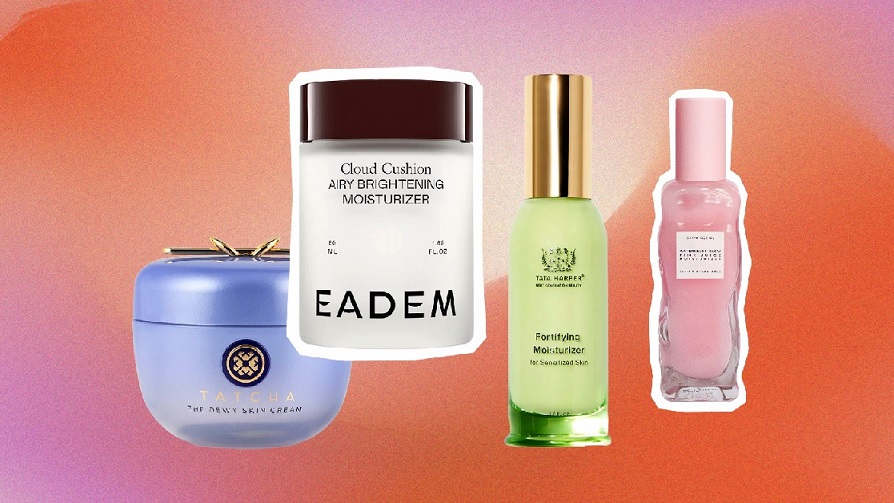
If you have oily skin, selecting the right oily skin moisturizer is vital to maintain a balanced complexion. Unlike heavier, oil-based moisturizers that can clog pores and contribute to breakouts, oil-free moisturizers provide hydration without adding excess oil. These moisturizers help regulate your skin’s sebum production while keeping the skin soft, smooth, and properly hydrated.
Layering Your Skincare Routine
Properly layering your skincare products is crucial to ensure that each one absorbs effectively without interfering with the others. Start with lighter products and work your way up to thicker formulations.
The Right Order of Application
- Cleanser: Begin with a gentle, oil-free cleanser.
- Toner: Apply a balancing toner.
- Serum: Use an acne-fighting or hydrating serum.
- Moisturizer: Follow up with your oil-free moisturizer.
- Sunscreen: Finish with a non-greasy sunscreen.
Cleansers and Oil-Free Moisturizers
The cleanser you choose should remove excess oil and dirt without stripping the skin of its natural moisture. Pairing your oil free moisturizer with a suitable cleanser is the first step to effective oil control.
Best Types of Cleansers for Oily Skin
- Gel-based cleansers are effective at removing oil without drying out the skin.
- Salicylic acid-based cleansers help prevent acne by exfoliating the skin and clearing pores.
Serums and Oil-Free Moisturizers
Serums are lightweight, concentrated formulas designed to target specific skin concerns. If you have oily skin, you should choose a serum that addresses oil control or acne.
Choosing a Serum to Pair with Your Oily Skin Moisturizer
- Niacinamide serums help reduce oil production and even out skin tone.
- Salicylic acid serums work well for acne-prone skin.
- Vitamin C serums brighten the skin without causing oiliness.
Sunscreens and Oil-Free Moisturizers
Protecting your skin from UV damage is essential, even if you have oily skin. However, traditional sunscreens can often be greasy or pore-clogging. Thankfully, there are lightweight, oil-free sunscreens designed for oily skin.
Protecting Without Adding Extra Shine
Look for sunscreens labeled “non-comedogenic” and “oil-free.” These will provide sun protection without exacerbating your skin’s oiliness.
Exfoliants and Moisturizers for Oily Skin
Exfoliation helps remove dead skin cells, but when combined with an oily skin moisturizer, it can reduce excess sebum while promoting clearer, smoother skin. Be cautious, though, as over-exfoliating can strip the skin and trigger more oil production.
Incorporating Exfoliants Safely
- Chemical exfoliants like AHAs or BHAs are gentle and effective.
- Physical exfoliants should be used sparingly, as they may irritate oily skin.
Masks and Oily Skin Moisturizers
Face masks can deeply hydrate, detoxify, and balance oily skin. When used in conjunction with an oil-free moisturizer, they help to lock in hydration without clogging pores.
Hydrating Masks that Complement Oil-Free Moisturizers
- Clay Masks: Absorb excess oil while still allowing for hydration.
- Sheet Masks: Often infused with hydrating ingredients like hyaluronic acid, these provide moisture without leaving skin greasy.
Overnight Treatments and Oil-Free Moisturizers
Nighttime is when your skin does much of its repair work. If you’re using an oily skin moisturizer, consider pairing it with an overnight treatment or mask to allow deeper hydration and healing while you sleep.
Maximizing Night-Time Hydration
- Look for overnight gels or masks that are hydrating but won’t clog pores.
- Consider products with retinol or peptides that work overnight to improve skin texture.
Special Considerations for Sensitive Oily Skin
Oily skin can sometimes be sensitive, especially when using harsh products. In these cases, it’s important to pair your oil-free moisturizer with calming, non-irritating ingredients.
How to Soothe While Controlling Oil
- Choose soothing agents like chamomile, calendula, or aloe vera.
- Avoid products with high alcohol content, which may exacerbate sensitivity.
Signs You’re Pairing Products Wrong
Sometimes, even with the best intentions, products can interact in ways that harm your skin. If your skin feels irritated, dry, or excessively oily, you may need to reassess your product combinations.
Troubleshooting Skincare Mistakes
- Overusing exfoliating products can dry out your skin.
- Pairing too many actives, like retinol and vitamin C, can irritate the skin.
\
Conclusion
Creating the perfect skincare routine for oily skin involves more than just picking the right oily skin moisturizer. It requires understanding how various products work together to balance hydration, control oil, and prevent breakouts. By carefully choosing the right cleansers, serums, sunscreens, and exfoliants, you can create a routine that keeps your skin clear, fresh, and glowing without excess shine.