How To Refresh Your Car’s Interior Like a Pro
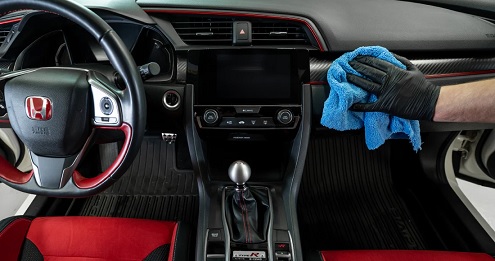
Your car’s interior is more than just a space to sit—it’s where you spend hours commuting, road-tripping, or running errands. Over time, dust, odors, and daily wear can turn that space from comfortable to cluttered. Refreshing your car’s interior doesn’t always require professional detailing; with the right steps, you can restore freshness, improve air quality, and make your drive more enjoyable all year long.
Whether you’re dealing with lingering smells, faded upholstery, or stubborn dirt in hard-to-reach areas, a deep interior clean keeps your car looking sharp and helps preserve its value. Here’s how to tackle interior maintenance like a pro and keep your cabin in top condition through every season.
Interior Maintenance Tips for Every Season
The best way to keep your interior looking and smelling new is to make cleaning part of your regular maintenance routine. Just as you check your car thermostat to regulate your vehicle’s engine temperature, you should also regulate the “temperature” of your cabin environment with consistent care. Seasonal changes bring different challenges—summer heat bakes in odors, winter moisture promotes mildew, and spring pollen clogs filters.
Start with a thorough declutter. Remove any trash, old receipts, or forgotten items that may have accumulated under seats or in door pockets. Emptying your car creates a blank slate and makes cleaning easier. Next, vacuum everything—carpets, floor mats, seats, and crevices. Use a crevice tool to reach tight spaces around the console and between seat cushions.
If your vehicle has fabric seats, treat them with an upholstery cleaner to lift embedded dirt and stains. For leather interiors, use a pH-balanced leather cleaner and conditioner to prevent cracking or fading. Conditioning leather every few months helps maintain flexibility and prevents discoloration from UV exposure.
Clean plastic and vinyl surfaces with a microfiber cloth and an interior-safe cleaner. Avoid products with harsh chemicals that can leave greasy residues. Wipe down the dashboard, steering wheel, cupholders, and vents. For vents, use a small brush or compressed air to remove trapped dust—this helps improve airflow and air quality inside your cabin.
Don’t forget your windows and mirrors. Use an ammonia-free glass cleaner to avoid streaks, especially on tinted windows. Clean both the inside and outside for maximum clarity.
Floor mats are often the dirtiest part of your interior. Remove them, shake out debris, and wash them with soap and water. Rubber mats can be scrubbed easily, while carpeted mats may require a wet vacuum or carpet cleaner. Make sure they’re fully dry before reinstalling to prevent mildew growth.
Your cabin air filter also plays a huge role in maintaining a clean, comfortable interior. Replace it every 12,000 to 15,000 miles, or more often if you drive in dusty environments. A clean cabin filter traps allergens, dust, and odors before they enter your vehicle’s ventilation system—something many drivers overlook.
Enhancing Air Quality and Comfort on the Road
A fresh-smelling, comfortable cabin isn’t just about appearances—it directly affects how pleasant and safe your driving experience feels. Poor air circulation, stale odors, or a weak A/C system can make long drives uncomfortable and even impact your concentration. Maintaining your HVAC system is key to keeping the air clean and the temperature comfortable year-round.
Your car’s A/C system depends on refrigerant to cool the air. If the air isn’t blowing cold, you might be low on r134a refrigerant—the most common type used in modern vehicles. Over time, small leaks or natural evaporation can reduce refrigerant levels, making the system less efficient. Recharging the refrigerant restores cooling performance and keeps the interior comfortable during hot months.
If your A/C is blowing warm or has a musty smell, clean the evaporator and vents with an antibacterial spray designed for automotive systems. Mold and mildew can grow inside the ventilation system, especially if condensation isn’t draining properly. Running your defroster periodically can also help dry out excess moisture and prevent odor buildup.
Air quality also depends on keeping contaminants out of your car in the first place. During pollen-heavy months, keep windows closed when driving through dusty or rural areas. For smokers or pet owners, using an ozone generator or activated charcoal odor eliminator can neutralize stubborn smells that traditional air fresheners only mask.
Regularly wipe down high-touch areas like the steering wheel, gear shifter, and door handles. These surfaces accumulate oils and bacteria over time, especially in warm weather. A disinfectant interior cleaner or alcohol-based wipe helps keep these areas sanitary.
In winter, focus on keeping moisture under control. Snow, rain, and salt can track into your vehicle and soak into carpets. Use rubber mats to contain moisture, and check for leaks around door seals. Running the heater or defroster occasionally helps dry out the interior and prevents foggy windows.
If you notice your car’s heater isn’t working as it should, it could indicate a problem with the thermostat or heating core. Just as you’d address a cooling issue promptly, fixing heating problems ensures comfort during colder months and prevents engine strain.
Sometimes, even the best DIY cleaning can’t solve underlying issues. If you notice weak airflow, unusual noises, or persistent odors coming from your vents, it’s wise to schedule an inspection at a mechanic shop near me. A professional can check for deeper HVAC problems, replace filters, and perform system flushes to keep everything running at peak efficiency.
Additional Tips for a Professional Finish
- Use UV protectant: Apply a UV-blocking interior dressing on your dashboard and door panels to prevent fading or cracking from sunlight exposure.
- Detail with care: For stubborn stains, use a steam cleaner to lift grime without soaking fabrics. Steam cleaning also helps disinfect surfaces.
- Eliminate odors: If your vehicle still smells after cleaning, place an open box of baking soda or activated charcoal under the seat to absorb lingering odors naturally.
- Pay attention to the trunk: Clean and vacuum the trunk to prevent mildew or odor buildup from spills, groceries, or stored items.
Finally, make cleaning a habit. Setting aside time once a month to vacuum, wipe surfaces, and replace air fresheners helps maintain that “like-new” feeling all year long.
Final Thoughts
Refreshing your car’s interior isn’t just about aesthetics—it’s about creating a healthier, more enjoyable driving environment. From replacing your cabin filter and recharging your refrigerant to cleaning surfaces and checking your thermostat, small steps make a big difference in comfort and air quality. By maintaining a clean, well-ventilated cabin and addressing seasonal needs, you’ll drive in a fresher, more relaxing space—one that feels brand new every time you start the engine.