How to Plan a DIY Annapurna Circuit Trek
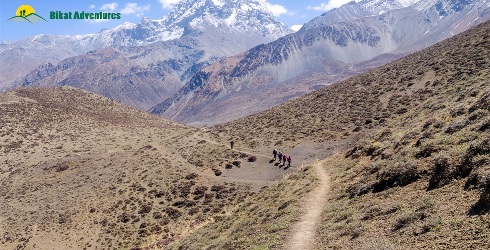
The Annapurna Circuit isn’t just a trek — it’s a trek through the heart of the Himalayas, where snow-dusted peaks, chattering prayer flags, and millennia-old stone villages make up a storybook landscape that gradually unfolds with every step. It’s a place where natural beauty and centuries-old culture meld together, where around every twist of the trail is yet another fantastic world — dense subtropical jungle or foaming waterfall; ice-soaked pines or high-desert loveliness — the sanctuary ringed by some of the greatest respites from this planet (including Annapurna I and Dhaulagiri) with Machapuchare’s fishtail summit simply floating above its clouds.
The Annapurna Circuit has long been kind of a test of independence, an ultimate solo trek., It also feels dated and romantically resonant in the age of adventure wingsuit BASE-jumping yoga lifestyle GoPro Instagram envy tourism. While the romantic notion of walking entirely alone may have been extinguished a little over the previous several years (as of 2023, visitors to Nepal will need a guide and support after trekking regulations there or elsewhere may be reviewed), DIY treks continue to burn brightly. You can take control of your own logistics, pace, and itinerary while planning, with a guide for safety and cultural awareness that might just help one group connect with the other in a way very few places on this planet do.
The New Reality: Hiking Rules in Nepal
As soon as you land in Kathmandu (or Pokhara), it is important to be aware of the new rules. Starting in March 2023, everyone hiking. within a national park or conservation area (like the Annapurna Conservation Area), whether a foreign visitor or a Nepali, should use a registered guide issued by an approved Nepali trekking business That transition, in an effort to enable more secure and more effective search-and-rescue operations, successfully marks the gendof a generation wherein buyers were speculated to be strictly solo trekkers.
But that doesn’t make your hike a package tour. You’re still the boss of your itinerary, cutting it at your own pace and direction. The guide is your mountain buddy, not your boss — the local expert to steer (and translate) and, perhaps most importantly, handle any emergencies at these elevated and unforgiving elevations. A guide will run you around $25–35 USD a day, a pittance for keeping your ass safe and bettering the odds of getting some truly authentic cultural experiences in the process.
Permits and Paperwork: What You’ll Need
To trek lawfully in the Annapurna areas, you will require two permits. Then there’s the Annapurna Conservation Area Permit (ACAPs), designed to preserve the environment, and costs about $30 USD. Second Card is TIMSTrekkers’ Information Management System) The car, whose cost is $10-$20 USD, is said to be monitored for the sake of security.
The paperwork is taken care of by your provider/guide, but make sure you bring a passport (and some passport-sized photos) and proof of travel insurance – not just any insurance: it must clearly state that you are covered for high-altitude trekking and emergency helicopter evacuation. Make sure to get these permits in either Kathmandu or Pokhara before heading up to the trailhead.
“Go with the Flow” When Planning Your Perfect Itinerary
A traditional Annapurna Circuit trekking itinerary includes 14-21 days of trekking; however, the beauty of DIY is that it’s totally customizable! Once above 3,000 meters, keep to an increase of no more than 300–500 meters a day and take full rest days – especially at Manang (3,540 meters). Take this day to also acclimatize by going for a hike up either Ice Lake or Gangapurna Lake and following the “hike high, sleep low” policy of preventing Acute Mountain Sickness (AMS).
The pièce de résistance of the trek — and its biggest test — is Thorong La Pass (5,416m). There’s a long, stiff climb through the hollow, wind-blasted saddle, one often tackled from pitch-black pre-dawn on the trail up to Thorong Phedi or High Camp. But then comes the reward: an open panorama of Himalayan giants sprawled below a storm-clear sky.
Best Seasons and Physical Prep
In the Himalaya, as everything is about timing. Physically, this trek demands respect. So put it on, load it up: Training plan Start training 6 – 8 weeks out, work on your cardio, build strength in your legs, and get some long hikes under the belt with a partially loaded backpack. How fit you are, in other words, will be directly connected to how well (or badly) you enjoy those high-altitude days once you get there — not just whether or not you’ll survive them.
Trekking Budget: Smart Spending
And there’s a way to keep prices down, if you go DIY. A practical Annapurna circuit trek 14-day budget would range from $35-$55 a day, depending on your choice. That includes teahouse accommodation, three meals, and hot drinks as well as your share of the guide’s pay.
Teahouse lodging runs $5 to $10 a night, with lower rates if you take all your meals there. So really, meals—lots of energy-dense dal bhat, soup, and Tibetan bread – are more towards $20-30 a day. Include the price of permits ($50), and allocate more for optional indulgences such as Wi-Fi, hot showers, or device charging — all increasingly expensive as you ascend higher.
There are no ATMs after Chame or Besisa, and the one in Jomsom is very unreliable at best. Withdraw sufficient Nepali rupees in Pokhara or Kathmandu and a few backup U.S. dollars.
Headlamp with extra batteries
Purifier(g): Upon request, with a tering device or system, e.g.. filter, UV purifier, or tablet, and a GPS app like Maps. And a physical trail map.
You won’t have to carry a tent or cooking kit; this is teahouse trekking, where every village will welcome you with shelter, food, and warm smiles.
Teahouse Culture: Wherever You Lay Your Head is Home
Most evenings you’ll be staying in a teahouse: cosy mountain homes run by local Gurung, Tamang, or Manangi families. Rooms have no frills to speak of, with dormitory-style walls but shared bathrooms, but meals and tea are hot in the land of permafrost, and warmer still is the camaraderie.
Wi-Fi, electricity, or a hot bucket shower will be “additional” or “extras,” especially once elevations climb above around 3,500 meters. In peak season, it is wise to check in and settle in your accommodation earlier than the early afternoon so you can get a bed, if you are at one of the smaller stops such as Thorong Phedi or Yak Kharka.
It will always pay to be grateful, polite, a nd appreciative of the local ways. A polite namaste, a smile, and removing your shoes before you step in go a long way.
Mountain spirit High-altitude safety: The mountain is talking, are you listening?
There is nothing more important than altitude awareness. (AMS can affect anyone, however fit. These are headaches, nausea, dizziness, and insomnia. If you have any of these symptoms, don’t ascend or descend immediately.
Your guide will look after your health, but you are the best judge. Drink lots of water, eschew alcohol, and take things slowly — as the local mantra goes: “bistari, bistari” (slowly, slowly). Talk to your doctor about taking Diamox as prophylaxis and think about packing a pulse oximeter if you’re particularly nervous.
Final Thoughts: The Trek Spirit
The Annapurna Circuit Trek is not just about reaching Thorong La; it’s about finding your rhythm through time-worn villages and under some of the tallest mountains on earth. The route is different — regulations have developed — but the spirit remains: a high-adrenaline immersion in one of the world’s most stunning landscapes.
Your self-guided Annapurna Circuit trek will be tough. It will humble you. And it will return the favor in ways that few other endeavors can. Train well, walk with reverence, and let the Himalaya upraise what is possible.