How to Fit the Best Dog Harness with a Handle for Maximum Comfort
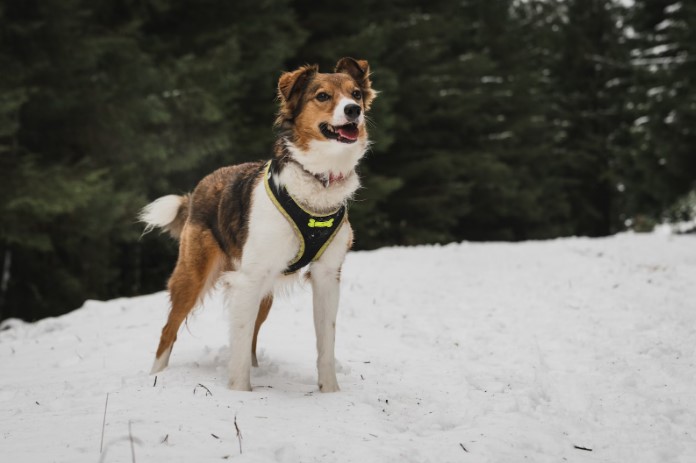
Getting your dog accustomed to a new harness doesn’t have to be a wrestling process. You’ll be able to make your loyal canine friend secure and comfortable on walks, during training, and on excursions with a gentle approach and the best dog harness with a handle. The proper fit between a happy hound and a frustrated pet parent is paramount.
Most dog people have issues with fitting a harness, and that leads to chafing, breakaways, or unwanted behavioral changes. The great thing is that once you get a handle on the fundamentals, fitting a harness becomes a habit. The dog will enjoy the comfort, and you’ll adore the increased control and safeties.
Why Harnesses are Better than Collars
Standard collars exert force directly on the dog’s neck and may lead to severe health issues in the long run. When in pulling motion against collars, force becomes localized on their cervical spine and trachea and may result in breathing issues or neck damages.
Harnesses spread force across the chest and shoulders of your dog and lower pressure on vulnerable spots. The design is especially ideal for a dog that has a breathing problem, a neck condition, or a pulling tendency. The feature that comes with a handle provides another means for ensuring that you are more in control in times of emergency, without causing extra strain on the pet’s neck.
Dogs that are comfortably seated in a well-fitted harness are going to be less likely to pull since the pressure distribution feels more normal. The walks are a delight for both of you and safeguard your dog’s physical well-being.
Fitting a Harness for the First Time
Begin by allowing the dog to get used to the harness without putting any effort into putting it on. Put the harness on the floor and let them scent and explore. This minimizes anxiety and establishes a favorable impression towards the unfamiliar gear.
For step-in harnesses, lay the harness on the ground with the chest plate up. Put the dog’s front paws in the slots, and lift the rear piece over their shoulders and snap on the clips. For overhead harnesses, put the harness on over the dog’s head first, and put their forelegs in the holes.
Position the chest strap that you would be able to fit two fingers between the body of your dog and the harness. The harness should be snug against their chest without restricting movement or breathing. Make sure that the handle is centered comfortably on their back without making the harness be pulled taut across their shoulders.
Look for signs that a dog is uncomfortable such as extreme scratching, immobility, or variations in breathing. They mean that the harness has to be set differently or that it is the wrong size for a dog.
Don’t Worry – It’s Easy
Remember that most dogs need to adjust to wearing a harness. Acclimatize them first for short times indoors before taking them outside. Reward your dog with praise and treats for remaining calm while he has the harness on.
If the dog appears uncomfortable or attempts to wriggle out of the harness, don’t push him. Take the harness away and have another go later with a fair amount of reinforcement. Some dogs are able to tolerate wearing the harness for a few minutes to begin with and build up the time as they get more at ease.
Rotate the fit frequently as the dog becomes bigger or if the weight increases. The ideal fit one day might be too tight or loose a couple of months later, particularly for dogs that are growing or on weight reduction plans.
Finding Our Ideal Fit
When you purchase the ultimate dog harness with handle and make the effort to ensure a great fit, you invest in a happy and protected dog. The correctly fitting harness changes stressful battle walks into bonding times.
Get measurements prior to buying, use manufacturer instructions, and keep in mind that patience during the transition pays dividends. Your dog will quickly grow accustomed to associating their harness with fun expeditions, meaning subsequent fitting times are a cakewalk.