How Snow And Ice Lead To Dangerous Slip And Fall Accidents
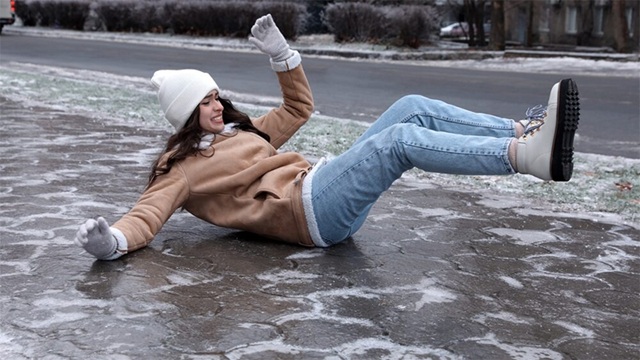
Winter can be beautiful. But snow and ice often create hidden hazards. These elements turn sidewalks and driveways into slippery traps. You might think you’re careful, but even a moment’s inattention can lead to a fall. The consequences can be severe, impacting your health and peace of mind. Understanding how snow and ice contribute to these accidents is crucial. It helps you avoid potential risks and maintain safety. You don’t want to find yourself recovering from a preventable injury. Unfortunately, accidents do happen, and when they do, it’s important to know your options. Consulting with an ice slip and fall lawyer can provide guidance if you’re injured due to unsafe conditions. With their help, you can navigate the complexities of liability and compensation. Learn more about how these icy conditions cause accidents and what you can do to protect yourself and others. Stay safe this winter.
Why Snow and Ice Are Dangerous
Snow and ice can create deceptive surfaces. Many factors combine to make winter walkways risky. Ice can form quickly and become almost invisible. Snow can cover uneven surfaces, hiding potential trip points. In addition, melting snow can refreeze, creating a slick surface. These changes can happen in a matter of hours, taking even the most cautious individuals by surprise.
According to the Centers for Disease Control and Prevention (CDC), falls are a leading cause of injury in the winter months. The data shows an increase in slip and fall accidents during periods of freezing temperatures. These incidents often result in serious injuries, including fractures and head trauma. Comparing data from various seasons reveals a clear spike in incidents during the cold months. It’s a reminder of the importance of taking precautions.
Preventing Slip and Fall Accidents
Preventing these accidents starts with awareness. When you know the risks, you can take action to avoid them. Here are three simple steps to protect yourself and your family:
- Wear Appropriate Footwear: Choose shoes with good tread. Avoid smooth soles that offer little grip on icy surfaces.
- Clear Walkways Regularly: Shovel snow and apply salt or sand to walkways. This reduces ice formation and increases traction.
- Pay Attention to Your Surroundings: Look ahead and watch for icy patches or uneven surfaces. Slow down and take small, careful steps.
Comparing Injury Statistics
| Month | Slip and Fall Incidents | Injury Rate |
|---|---|---|
| January | 1,200 | High |
| April | 400 | Low |
| July | 250 | Very Low |
| October | 600 | Moderate |
This table shows the seasonal rise in slip and fall incidents. As you can see, there is a significant increase during the winter months. It highlights the need for vigilance during this time.
What to Do if You Fall
If you do fall, it is important to remain calm. First, check for injuries. If you experience severe pain, call for help. Avoid trying to get up too quickly as this can worsen injuries. If you are in a public place, notify the property owner or manager. They should document the incident and address any hazards.
Seeking medical attention is crucial. Even if injuries seem minor, a healthcare professional can assess your condition. According to the National Institute of Health (NIH), prompt treatment can prevent complications and aid recovery.
Legal Assistance After a Fall
If your fall occurs due to negligence, you may have legal options. An ice slip and fall lawyer can help you explore these options. They provide clarity on issues of liability and compensation. Understanding your rights can make a big difference in recovery.
In conclusion, snow and ice demand respect and caution. Awareness and preparation are key to staying safe. By taking preventive measures, you can enjoy the beauty of winter without the danger. Stay safe and protect those you care about by staying informed and proactive.