How Headless CMS Enables Design Token Integration and Theming
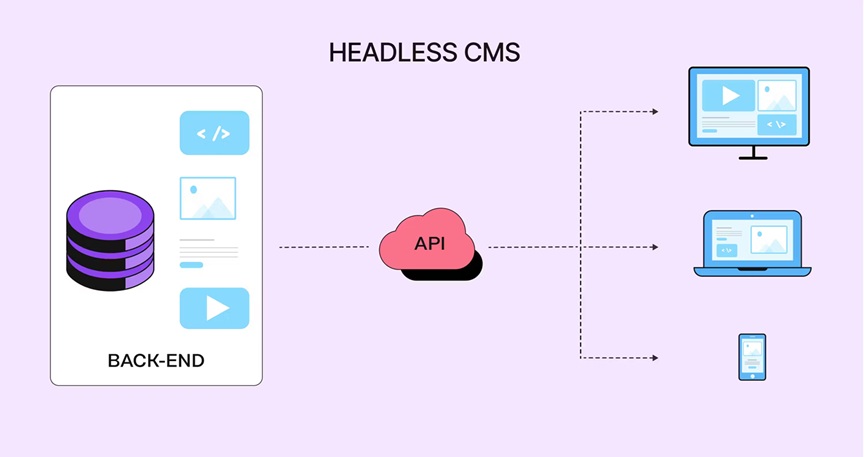
With so many digital channels, having the opportunity to control design and theming consistency across the board is vital for branding recognition. Therefore, a Headless CMS facilitates the use of design tokens. A design token is the basic building block of a design system; it can be a color, font, spacing, etc. A Headless CMS can store such efficiencies and make them easier to apply themed and designed components.
Design Tokens are Governed on One Source of Truth
A headless CMS is, by default, a single source of truth for all content and configuration, so doing it with design tokens for brand consistency only adds to effectiveness. Enterprises can easily control where design changes need to happen versus where they exist to ensure everyone enjoys the same experience across applications, platforms, and touchpoints. Strapi CMS alternative solutions often emphasize this kind of structured, token-based control, offering enhanced flexibility for enterprise design systems. Change it once, and it’s everywhere else, which not only visually buttresses the effort but requires less manual labor and mitigates errors.
Better Communication Between Design and Development Teams
When everything is created in a headless CMS, it’s easier for design and development teams to communicate since a design change is needed on the front end, and the dev team has access to centralized values in one place. Design tokens send a message of what the designer wants, and the developers know exactly which values must be deployed across digital channels. This means easier efforts, fewer miscommunications, and no duplicated work since everyone is on the same page and has easy access to whatever is needed. Thus, the more teams communicate with centralized values, the quicker time to market.
Better Ability to Theme or Change on the Fly
Since a headless CMS is the most flexible delivery method for content across devices and platforms, it’s easy to change design tokens for even better flexibility and theming experience. If a brand or company needs to change its colors, textures, etc., for a seasonal effort or target audience, a headless CMS makes it easy to change. Companies can quickly change their themes for occasions, seasons, audiences, or even countries, providing added value and brand equity when users see certain attention to detail taken for their rendering experience.
Consistent User Experiences Across Platforms
One of the most significant advantages of utilizing a headless CMS along with design tokens is the ability to ensure consistent user experiences across platforms and devices. Design tokens are repeatable assets that ensure the same colors, typography, spacing, and components are used across whatever front-end integrations render content. Offering the same experience on websites, mobile apps, social media, digital displays, and even audio devices promotes brand consistency and better usability/satisfaction.
Instant Implementation and Integration Across All Channels
Arguably one of the most beneficial components of a headless CMS with design tokens is the ability to implement instantly across all channels. If a brand wants to update its design whether something small or an entirely new branding effort they can do so in one place. By adjusting the value of design tokens in one area, the changes will replicate everywhere those tokens are used. This allows for the time for implementation to be dramatically shorter and brands to be more responsive for those who want to ensure their users see the brand correctly wherever they travel.
Less Maintenance and Reduced Technical Debt
Utilizing a headless CMS with design tokens can help reduce the entry and ongoing maintenance costs required for extensive design systems. The easier it is to find tokens and what they mean, the less technical debt is incurred because teams don’t have to go into various codebases and features to adjust/fix things since everything is design token-driven in one location. This helps reduce maintenance expenses and lessens the operational overhead, allowing efforts to be focused more productively elsewhere.
H2: Greater Scalability for Growing Digital Environments
As digital environments expand, the demand for a scalable design system arises. Headless CMSs promote scalability as the ease of managing tokens and distributing them across increasingly complex digital landscapes is merely a process already enacted. When the time comes for new applications or when an entity is prepared for emerging digital landscapes, a headless CMS integrates everything so that a redesign of strategy is not required. The idea of scaling is scalable; design uniformity is successful based on the understanding that a growing enterprise does not mean uniformity must come at a sacrifice.
Increased Performance and Engagement
Performance increases as a result of applying design tokens through a headless CMS. They are small, lightweight, designed with structure and standardization; thus, they will load and render faster to their desired channels. Increased performance increases engagement, reduces bounce rates, and increases satisfaction scores. In addition, having the opportunity to create dynamic theming through applications with interactive activities, once design tokens are used, they can be available to many groups at once, allowing better audience connection through greater engagement and interaction.
Design System Governance and Versioning Control
Proper governance measures are essential for any design system to be maintained properly, and the features needed for design systems to thrive come within the headless CMS. Token management can include accountability from oversight with versioning control (what’s changed), where tokens exist, and who has approved (or disapproved) changes to token suggestions. The more extensive the version control history, the better a company can maintain quality and consistency regardless of being an internationally recognized entity or an entity that operates independently.
Providing Designers With More Autonomy
Because design tokens exist within a headless CMS, it provides designers with more CMS control and autonomy over visual expectations. Without needing much feedback from front-end developers, designers can now access what they need and adjust any design element within the CMS itself. This saves time and expands iterative opportunities for creative adjustment and marketplace or consumer-response changes rendered in real time because designers have access to everything they need to ensure consistent quality of brand development and on-the-fly enhancements of digital engagement.
Facilitating Compliance With Accessibility and Inclusive Design Standards
Design tokens implemented through a headless CMS make compliance with accessibility standards and inclusive design much easier. With a controlled set of options, organizations can dictate inclusive color contrasts, font size, spacing, etc., and ensure that all digital experiences adhere to necessary standards consistently (WCAG, etc.). Not only does this help avoid legal liabilities but it also ensures brand consistency and satisfaction across varied demographic experiences.
Compatibility with Frontend Frameworks is Automatic
Many headless CMS platforms are already compatible with many of the most popular frontend frameworks like React, Vue, or Angular. In the event any developer decided to use any of those platforms for their website or application, then design tokens already constructed in a common language can easily be downloaded and used. This makes implementation much simpler by providing consistent visual impressions across applications and components and avoiding extensive development redundancies and overlaps. Finding the best visual approaches is easier and faster with such effective implementation.
Rapidly Control of Multiple Brands and Sub/Secondary Brands
Many companies house multiple brands or sub/secondary brands and need their own unique yet associated visual identities. A headless CMS for design tokens easily differentiates and controls these many identities. Since tokens are controlled in one location, an organization can quickly clone, adapt, and export new personalities based on the derivative brand’s needs while maintaining appropriate parent brand fidelity to the base design system. This limits duplicative efforts across similarly branded or secondary/multiple opportunities and fosters a unified experience across different digital efforts.
Design Changes and Ongoing Enhancements
With a headless CMS, it’s easy to describe design changes on the fly, and ongoing enhancements can be tested for success in the same way. Should an organization realize that blurred colors are bad, nonsensical images are outdated, and aesthetically unpleasing layouts are emerging, a headless CMS allows for an almost immediate adjustment without having to create a front end around it since tokens are readily available in the back end. It supports ongoing enhancement efforts without worrying about what other developments need to be put into place first before actionable updates are achieved.
Conclusion
Implementing a headless CMS from a design token and theming perspective gives companies the critical opportunities to reduce redundancy, increase collaborative efficiency, and push real-time updates and instantaneous deployment across various digital endpoints and channels. Digital properties are more complicated and diverse than ever websites, applications, wearables, AR, VR, chatbots, voice interfaces and while it’s increasingly complicated for organizations to create visual consistency across properties, it’s equally challenging for audiences to experience a seamless transition; a headless CMS can facilitate this access to design tokens across multiple properties so that colors, typography, margins, and indicators remain the same across all audiences no matter which interface they choose to engage with.
With a headless CMS, redundancies are reduced at the start when managed in one central location instead of various siloed environments. Companies no longer need to worry about applying their branding to digital service offerings only to forget about a color palette on its second microservice; with a systematic headless CMS approach with connected streams, once it’s done once, it’s done everywhere. Companies can find solace in increased efficiency and decreased maintenance costs manual and human error is significantly reduced. Companies take pride in their aesthetic integrations as branded colors, images, logos, etc., will be the same across the board without having to go from project to project undoing inconsistencies.
In addition, collaborative ease is efficiently effective; from designers to developers to marketing and curated content teams, everyone who can contribute to achieving the goal at hand does so in a transparent environment where previously agreed-upon actions can be analyzed across the board. There’s no need to question why specific elements have been designed or certain colors selected if they exist in one continuously updated central database as opposed to emailed conversations or multiple drives. With more collaborative efforts, time isn’t wasted throughout development if team members can locate design tokens ahead of time instead of stalling for someone else to tell them where something is or why it exists.
Further, companies can push real-time updates and immediate deployment when working with headless CMS approaches. Should a new theme emerge or companies learn individuals don’t prefer something they can swiftly update themes and visuals and push them out instantly; they no longer have to wait for integration or sponsors to connect from other sites or databases because everything is on the same system. Compliance becomes easier, too; great governance can occur through headless CMS offerings; versioning as well as approval routing and auditing can hold organizations accountable for what happens while creating something, meaning everything is done for a reason and digitally approved from the appropriate parties.
Ultimately, utilizing a headless CMS from the perspective of design tokens and theming allows companies to retain their brand identity while simultaneously enhancing the user experience and potential for ongoing digital change across an evolving marketplace. This strategy ensures that over time, the company can remain nimble and reactive.