Common Mistakes To Avoid After A Car Crash

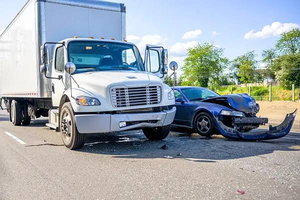
A car crash can crush your sense of safety in one instant. You may feel scared, angry, or numb. In that moment, small choices can protect your health and your rights. They can also hurt your claim if you are not careful. This blog explains common mistakes people make after a crash. It also shows simple steps you can take instead. You will learn what to say, what to write down, and when to stay quiet. You will see why a quick apology, a rushed social media post, or a late medical visit can cost you money and support. You will also understand when to talk with Bellevue personal injury attorneys about your case. Every choice after a crash matters. You deserve clear guidance that cuts through fear, pressure, and confusion.
Mistake 1: Not Calling 911 Or The Police
Many people try to handle a crash on their own. They may feel pressure to move on fast. That choice can haunt you later.
Always call 911 if anyone feels pain. Also call the police for any crash with damage. A police report records key facts while memories stay fresh. Insurance companies often ask for that report. Courts look at it as well.
According to the National Highway Traffic Safety Administration, millions of crashes happen each year. Many involve hidden injuries. A short call can create a record that protects you and your family.
Mistake 2: Skipping Or Delaying Medical Care
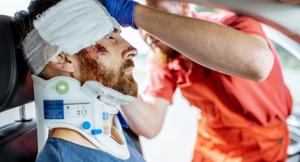
You may feel fine right after the crash. Shock can hide pain. Neck, back, and head injuries often show up hours or days later.
Always see a doctor as soon as you can. Visit an emergency room, urgent care, or your own doctor. Tell them every symptom, even mild ones. Ask for copies of records and test results.
When you wait, an insurance company may claim your injuries came from something else. A quick visit protects your health. It also links your pain to the crash in clear records.
Mistake 3: Admitting Fault Or Saying “I’m Sorry”
Many people say “I’m sorry” out of habit. Others guess who caused the crash before they know all the facts. Those words can hurt your claim.
Stay calm and polite. Exchange names, contact details, license numbers, and insurance information. Answer police questions with short, honest facts. Do not guess. Do not argue. Do not blame yourself or the other driver at the scene.
Later reviews of road signs, skid marks, cameras, and phone records may tell a very different story. Let evidence speak. Your job at the scene is safety and facts.
Mistake 4: Failing To Collect Evidence
Small details at the scene can hold great power later. Weather changes. Cars get moved. Witnesses leave.
If you can move safely, gather:
- Photos of all vehicles from many angles
- Close photos of damage and license plates
- Pictures of road signs, signals, and skid marks
- Names and phone numbers of witnesses
- The other driver’s insurance and contact information
Also write down what you remember. Note the time, place, speed, and traffic. Short notes right away often carry more weight than long stories much later.
Mistake 5: Posting About The Crash On Social Media
Many people share every event online. That habit can poison a claim. Insurance companies and defense lawyers often search public posts.
A single photo or comment can be used against you. A smiling picture may be used to argue you do not hurt. A short joke may be twisted into an admission of fault.
Stay off social media about the crash, your injuries, and your case. Ask close family to do the same. Silence online protects your story.
Mistake 6: Talking To Insurance Companies Without Care
An insurance adjuster may sound warm and helpful. The adjuster still works for the company, not for you. Early calls often aim to limit what the company pays.
Common risks include:
- Giving recorded statements when you feel shaken
- Guessing about injuries before doctors finish their work
- Accepting quick low offers before you know the full cost
You can share basic facts like your name, contact information, and policy number. You can also say you will provide more details after you speak with a lawyer. This simple step protects your rights without picking a fight.
Mistake 7: Underestimating Long-Term Costs
Many people focus only on the first repair bill or first clinic visit. Crashes often bring long tails of cost. You may face repeat visits, physical therapy, lost work, and help with child care or house tasks.
The Centers for Disease Control and Prevention reports that crash injuries create huge medical and work loss costs across the country. You can view related data at the CDC transportation safety page. Your own costs may grow over months or years.
Keep track of:
- Medical bills and receipts
- Prescriptions and medical devices
- Time missed from work and lost pay
- Travel costs for treatment
These records show the real impact on your life.
Sample Timeline: Care And Reporting After A Crash
| Time After Crash | Key Actions | Common Mistakes To Avoid |
|---|---|---|
| First 0 to 2 hours | Call 911. Move to safety if you can. Get medical help. Call police. Take photos. Exchange information. | Leaving the scene. Skipping the police report. Saying “I’m fine” when you feel pain. |
| First 24 hours | See a doctor. Notify your own insurance. Start a written record of symptoms and events. | Delaying care. Giving long recorded statements. Posting about the crash online. |
| First week | Follow medical advice. Save bills and receipts. Consider speaking with a lawyer. | Ignoring treatment plans. Accepting quick settlement offers. Throwing away paperwork. |
Mistake 8: Waiting Too Long To Seek Legal Help
You may hope problems will settle on their own. Time limits apply to injury claims. Evidence fades and witnesses vanish. Quick legal guidance can protect you from missed deadlines and unfair pressure.
A lawyer can explain your rights in clear terms. The lawyer can speak with insurance companies for you. The lawyer can also help you measure the full cost of the crash, not just the first bills.
Key Takeaways You Can Use Today
After a car crash, focus on three things.
- Protect your body. Call 911 when needed and get medical care fast.
- Protect your story. Call police, gather evidence, and stay off social media.
- Protect your rights. Be careful with insurance calls and seek legal help before you sign anything.
You cannot erase the crash. You can still shape what happens next with clear, steady choices that guard your health, your family, and your future security.