Do Autonomous Vehicle Accident Cases Require Different Types of Evidence?
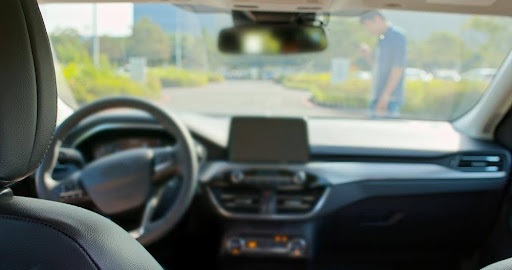
Vehicle Accident Cases Require Different Types of Evidence
Road accidents already bring confusion, but things become more layered when a vehicle is partly or fully controlled by technology. What used to be a simple question of who made a mistake now includes systems, sensors, and software decisions that happen in seconds. This shift has changed how evidence is viewed and collected in such cases.
In many situations, people assume the same set of proof used in normal crashes will be enough. That is not always true. Along with physical evidence like vehicle damage and witness accounts, there is now digital information stored inside the vehicle itself. This is where an autonomous vehicle accident lawyer often becomes important, especially when technical data needs to be understood in a legal context.
Yes, but evidence is more layered than traditional crashes
Yes, autonomous vehicle accident cases do require different types of evidence, even though traditional proof still plays a major role. The difference lies in the added layer of machine-generated data that can explain what the vehicle did in the moments before impact.
For example, consider a situation where a self-driving car suddenly brakes, and another vehicle hits it from behind. In a regular case, the focus might be on driver attention or speed. But in an autonomous system case, investigators may also look at sensor readings, onboard camera footage, braking signals, and software logs. These details can show whether the system responded correctly or failed to detect something on the road. This combination of physical and digital proof changes how cases are built.
What types of evidence are used in these cases?
Vehicle data and system logs
Evidence collection in these cases is not limited to the accident scene. It often includes vehicle data stored internally, which records speed changes, steering adjustments, and system warnings. This information helps rebuild the exact timeline of events.
External recordings and witness input
Along with internal data, external footage from traffic cameras or nearby surveillance systems can help confirm what actually happened in real time. Witness statements are also used to support or challenge what the digital data shows.
Maintenance and software records
In addition, maintenance records and software updates can also become relevant. If a system was not updated properly or had known sensor issues, that information may help explain why the vehicle behaved in a certain way. Even small technical gaps can change how responsibility is viewed.
How investigators interpret autonomous vehicle behavior
Another important part is understanding how the system was supposed to react. Autonomous vehicles are designed with specific rules for braking, lane detection, and obstacle recognition. When something goes wrong, investigators compare expected performance with actual behavior.
If the system failed to act as designed, that becomes a key part of the analysis. If human intervention disrupted the system, that also becomes relevant. This comparison helps build a clearer picture of responsibility.
Key challenges in evidence evaluation
One of the biggest issues is access to data. Much of the information is controlled by manufacturers or technology providers, which can make it difficult to obtain full records. Without complete data, it becomes harder to reconstruct events accurately.
Another challenge is interpreting technical logs. Raw data does not clearly explain the fault on its own. It must be translated into timelines and actions that make sense in a legal setting. This is often where expert analysis becomes necessary.
There is also the possibility that both human action and machine response contributed to the incident, which adds another layer of complexity in understanding responsibility.
Why do these cases need a different approach?
Unlike traditional crashes, these cases combine physical events with digital decision-making. That means responsibility is not always visible at the accident scene. It may be hidden in system behavior, software response, or sensor interpretation.
A skilled autonomous vehicle accident lawyer helps connect these different pieces so that technical data and real-world events align properly. Without that connection, important details may be missed during evaluation.
In many cases, even small inconsistencies in data can change how events are understood. Careful review of logs, sensors, and external evidence helps build a clearer timeline. This combined approach ensures nothing important is overlooked during analysis.
Final thoughts
After a car accident involving autonomous technology, evidence is no longer limited to what people saw or heard. It also includes what machines recorded, how they reacted, and whether they performed as expected. These combined layers make the investigation more detailed and more technical than traditional cases, requiring careful review of both human and system actions.
In many situations, early access to accurate data can shape how the entire case develops. Even small gaps in information or delayed retrieval of system records can affect how events are reconstructed. That is why the timely collection and careful review of every available detail becomes an important part of understanding what really happened on the road.