10 Tips to Create an Effective Dissertation Plan for Humanities Subjects

Struggling with your humanities dissertation? Follow these 10 tips to plan your research effectively in the humanities to achieve clarity, focus, and good organisation.
Ever felt confused when you have to plan your humanities dissertation? An effective dissertation plan experience can be difficult, particularly when working within the vast and diverse field of the humanities.
Whether it is literature and history, philosophy, or linguistics, these subjects involve a systematic approach. However, these subjects will make your research coherent, structured and effective. According to the University of Sheffield, a successful dissertation plan is a road map, and it will take you through every step in your project and keep you on track.
In this article, we’ll discuss the top 10 essential tips that will help you create a solid and successful dissertation plan for humanities subjects. Along with it, you will get to know about these factors by the end of this article:
- Select a specific research question to avoid scope creep and ensure depth in your analysis.
- Collect and analyse admissible research to establish a solid basis on which your research is being carried out.
- Have a clear idea of what to accomplish with your dissertation and reflect this in your research and writing.
- Break up the process and divide the dissertation into small steps and tasks to be able to stay focused and well organised.
- Disintegrate the process and split the dissertation into small actions and activities so that one can remain focused and in control.
- Devote specific time to each part of the dissertation, and realise that you are going to perform tasks that are going to be complicated.
- Question your counsellor often about what to fine-tune or rectify to get your work perfect.
Understanding of an Effective Dissertation Plan
As the University of Reading reported, a good dissertation plan does not merely require one to come up with a good research question. It is about organising your thoughts, research work, and mapping out the whole procedure. A coherent dissertation plan is the backbone of your humanities project, which provides a pathway from start to end.
But unfortunately, many students face difficulties in writing an effective dissertation due to improper guidance and insufficient knowledge. If you are also in one of them, contact The Academic Papers UK. They have expert writers who offer professional dissertation writing services in humanities subjects.
10 Tips to Create an Effective Dissertation Plan for Humanities Subjects
An effective dissertation plan plays a significant role in humanities subjects. With proper guidance and tips, you can master the art of humanities dissertation writing. Let’s discuss the top 10 tips which help you ace the secret to writing an effective dissertation.
1. Start with a Clear Research Question
The clear research question is the key to a successful dissertation. It provides a guideline and establishes the initial tone of the whole project management. Start with a general subject to a specific one.
For example, the discussion on the history of the French Revolution on a large scale can be substituted with how the revolution affected the rights of women.
A focused question also makes your research easier and helps you to stay relevant to your topic. Once you choose your topic, consider what missing information you can add to current research relevant to your topic.
It is a necessary step towards developing a meaningful and original dissertation. Your research question will be at the forefront when you gather information, analyse results and draw out your arguments. When you know exactly what you are asking, then each section of your dissertation will be purposeful. So, the process of writing is easier and more systematic.
2. Define Your Dissertation Scope
You should already have the research question, so now it’s time to refine the scope of your humanities dissertation plan. Humanities have a broad and unclear scope. Limit your study to a certain time, place or even topic. If you’re researching a literary topic, choose a specific author or movement to focus on.
Defining a scope will provide structure to the dissertation as well as help in making the research more focused. After defining your main topic, you will be able to prioritise the most pertinent subtopics. This will ensure that your research does not end up being a broad topic; instead, you focus on the essence of the research topic. It is in keeping with your scope that you will make the dissertation plan manageable and relevant.
3. Conduct a Comprehensive Literature Review
No dissertation plan can be completed without a comprehensive literature review. It helps you to understand profoundly the research that has been done in your field. To start with, collect important texts which are relevant to your topic.
Categorised them into themes such as theory, methodology, and case studies. This kind of organisation will enable you to know the trends and gaps in the literature. Analyse other scholars with similar questions and approaches. The literature review gives ideas about what researchers have already investigated.
Summarising the research work of others, you will be able to establish the context of your question. Your literature review will place your dissertation into the wider academic discussion and ensure the authenticity of your work.
4. Develop a Strong Theoretical Framework
A strong theory plays a vital role in the interpretation of your research topic. It gives you the prism through which you are trying to analyse your subject. It also helps to organise your argument. The framework will help you in analysing your data and make sure that your analysis matches your dissertation topic.
Select a theory which complements your topic, whether it is feminist theory, post-colonial theory or another applicable theory. Find the main theorists whose ideologies can help in your research. A well-researched theoretical plan helps you to analyse and keep your dissertation relevant to the topic.
It will also ensure that your dissertation is based on academic tradition and also brings innovative new thinking. With the help of a solid theoretical framework, you can develop a clear direction and provide your research with scholarly relevance.
5. Create a Realistic Timeline
It is important to have an accurate schedule to complete your humanities dissertation plan before the deadline. A dissertation is also a long-lasting project, which is why it is necessary to divide it into parts. Establish specific, relatively easy deadlines for each task.
For example, tasks like literature review, data collection, writing of specific chapters, and revision of drafts.
Don’t forget to allocate time for unexpected delays. The timeline will keep you on schedule and will avoid the last-minute hassle. It will also enable you to manage each task on time and avoid any kind of rush at the last minute.
Once you have a firm dissertation plan, you may start approaching your dissertation in a proper and organised manner, which in this case can maximise the chance of your success and accomplish your objective.
6. Plan for Data Collection
Data collection is the central process in your dissertation. Get ready as early as possible so as to make sure that you are properly equipped. When you start to research, just make sure that your resources are easy to reach.
Make your data collection more organised according to the checklist of the materials required. It is necessary to prepare your question list before the interview for the question survey. A proper strategy will also facilitate the collection process and make it orderly.
Once you start writing to ensure you complete your data. It will help you to organise your data efficiently and also ensure that your research will be research-based.
7. Organise Your Dissertation Structure Early
The organisation of the humanities dissertation structure makes the writing process smooth and easier. Make sure your outline consists of major sections like Introduction, literature review, methodology and conclusion. On every part, make a note of what you are going to discuss. This roadmap will shape the writing process and will be helpful in providing a rational flow.
Early organisation of your dissertation will help eliminate confusion and stay on track with the ideas. A clear structure also makes sure that every section performs its task, starting with the introduction of the topic to the analysis of findings and conclusions. You will structure your dissertation with a clear outline. However, try to write simply and understandably.
8. Set Realistic Writing Goals
Writing a dissertation may feel like a difficult task. One can prevent burnout by not having high expectations of writing. Learn how to simplify the process of writing in small steps that you could handle. For example, commit to writing 100 words every day or to finishing a particular chapter of your dissertation plan.
A small accomplishment, such as the completion of a chapter or reviewing a section, should be celebrated to motivate you. Do not attempt to handle all the issues immediately, but work in parts. This strategy will help you achieve consistent progress without getting tired of it.
Writing with a sense of achievable goals will keep you productive and help to manage the workload. Writing a dissertation will be much easier with realistic and clear objectives. Practice makes a man perfect, so this practice will improve your dissertation writing skills.
But if you are looking for immediate and personalised solutions, you can contact custom dissertation writing platforms in the UK. Their PhD writers will guide you step by step and help you from writing a dissertation plan to a final humanities dissertation.
9. Plan for Revision and Feedback
The more important steps in the development of a powerful humanities dissertation plan are revision and feedback. Once you complete a first draft, do not send it. Rather, organise revisions several times.
Every revision will make your argument sophisticated and will enhance the organisation of your dissertation. The comments of your supervisor and colleagues could be helpful to improve your dissertation. They will be able to detect the weak sides in your work due to new ideas of their own.
Include in your schedule the time to be used in receiving and integrating feedback on the revisions. As you continue revising in each round, your dissertation will become smoother and accurate.
Your feedback process is important in ensuring your dissertation is the best you can make it, so take the time to give it. A carefully made revision will help your work to be of a high standard.
10. Take Care of Your Well-being
It is important to be productive in the dissertation process, which requires a healthy state. Writing a dissertation may be both psychologically and physically challenging, and ignoring your health may cause exhaustion.
Take constant breaks to revive your mind. Ensure you are well-rested during the day by sleeping well at night to keep yourself alert and awake. Healthy eating will also support both the body and the mind as you continue with the research and the writing process, keeping the mind alert.
Exercise is a necessary part of dissertation writing because it relieves stress and improves mental clarity. By dedicating high attention to self-care, you will remain healthy and productive. In results, the process of working on your dissertation cannot be undermined. A healthy mind and body will keep you on schedule and help you achieve your goals.
What is a Dissertation Plan?
A dissertation plan refers to a structured diagram which is used in writing a dissertation. It helps in organising research, time management, and writing processes. It occupies the key parts of the dissertation, like the introduction, review of the literature, the research methodology, results, and conclusion. The plan helps in making sure that all the problematic areas, including meeting deadlines, are simplified in the writing process.
What is a Dissertation Action Plan Template?
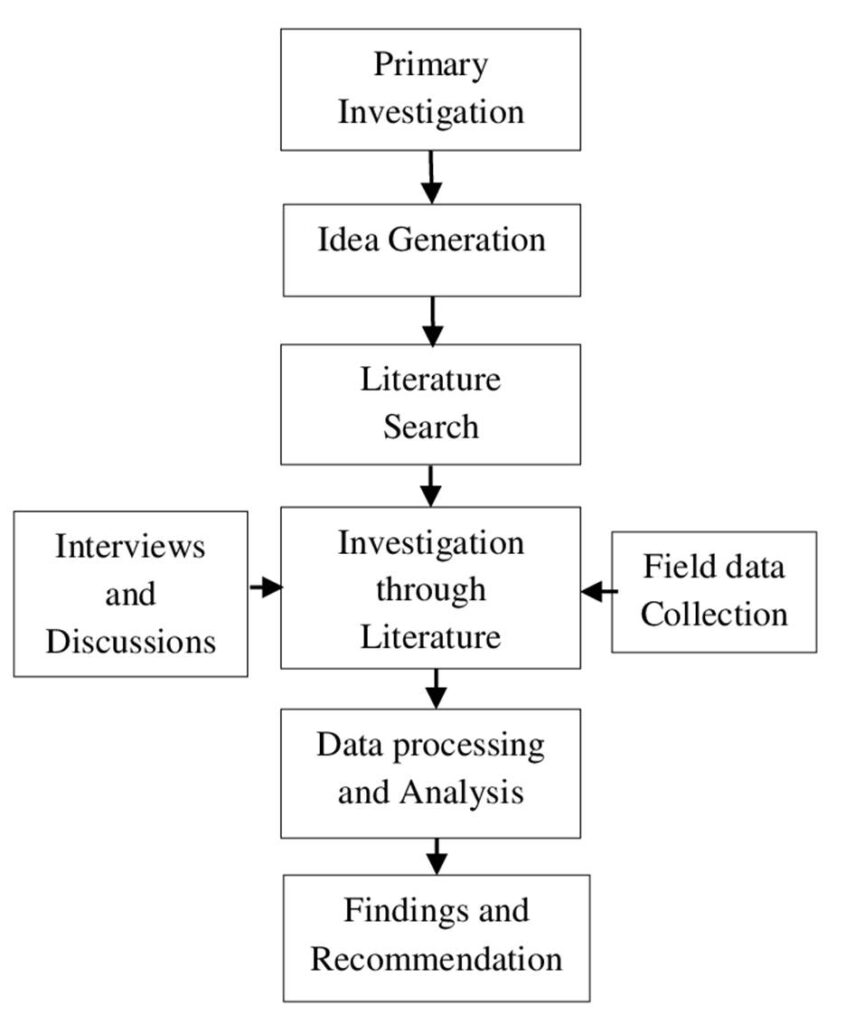
A dissertation action plan represents a kind of step-by-step process of explaining what you must do in the course of research. Begin with topic definition and research question. Proceed with a description of the literature review, including major theories and past studies.
Then, determine your mode of study, like interviews or surveys or case studies. Find time to collect data and have plans on how you are going to analyse the results. Divide your writing into manageable parts, for example, introduction, method, results, and conclusion.
Have concrete deadlines on each phase and provision of time to revise and for your advisor to review. Last of all, plan the time to do proofreading and final draft preparations to submit. Here is an example, which is mentioned below, that describes the complete action plan template procedure.
What are a Dissertation Plan Example?
Here are some dissertation plan examples mentioned below.
- Introduction: Describe how technology is changing education.
- Literature Review: Locate literature concerning the previous research on educational use of technology and its impact on learning outcomes.
- Methodology: Implement mixed-methods research, where surveys and interviews are conducted to collect data using teachers and students as survey and interview respondents.
- Data gathering: survey 100 students and 10 educators.
- Analysis: Quantify data to draw connections related to the effects of technology use and student engagement.
- Conclusion: Summarise findings and propose future research concerning the topic.
- Schedule: The literature review will be ready in 3 weeks, the collection of the data will be carried out in 4 weeks, and the final revisions will be made in 2 weeks.
Final Words
In summary, it has been revealed that proper organisation of the dissertation plan is essential to successfully deal with the difficulties of research and writing. Writing your detailed plan enables you to develop activities that can be executed step by step. The tips offered will help you in orienting yourself towards your research.
An effective plan follows your core research question without being so restrictive that you can only make changes when necessary. The main elements are discipline and commitment. With a good plan in place, you can go through all phases of your humanities dissertation to end up with a thought-provoking piece of quality work. Be persistent in your goals, and you will increase your success rate.