Understanding Logistics Services: How They Work and Why They Matter for Businesses
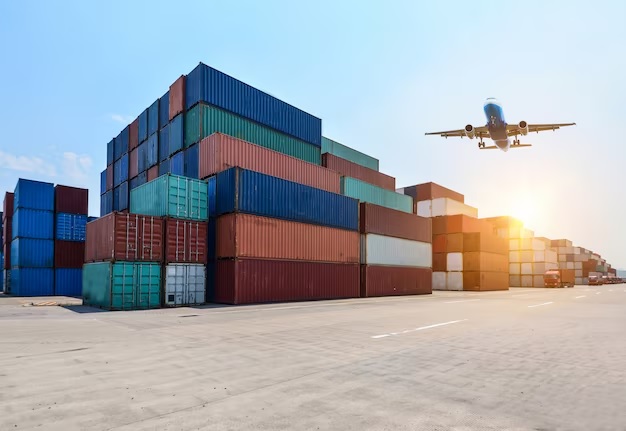
Logistics services play a crucial role in modern commerce, ensuring that goods move efficiently from manufacturers to consumers. Whether it’s raw materials, retail products or e-commerce deliveries, logistics services streamline transportation, storage and distribution. As businesses expand globally, effective logistics operations become even more critical for maintaining supply chain efficiency and customer satisfaction.
For companies looking to scale, understanding logistics services is essential. From warehousing to last-mile delivery, each stage of the logistics chain affects operational costs, delivery speed and overall business success.
What Are Logistics Services?
Logistics services encompass a broad range of activities related to the movement and storage of goods. These services ensure that products reach their destination safely, on time and in the most cost-effective way. Logistics providers specialise in various areas, including freight forwarding, warehousing, inventory management and last-mile delivery.
The logistics process generally includes:
- Transportation: Moving goods via air, sea, rail or road.
- Warehousing: Storing inventory before distribution.
- Inventory Management: Tracking stock levels to prevent shortages or overstocking.
- Order Fulfilment: Picking, packing, and shipping goods to customers.
- Last-Mile Delivery: The final step in the delivery process, ensuring products reach the end customer.
How Logistics Services Impact Businesses
For businesses, logistics services are more than just transportation. They directly affect customer satisfaction, operational efficiency and profitability. A well-structured logistics strategy helps businesses reduce costs, improve delivery times, and enhance their reputation.
Reliable logistics services enable businesses to:
- Ensure timely deliveries, reducing customer complaints and increasing satisfaction.
- Optimise inventory management, preventing overstocking or shortages.
- Reduce operational costs through efficient transportation and storage.
- Expand market reach by offering international and cross-border shipping.
Types of Logistics Services
Freight Logistics
Freight logistics involves the transportation of goods in bulk, either domestically or internationally. This can include air freight for fast deliveries, sea freight for cost-effective shipping, or road and rail freight for regional transport.
Third-Party Logistics (3PL)
3PL providers manage logistics operations on behalf of businesses, handling everything from warehousing to shipping. Many e-commerce businesses rely on 3PL services to streamline their supply chain without maintaining their own logistics infrastructure.
Warehousing and Distribution
Warehousing services provide businesses with storage solutions before products are distributed. Many logistics companies offer temperature-controlled storage, automated inventory tracking, and order fulfilment services.
Last-Mile Delivery
This service focuses on delivering goods to the end customer, often the most challenging and expensive part of logistics. With growing demand for same-day and next-day deliveries, businesses need reliable last-mile delivery partners to remain competitive.
The Role of Technology in Logistics Services
Technology has transformed logistics services, making them more efficient and cost-effective. Innovations such as real-time tracking, AI-driven route optimisation and automated warehouses have revolutionised the industry.
GPS Tracking and Fleet Management
Real-time GPS tracking helps businesses monitor shipments and improve delivery accuracy. Fleet management systems optimise routes, reducing fuel costs and improving efficiency.
AI and Machine Learning
AI-powered logistics solutions predict demand, optimise warehouse storage and improve delivery schedules. This reduces waste and enhances overall supply chain efficiency.
Blockchain for Supply Chain Transparency
Blockchain technology enhances transparency in logistics by providing secure and tamper-proof records of shipments. This is particularly useful for tracking high-value or perishable goods.

Why Businesses Need Reliable Logistics Services
Choosing the right logistics partner is critical for business success. A dependable logistics provider ensures fast and efficient deliveries, helps manage costs, and improves overall supply chain efficiency. Businesses that invest in strong logistics services gain a competitive edge in today’s fast-paced market.
As global trade and e-commerce continue to grow, logistics services will play an even more vital role in ensuring smooth and efficient product movement. Businesses that prioritise logistics will be better positioned to meet customer expectations and expand their market presence.