The Role Of Veterinary Clinics In Managing Allergies And Skin Conditions
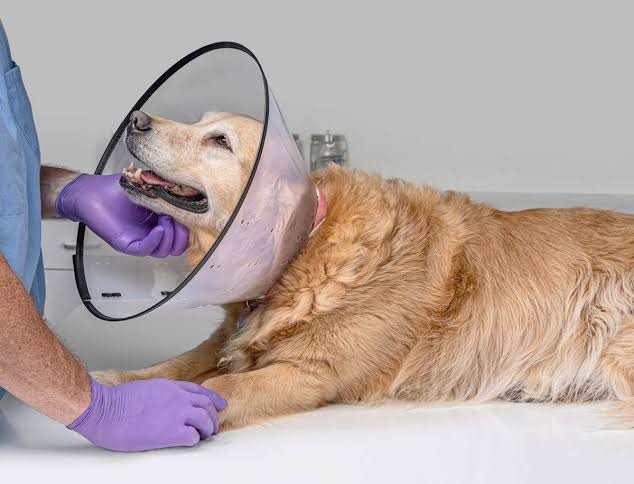
It often starts small. Your dog will not stop scratching, your cat keeps licking one spot raw, or you notice red skin, scabs, flakes, and that sour skin smell that tells you something is off. You clean the bedding, switch the food, buy a shampoo, and hope it settles down. Then it keeps going. Sleep gets broken, your pet gets miserable, and you are left wondering whether this is a simple irritation or something that will keep coming back. A veterinarian in Houston, TX can help determine the cause and recommend the right treatment.
That is where a veterinary clinic matters. Allergies and skin disease in pets rarely have one clean cause, and guessing can drag the problem out for weeks or months. A clinic helps sort out what is driving the itching, whether that is fleas, food, environmental triggers, infection, parasites, or an immune system problem. Good care is not just about stopping the scratching for a few days. It is about finding the pattern, treating the skin that is already damaged, and building a plan that your pet can actually live with.
Veterinary clinics identify the cause behind pet allergies and skin problems
Skin issues look similar on the surface, which is why they get misread so often at home. Redness, hair loss, chewing at paws, ear infections, hot spots and constant licking can all point to allergies, but they can also show up with mites, ringworm, yeast overgrowth, bacterial infection, hormone problems, or pain. If the wrong issue gets treated, the skin may calm down briefly and then flare again.
A veterinary clinic starts by narrowing the list. Your vet will look at when the problem began, where it shows up on the body, what your pet eats, whether flea control is consistent, and whether ear disease or recurring infections are part of the picture. That history matters because allergic skin disease often follows patterns. Some pets flare seasonally. Others itch all year. Some start with the paws and ears. Others develop belly rashes or face rubbing.
One common cause is atopic dermatitis, an allergic skin condition tied to environmental triggers such as pollen, dust mites or mold. Cornell’s overview of atopic dermatitis in dogs explains how this condition can lead to chronic itching, skin damage, and secondary infection when left unmanaged. That cycle is what many owners are seeing without realizing it. The itch leads to licking and scratching. The skin barrier breaks down. Yeast and bacteria move in. Then the infection makes the itch even worse.
This is why pet allergy treatment is rarely one product off the shelf. The skin may need medication, parasite control, diet trials, ear care, and follow up visits to see what is changing and what is not. In stubborn or severe cases, a clinic may recommend a specialist. Cornell’s veterinary dermatology service shows how deeper testing and specialty care can help with cases that do not respond to basic treatment.
Delaying treatment often makes skin conditions harder and more expensive to manage
Many owners wait because the symptoms come and go. That makes sense. If the scratching eases for a week, it is easy to think the problem passed. Skin disease has a way of returning at the worst time, often after the underlying cause has had more time to take hold.
A dog with untreated allergies may end up with repeated ear infections, thickened skin, dark patches, open sores and behavior changes from constant discomfort. A cat that keeps overgrooming can develop bald areas and skin trauma that looks dramatic before the root issue is even clear. You may also spend more over time on shampoos, food switches and trial products that were never likely to solve the real problem.
Veterinary care for pet skin conditions helps avoid that cycle. Clinics do more than prescribe medication. They track response, adjust treatment and watch for clues that point to a different diagnosis. That matters because chronic skin disease is often management, not a one time fix. When owners know that upfront, the process feels less frustrating and more realistic.
Home care and a veterinary clinic play different roles in skin condition management
| Approach | What It Can Help With | Limits and Risks |
|---|---|---|
| Home bathing with pet safe shampoo | Removes allergens from coat, soothes mild irritation, supports skin barrier | Wrong product can dry or irritate skin, will not diagnose infection or allergy source |
| Food change without guidance | May help if food allergy is involved | Can confuse diagnosis, many over the counter diets are not true elimination diets |
| Strict flea prevention | Reduces one of the most common itch triggers | Does not address environmental allergies, infection, or other skin disease |
| Veterinary clinic exam and testing | Identifies likely causes, checks for infection, parasites, ear disease, and chronic patterns | Requires follow up and may involve trial and error before the best plan is clear |
| Specialist dermatology care | Helps with severe, recurring, or unclear cases | Often used after first line treatment has not solved the problem |
The strongest results usually come from combining both. Home care supports the skin day to day. A veterinary clinic provides the diagnosis and treatment plan that keeps you from guessing. That split matters because comfort and cure are not always the same thing. A pet can look a little better while the disease process keeps going underneath.
Clear steps help you respond faster when your pet has skin allergies
1. Track the pattern. Write down when the itching started, where it happens, what your pet eats, and whether symptoms rise with weather, grass exposure or missed flea prevention. Photos help. A short timeline gives your vet better clues than memory alone.
2. Stop experimenting with too many products at once. If you change the food, shampoo, treats, and supplements all in the same week, it becomes hard to tell what helped and what made things worse. Keep the routine simple until your pet is evaluated.
3. Book a veterinary visit before the skin breaks down further. Early treatment can prevent secondary infection, ear disease, and chronic thickened skin. If your pet is chewing paws, losing hair, shaking the head or waking up to scratch at night, that is enough reason to be seen.
Consistent veterinary support gives pets with skin disease a better quality of life
Skin allergies and chronic itching can wear down both pets and owners. The good news is that many cases improve once the cause is narrowed down and the plan is steady. Relief often comes from several small decisions done well, not one perfect product.
If your pet is scratching, licking, or dealing with recurring ear or skin problems, schedule an appointment with a veterinary clinic. The sooner you get clear answers, the sooner your pet can rest, heal and feel like themselves again.