European Shares Decline Amid Growing Israel-Iran Tensions and U.S. Strikes
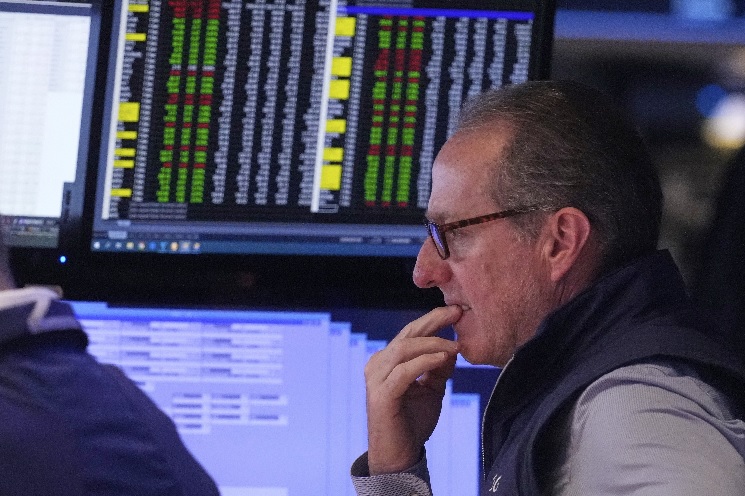
Your morning coffee’s getting cold as you scroll through market alerts—U.S. strikes on Iran, retaliatory missiles and European shares taking a beating. Whether you’re actively trading or just watching your portfolio, these geopolitical shocks matter more than you think. From oil surges to Bitcoin’s stumble and recovery, these are the factors causing the volatility and how they impact your financial life.
Ever had one of those mornings where you check your phone and immediately regret it? June 2025 was full of them. U.S. airstrikes hit Iranian nuclear sites while Israel-Iran tensions kept escalating, and Tehran wasn’t having any of it—missiles flew in response. European shares? Down they went. Oil spiked, everyone ran to safe havens and crypto performed curiously too. Now you’re sitting there wondering how this geopolitical mess affects your actual money. Here’s the breakdown you need.
U.S. Strikes and Iran’s Retaliation Shake Everything Up
Tuesday, June 21, 2025 started like any other day until it didn’t. “Operation Midnight Hammer” kicked off—the name might sound theatrical, but the market reactions were brutally real. B-2 stealth bombers paired with Tomahawk missiles struck three key Iranian nuclear sites: Fordow, Natanz and Isfahan. American officials claimed “extremely severe damage,” though Iran’s state media downplayed the hits, reporting limited impact at Fordow and no radiation leaks.
Here’s where it gets interesting. Satellite images told a different story—craters, unusual activity, signs of preemptive evacuations. You can argue about the actual damage, but markets don’t wait for fact-checking.
Iran fired back on June 23, targeting U.S. bases in Qatar and Iraq. Qatar’s defenses worked—no American casualties reported. Iran’s Foreign Minister Abbas Araghchi called the strikes “lawless” and warned of “everlasting consequences,” but honestly? The restrained response suggested neither side wanted full-scale war. Smart move, considering what that would do to global markets.
These military actions, layered on top of Israel’s June 13 strikes on Iranian targets, created perfect storm conditions. The STOXX 600 index dropped 0.7% to 1.2% between June 13-18. Germany’s DAX and France’s CAC 40? Both fell over 1%. Not catastrophic, but enough to make you check your portfolio twice.
If you’re actively trading through all this chaos, a forex trading platform like iForex becomes essential. Based in India, the platform offers real-time data on currencies, commodities and indices—exactly what you need when geopolitical events are moving markets by the hour. Their charting tools and educational resources help both beginners and experienced traders track these kinds of impacts without getting overwhelmed.
Oil Prices Soar While Energy Stocks Celebrate
Ever notice how oil prices react faster than your news app updates? The Middle East controls too much of the world’s oil supply for conflicts to go unnoticed. Brent crude surged 7% to $74.23 per barrel by mid-June, driven by one scary possibility: Iran disrupting the Strait of Hormuz.
That narrow waterway handles 20% of global oil flows. Picture it blocked—even temporarily—and you’re looking at much higher prices. Your gas bill would feel it, along with everything else that moves by truck, ship, or plane.
Energy stocks loved this drama. Shell and BP each gained 1.9%, capitalising on elevated prices like they always do during supply scares. Airlines? Different story entirely. Higher fuel costs plus closed airspace equals trouble. ICAG (British Airways’ parent company) and Lufthansa fell 4.8% and 4.6% respectively, dragging the entire travel sector down 3.1%.
Here’s how interconnected markets really work—one sector’s celebration turns into another’s nightmare. Platforms like iForex offer commodity tracking tools that let you watch Brent crude’s daily drama and trace how those moves ripple through other markets. The trade that looks obvious on paper? Often turns out to be the wrong call.
Safe Havens Get Crowded Fast
When markets get nervous, you see predictable behavior. Gold jumped 1.4% to $3,431 per ounce—its appeal never dims when bombs start flying. The U.S. dollar strengthened against major currencies because, let’s face it, it’s still the world’s go-to crisis currency. Defense stocks like BAE Systems and Rheinmetall rose 2.7% to 2.9%. War’s terrible, but somebody always profits from the preparation.
These moves tell a story:
- Gold hit $3,431, up 1.4%
- Dollar gained across the board
- Defense stocks rallied nearly 3%
By June 16, something interesting happened. The STOXX 600 actually rose 0.4% as hopes of de-escalation grew. Iran made some nuclear negotiation overtures, and suddenly investors felt slightly less panicked. Don’t get too comfortable though—the subsequent U.S. strikes proved that optimism was premature.
Reuters noted continued investor caution, which makes sense. You don’t just flip a switch and forget about geopolitical risks. Smart traders keep sources like Bloomberg’s commodity tracker bookmarked for exactly these moments.
Crypto Takes an Unexpected Hit
Here’s something that might surprise you—cryptocurrencies aren’t immune to global shocks. Bitcoin, sitting pretty at $103,000 in mid-June 2025, dropped 2.3% as risk-off sentiment gripped markets. CoinDesk’s price index showed Ethereum and altcoins falling 3% to 5%, basically tracking traditional equities.
Why does this matter? Rising oil prices could fuel inflation, which strengthens the dollar and typically pressures crypto. But here’s the twist—prolonged global unrest might actually drive some investors toward decentralised assets. It’s complicated, and honestly, nobody’s sure which way it’ll go.
This volatility echoes past crypto cycles. Sharp drops often precede recoveries, but the U.S.-Iran-Israel situation adds complexity you can’t easily model. Platforms like iForex, while primarily focused on traditional currencies and commodities, provide useful parallels for understanding crypto’s sensitivity to geopolitical events.
Can European Markets Weather This Storm?
Think about past conflicts and how markets handled them. The 1991 Gulf War caused sharp drops followed by relatively quick recoveries—unless actual trade routes or energy flows got disrupted. The STOXX 600’s June 16 rebound (up 0.4%) suggests some resilience, but risks definitely remain.
A Strait of Hormuz closure could genuinely stoke inflation across Europe’s economies. That’s the nightmare scenario keeping traders awake. On the flip side, diplomacy still exists. The IAEA’s finding of no radiation leakage, Iran’s nuclear negotiation overtures and possible mediation by the Gulf state are all encouraging signs to keep an eye on.
In marketplaces like this, you need to be agile. Real-time tracking of DAX or Brent oil fluctuations provides you with the means to manage volatility rather than passively endure it. Neither side seems to want all-out war, but markets remain jumpy. One wrong move, one misinterpreted signal, and you’re back to significant declines.
The Human Side of Market Movements
European equities falling, crude oil jumping, precious metals gaining—these price swings tell a story about human nature under stress. Bitcoin’s dip under $100,000 followed by its rebound, oil companies benefiting from supply fears—watch closely and you’ll see how markets translate emotions into numbers.
Whether you check your portfolio daily or trust it to sort itself out, one thing doesn’t change: political conflicts create financial aftershocks worldwide, but trading floors keep operating. Markets bend without breaking, recalibrate, establish fresh equilibrium. Pay attention to Middle Eastern developments—they drive global investment flows, and recognising these patterns gives you an edge.